

Inside the Marijuana Trade Luanda—Market Truths & Turf Wars
If you’ve ever wondered what the marijuana trade Luanda scene is really like, now is the perfect time to get informed. Surging headlines, turf wars, and shifting laws have thrown this market into the spotlight—especially as awareness grows across Africa and globally about cannabis reform. On the streets of Luanda, Angola’s capital, the day-to-day hustle reveals a complex dance between tradition, community economics, and gritty, sometimes tense, interactions. In this deep dive, I’ll break down what’s shaping the marijuana trade in Luanda, the challenges locals face, and what it all means for the future of cannabis in Africa.
Historic Backdrop & Luanda’s Unique Marijuana Economy
The marijuana trade in Luanda exists at the collision of old-school customs and new dynamics. For decades, cannabis—known locally as “diamba”—has woven its way into informal economies, despite marijuana remaining illegal under Angolan law (EMCDDA country analysis). With poverty rates high and youth unemployment rising (World Bank), many turn to the street markets for survival. Vendors often double as unlicensed middlemen, skirting regulations and risking harsh penalties. In some cases, those caught trying to transport cannabis through airports face legal complications—as was recently highlighted by an incident where a traveler was detained and authorities were prompted to raise alarms over suspicious baggage (traveler detained as cannabis baggage raises alarms). Yet, demand never fades, especially in Luanda’s sprawling, vibrant districts, where a few grams can mean food for the week. Law enforcement crackdowns ebb and flow, and public debates over decriminalization and social justice gain traction, echoing wider continental movements (Mail & Guardian). Ultimately, the marijuana trade in Luanda is shaped as much by necessity and resourcefulness as by the evolving legal landscape.
Recent Highlights: Turf Wars, Community Actors, and Everyday Risks
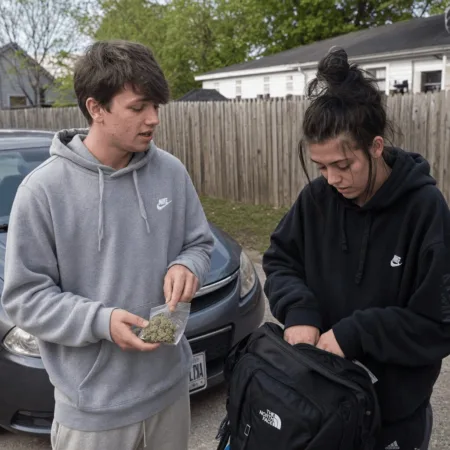
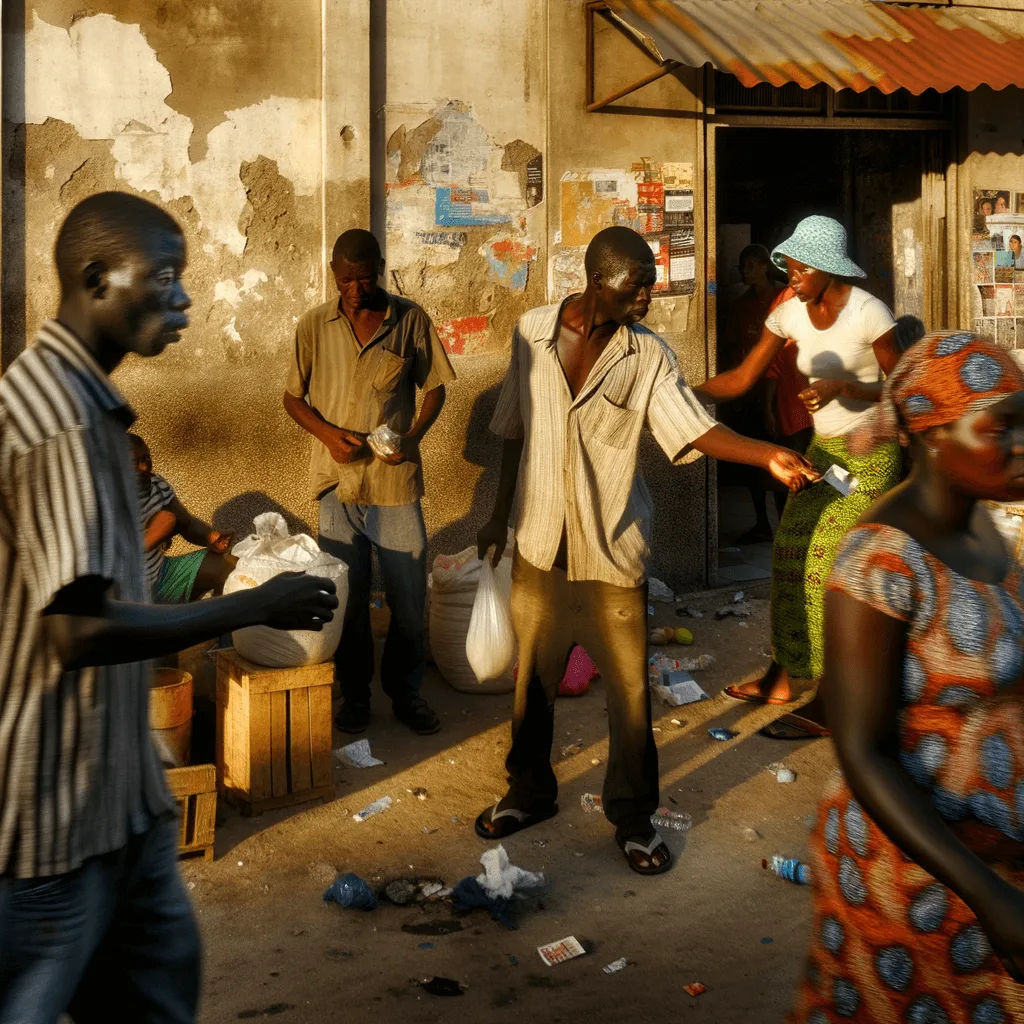
According to a recent investigative piece featured on TNX Africa, the marijuana trade in Luanda has entered a new phase. In markets like Ganja Land, hidden amongst sleepy concrete lanes, cannabis trade and gang activity now define daily rhythms (TNX Africa original report). Vendors in their 30s—mostly local men—navigate not just economic hardship but the lurking dangers of turf disputes. Street stalls offer everything from produce to contraband, while low-profile hand-offs between buyers and sellers often hide in plain sight.
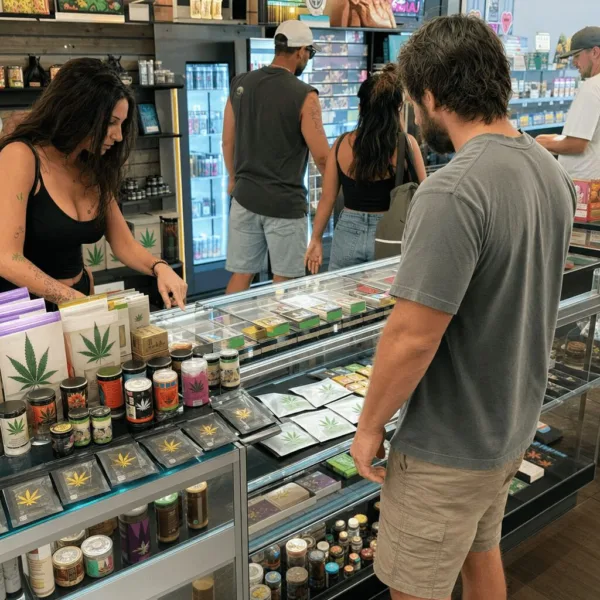
According to sources on the ground, gang presence has grown since early 2023. Some groups, loosely organized, exert “tax,” charging vendors a fee for protection or silence, sometimes igniting neighborhood feuds. This has heightened street-level anxiety, especially for women traders who report increased harassment and pressure to cooperate. One vendor described it as “selling peace as much as product.” Despite heightened crackdowns by Luanda’s law enforcement—random checks, property seizures, and arrests—community demand keeps trade robust. Recent regulatory changes in packaging and compliance, as seen in global markets, also add complexity for local participants trying to adapt to shifting requirements (how cannabis packaging regulations are shaking up the industry). While the supply chain remains firmly underground, buyers and sellers innovate: weighted packages, coded gestures, and peer referrals help keep the marijuana trade in Luanda both dynamic and elusive.
Expert Insights: Challenges and the Road Ahead for Cannabis in Angola
Zooming out, the marijuana trade in Luanda mirrors classic cannabis market evolution seen in other countries, but with added layers of local struggle. The competition between formal law and informal livelihoods often keeps both citizens and authorities on edge. As Forbes recently noted, “Africa sits at the crossroads of tradition and opportunity, with Angola standing as one of the region’s most challenging yet promising frontiers.” Many experts, like cannabis policy analyst José Garcia, argue: “Decriminalization isn’t just about following global trends—it’s about empowering communities to participate legally and safely.” (Mail & Guardian)
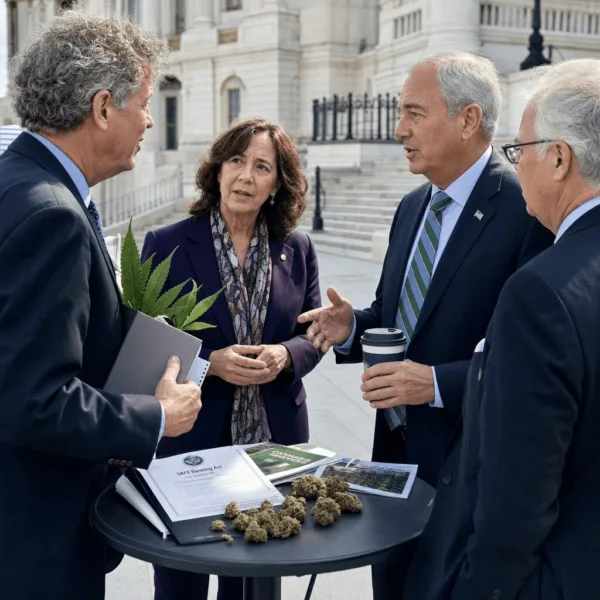
There’s no ignoring the serious risks in Luanda right now. Turf wars, opportunistic enforcement, and the shadow of criminal elements put tremendous strain on the healthy growth of the marijuana trade Luanda. When examining legal progress in other regions, it’s evident that moves towards expungement and social equity—like those recently debated in the United States—can impact both policy and public perception (legislative actions that threaten local progress). Yet, advocates highlight models from places like Lesotho or South Africa, where regulation and licensing have begun to offer safer, more transparent alternatives (Reuters report on Lesotho cannabis industry). The sentiment on the ground is hopeful but cautious, with many believing fair regulation could convert today’s daily hustlers into tomorrow’s legitimate entrepreneurs.
Looking Forward: Can Luanda Ride the Cannabis Normalization Wave?
Despite today’s uncertainty, the marijuana trade Luanda appears headed toward evolution, not extinction. From expanding social debates to regional legalization experiments, Angola’s cannabis push finds itself at a tipping point. According to industry updates from Business Insider, even formerly hardline markets are seeing cracks in old anti-cannabis attitudes. For many street-level vendors and consumers in Luanda, the hope is for less risk, more opportunity, and real legal progress. Stay tuned—the rhythm of the marijuana trade Luanda reflects both Africa’s challenges and its unstoppable drive for transformation. Roll with it, keep learning, and respect the struggle on the ground—it’s history in the making.
Originally reported by: tnx.africa