Marijuana Trafficking Arrest: MCSO Busts Suspect, Cash Seized
Alright, cannabis community: the buzz around this marijuana trafficking arrest is real, and it’s sparking conversations far beyond just our corner of the industry. For anyone passionate about the evolving journey of marijuana—legally, socially, and economically—stories like this mix worry with opportunity. As the market leaps from special interest to the mainstream, every marijuana trafficking arrest signals both the progress and lingering conflicts of the evolving cannabis scene. Here, we’ll break down what happened, why it matters, and what it means for legalization’s future, enforcement trends, and perceptions shaping our culture right now.
The Way Here: Regulatory Contradictions & Social Shifts Shaping Marijuana Trafficking Arrests
The United States is juggling cannabis reforms, patchwork state laws, and persistent federal restrictions, which have created a muddy landscape for both users and regulators. In states like Colorado and California, adults can legally purchase cannabis from licensed dispensaries, while others still prosecute non-medical use harshly (NORML). This patchwork approach has produced local enforcement situations similar to recent headlines, such as the surprise closure of several high-profile dispensaries under changing regulations in New York—a reminder that legal markets are still vulnerable to policy swings and unexpected shutdowns (read more here). Despite legalization in nearly half of all states and territories, trafficking across state lines or operating outside regulated markets is a legal hot potato, one that law enforcement is always ready to grab. According to the Brookings Institution, state-level reforms keep colliding with ongoing federal restrictions, putting folks on both sides of the law in limbo. Add in the increasing medical acceptance and mainstream de-stigmatization, and it’s clear: the stakes of every marijuana trafficking arrest are bigger than one headline. They’re battlefields in a larger legal and cultural war over what cannabis means for American life.
Major Bust: MCSO’s Marijuana Trafficking Arrest & What Went Down
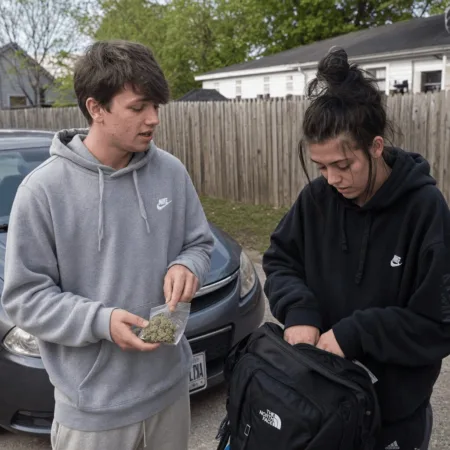
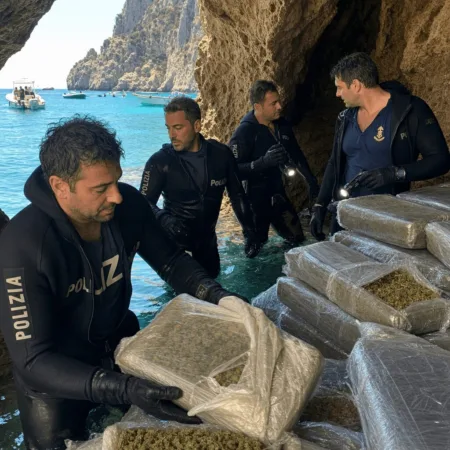
According to a recent report by WTVM News, the Muscogee County Sheriff’s Office (MCSO) carried out a significant marijuana trafficking arrest outside a Columbus, Georgia, home in September 2025. Following a coordinated operation, deputies apprehended a middle-aged suspect, described as tense and stunned, while seizing over $100,000 in cash and multiple bags of marijuana. Officers in full tactical gear worked through dusk, as neighbors looked on in shock and documented the scene with their phones. In some ways, the situation echoed recent controversies in other counties—where targeted enforcement actions on illegal cannabis have left communities divided on both methods and outcomes, as seen in the highly publicized raids on Rockland weed shops and dispensaries (more on Rockland’s crackdown). The MCSO’s official statement noted the operation as a blow against illicit cannabis trade, emphasizing the risks that unregulated trafficking still poses. The suspect, whose name has not been publicly released pending ongoing legal proceedings, faces significant felony marijuana trafficking charges under Georgia’s tough state laws (Georgia Association of Chiefs of Police). As news helicopters roared and camera flashes punctuated the scene, the bust underscored just how disruptive these confrontations can be to communities, especially where the law, public opinion, and market realities clash head-on.
Industry Insights: What This Marijuana Trafficking Arrest Means for Cannabis
This high-profile marijuana trafficking arrest is a clear window into America’s regulatory growing pains. There’s the obvious drama for local markets, but what’s more telling is the tension it highlights between enforcement and real reform. Across the industry, experts agree: “These arrests aren’t just about the weed—they show whose story is being told,” says Amanda Reiman, a policy leader and researcher quoted in Leafly. Most folks caught in these busts aren’t masterminds—they’re often regular people caught between outdated laws and the booming legal market next door. A case that drew similar debates about the intersection of enforcement and shifting drug policy was the exposure and fallout from a meth trafficking arrest in Washington County—which sparked heated community debate and calls for legislative change (see related policy debate). With more states reviewing prohibition policies, each high-stakes marijuana trafficking arrest amplifies calls for consistent regulations, better pathways to licensing, and renewed public conversations. In short, each bust reveals just how far we’ve come, and how far we’ve still got to travel on the road to mainstream cannabis acceptance and responsible regulation.
Looking Forward: Reform, Responsibility, and a Smarter Path Ahead
This marijuana trafficking arrest isn’t just another headline for the anti-cannabis crowd—it’s a wake-up call for thoughtful progress. The ripple effects are clear: states and local governments need to catch up with market realities, not just chase outdated enforcement goals. As shown in a recent Benzinga report, legal cannabis sales hit all-time highs in 2024—proof that the future is responsible, regulated, and rooted in community well-being. Responsible reform, not random prosecution, should guide the industry forward. In the meantime, every marijuana trafficking arrest remains a reminder: true progress will be measured by fairness, transparency, and the courage to adapt as society—and science—move forward.
Originally reported by: wtvm.com