If you’ve ever worried about getting nicked for a little weed, you’re not alone. Today, efforts to reduce marijuana possession fine spark debates nationwide. Social attitudes are shifting, lawmakers are coming around, and fines? Those may be on the way down. In this article, I’ll break down why the push to reduce marijuana possession fines is blowing up right now, what’s going on in city council chambers, and why these changes could mean a friendlier future for cannabis lovers from all walks of life.
The Shifting Landscape: Background, Laws, and Social Momentum
For years, cannabis has lived in a legal gray zone. While state-level reforms have made headlines, local governments often set their own penalties. Across America, fines for simple marijuana possession range from a slap on the wrist to a wallet-busting ticket, especially where legalization hasn’t fully blossomed. This patchwork of rules leaves consumers facing uncertainty, even as polls show U.S. public support for cannabis is at a record high (Pew Research Center), and as communities adapt to moments of high-profile enforcement such as when drivers face dramatic marijuana seizures during traffic stops.
Why do fines matter? Excessive penalties for minor possession hurt communities, fuel inequities, and do little to actually curb use, as experts at the Drug Policy Alliance explain. As more cities wrestle with overdue change, proposals to reduce marijuana possession fines offer relief, and a shot at justice reform, for thousands.
Key Developments: The Proposal and What’s at Stake
Here’s where the action is. On September 10th, 2025, a proposal to dramatically reduce marijuana possession fines moved out of committee and closer to law, according to WIZM News. The plan, supported by an energetic coalition of citizens and city leaders, comes as fines in this community could soon fall from $100 down to just $25 for simple possession.
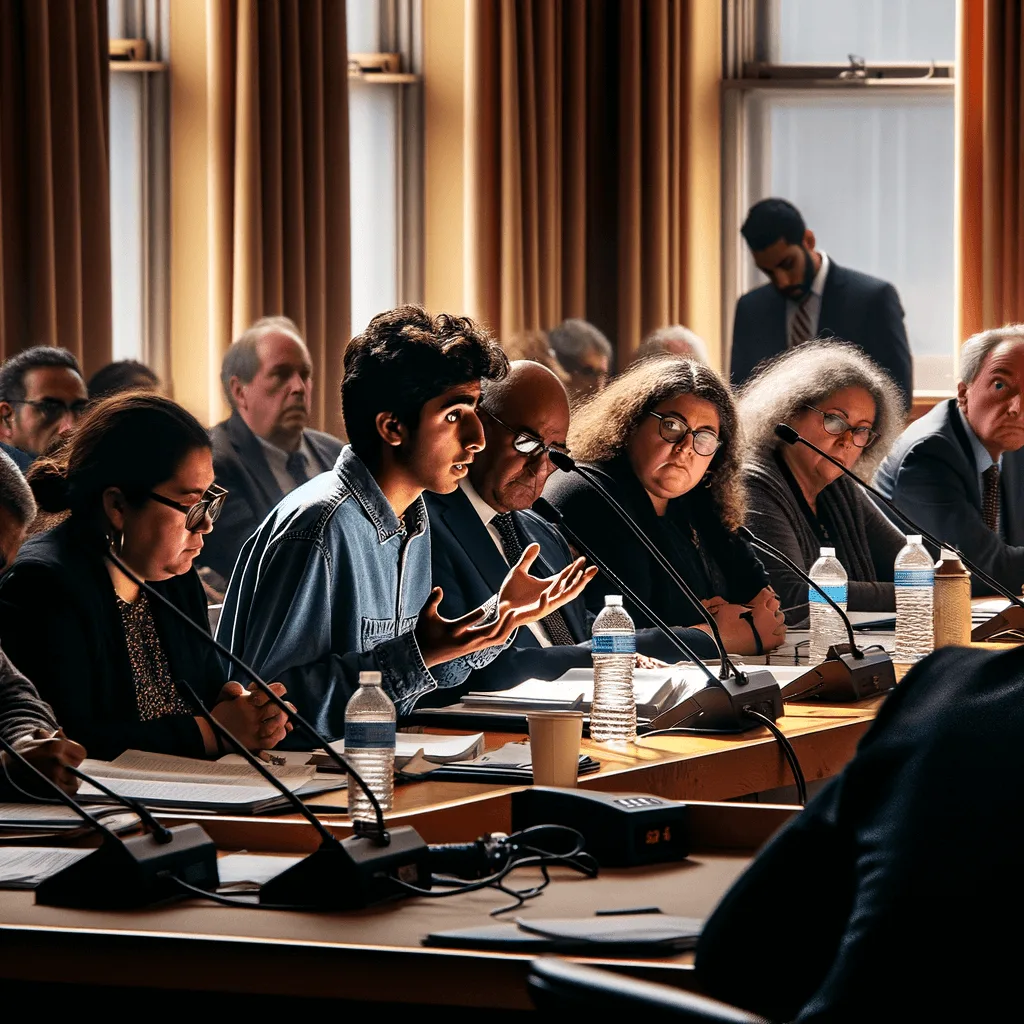
Council members and advocates crowd recent meetings, some in suits and others in T-shirts, reflecting the evolving face of cannabis activism. Several speakers argued that lowering the fine would free up valuable law enforcement time while lessening the impact on ordinary people, especially students and young adults. Legal counsel emphasized that this move keeps the law in line with state trends, noting how neighboring cities have already reduced their penalties, and referencing recent legal disputes over cannabis licensing in small towns as influential moments in shaping local policy.
The committee’s narrow vote signals momentum, and the full city council is expected to weigh in next, potentially enacting a policy to officially reduce marijuana possession fine by the end of the month. Media outlets, including Leafly’s political news desk, are watching closely as ripple effects spread throughout the Midwest.
Expert Analysis: Why This Matters, and What’s Next
So why is reducing a marijuana possession fine such a big deal? For starters, even a $100 ticket can be a major burden, especially for young, low-income, or marginalized consumers. When these fines pile up, they can snowball into bigger issues like debt or unnecessary criminal records. By moving to reduce marijuana possession fine, lawmakers are finally listening to voices that have called for pragmatic, compassionate policies.
As cannabis industry trends show, cities adopting fairer penalty structures tend to see improved police-community relations and lowered incarceration rates. “These changes aren’t about making cannabis lawless,” says cannabis legal expert Shaleen Title, formerly of Massachusetts’ Cannabis Control Commission, via Marijuana Moment. “They’re about focusing resources where they matter and acknowledging reality, marijuana is already part of American life.” Research from Brookings Institution backs this up, linking disproportionate fines to worsening social divides, and showing that sensible policy changes really do move the needle. For families and parents, the ripple effects mean fewer fears about minor slip-ups, especially as so many now seek advice on how medication and marijuana lock boxes can protect households. On the ground, advocates say the real impact is personal: fewer students missing class, less fear over minor infractions, and more trust in the legal system. That’s the kind of progress even the most skeptical city council member will have to respect.
Outlook: Toward Fairness and a Brighter Cannabis Future
From coast to coast, the movement to reduce marijuana possession fine is gaining steam. Cities large and small are recognizing the social and fiscal cost of outdated weed penalties—and they’re starting to act. For consumers, a lower fine means less anxiety and more fairness. For communities, it means better use of resources, improved trust, and a step toward smarter cannabis law. Leafly and NORML both report that as more localities adopt reforms, momentum accelerates at the state and federal level.
Here’s what’s clear: no matter what you blaze or where you’re from, change is coming. With each step to reduce marijuana possession fine, we’re moving closer to a future where consumers are respected, communities are safer, and cannabis is finally seen for what it is—part of everyday life. Stay tuned, stay engaged, and let’s keep pushing for progress, one common-sense reform at a time.
Originally reported by: wizmnews.com