
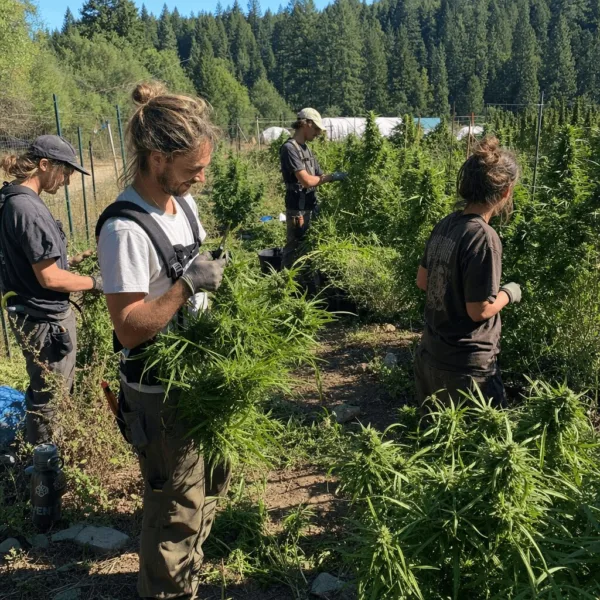



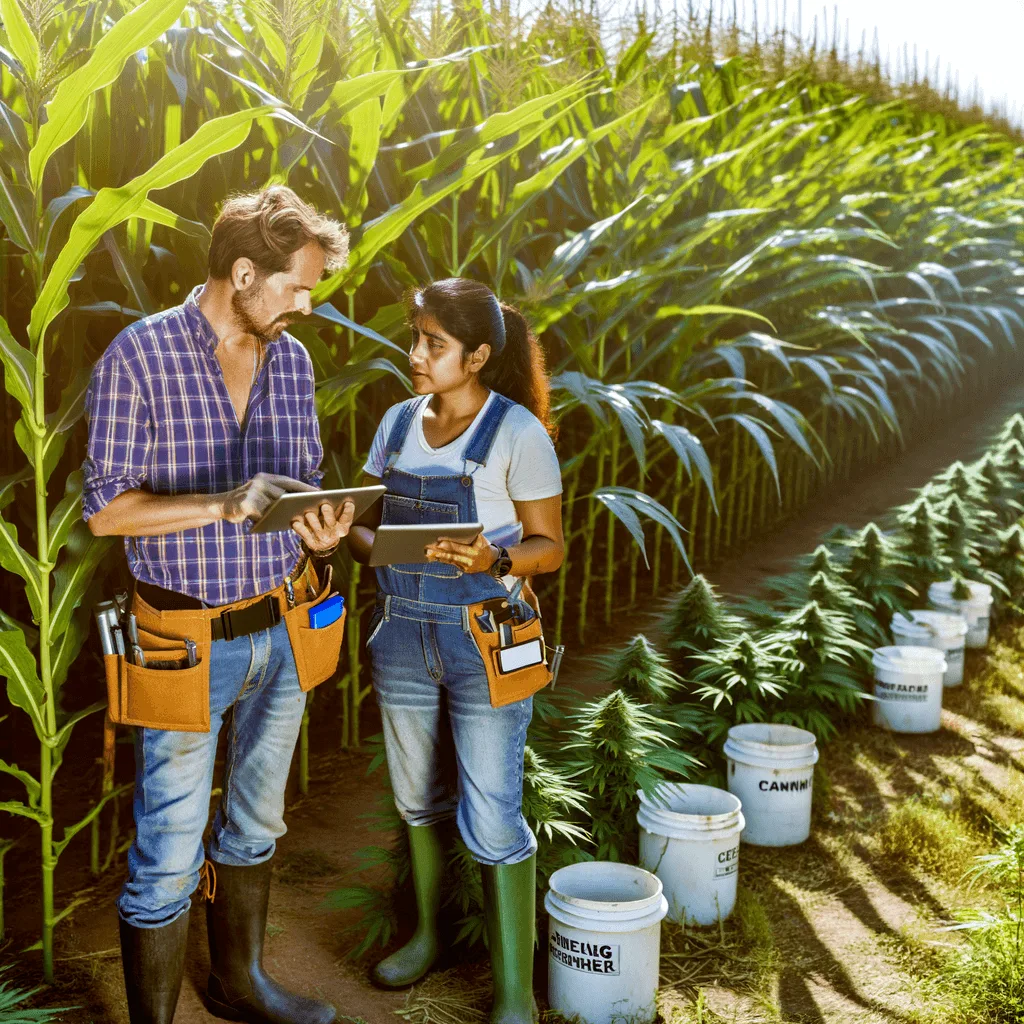
Corn Cannabis IPM Strategies: Boost Crop Yields Now
Right now, growers are under intense pressure to deliver rising yields in a fast-evolving market. Weather shocks, pest risks, and shifting regulations make it an all-out grower’s gauntlet out there—especially when cannabis steps up next to corn as an equal player in sustainable land management. That’s exactly why diving deep into corn cannabis IPM strategies is not just trendy; it’s genuinely essential for survival and success. In this guide, I’ll break down the real-world reasons integrated pest management (IPM) is dominating headlines, what’s pushing both cannabis and corn into a new era, and which strategies maximize yields while respecting the plant, the planet, and our laws.
Why Corn Cannabis IPM Strategies Matter: The Regulatory and Market Backdrop
The drive for robust corn cannabis IPM strategies comes from a mix of agricultural, legal, and social forces. On the regulatory side, U.S. states are escalating pesticide tracking and residue enforcement, with explicit cannabis IPM requirements emerging alongside established corn mandates (NPR on pesticide regulations). The 2018 Farm Bill legalized hemp federally (USDA official resource), and as legalization spreads, even THC-dominant crops face increasing scrutiny to meet both food-safety standards and cannabis-specific testing. Socially, public demand for cleaner, greener, transparently produced cannabis is skyrocketing, which mirrors the accountability already forced on conventional corn farmers and impacts northern California’s agricultural scene. For example, recent shifts in Sonoma County’s crop values due to the interplay between wine and cannabis further emphasize how these market pressures come into play. Meanwhile, market forecasts from sources like Statista predict billions in near-future cannabis revenue growth, but only if crops pass pest management muster. This puts IPM, using biological controls, precision analytics, and compliant input methods, center stage not just for regulatory compliance but market access and profit.
Recent Developments in Corn Cannabis IPM Strategies: What’s Shaping the Harvest
Here’s the ground truth straight from the field: Recent studies and digital farm reports highlight a surge in growers seeking actionable corn cannabis IPM strategies that blend tech and tradition. According to Farmonaut’s in-depth crop yield research, predictive pest modeling and real-time field scans are now routine for both corn and cannabis. In 2023, leading grow ops across Illinois, California, and Canada implemented drone-based pest scouting, revealing a 15% average reduction in crop loss for cannabis alone. Notably, Farmonaut details multi-crop IPM protocols, showing how multi-crop approaches and legal updates are shaping the industry, much like recent cannabis reforms in New Jersey and Virginia, which are driving green innovation and compliance strategies for 2024. Legal frameworks are also tightening up. Illinois regulators updated IPM best-practice requirements in December 2023, now demanding submission of specific pest monitoring logs and approved biocontrol agent usage for licensed cannabis cultivators (Illinois Cannabis Control Commission). At the same time, major ag-tech players and university extension services published new pest resistance alerts for western corn rootworm and helicopter-borne aphid swarms attacking both crops. Across social media, pro-grower networks like Hemp Benchmarks are reporting collaboration between corn farmers and cannabis cultivators, sharing actionable scouting and intervention data for integrated success. Bottom line: The forces shaping both crops have never been so closely aligned, or so essential for a successful harvest.
Expert Perspective: Why Corn Cannabis IPM Strategies Are a Game Changer
What do the authorities say? IPM is no gimmick, it’s genuinely a best-bet strategy. According to Cannabis Business Times, “IPM is not just about pesticide reduction. It’s about creating resilient ecosystems, your farm becomes smarter, not just safer,” says Dr. Rachel Knox, a public health advocate specializing in cannabinoid science. Indeed, by shifting to a proactive, data-driven approach, experts confirm that growers future-proof crops, dodge compliance traps, and maximize value from every acre. This approach is also seen in markets where recent medical cannabis sales surges, such as the booming Arkansas cannabis industry, show that sustainability and compliance go hand in hand. This is echoed by Agriculture.com’s coverage of IPM, which finds that “multi-crop IPM plans lower input costs by up to 25% and curb yield losses, all while improving consumer trust.” That’s not just good for the crop, it’s good business, and even better for the planet. Forward-thinking operators are already mixing cover cropping, beneficial insects, and advanced diagnostics to stay several steps ahead of evolving threats.
The Road Ahead: Growing Together With Corn Cannabis IPM Strategies
Here’s the big picture: The convergence of technology, tight regulations, and consumer demand have elevated corn cannabis IPM strategies from niche to non-negotiable. More states and countries are shifting from punitive enforcement to incentive-driven innovation, supporting growers who invest in sustainable IPM. As MJBizDaily points out, the cannabis sector’s commitment to science-backed, earth-friendly risk mitigation is setting fresh standards for agriculture as a whole. Expect more cross-industry partnerships as both corn and cannabis continue to anchor themselves in resilient, tech-supported, and ethically sound pest management. Bottom line: If you want to future-proof your operation—and feed both your wallet and the world—smart, integrated IPM isn’t just the best strategy. It’s the only one that truly grows with the times.
Originally reported by: farmonaut.com