



Marijuana Deal Deadly Shooting: Shocking Verdict Revealed
Right now, America’s cannabis landscape keeps making headlines—sometimes for the wrong reasons. The marijuana deal deadly shooting that just reached a shocking verdict puts a sharp spotlight on how black-market deals and lagging regulation still impact communities. As cannabis reform evolves, stories like this force us to reflect: are outdated laws fueling unnecessary danger, or are we just stuck in growing pains? Let’s unpack this tragic episode and its broader significance for anyone invested in a safer, smarter cannabis future.
Background: Cannabis Laws, Social Stigma, and Gray Markets
To fully understand why a marijuana deal deadly shooting can still happen in 2024, it’s key to look at the fractured state of legalization. Federally, cannabis remains illegal in the U.S., despite over half the states, including California, embracing some form of legal cannabis (see NORML for an updated map). Even in places with adult-use legalization like Los Angeles, a complex web of local restrictions, high taxes, and costly regulations has left an opening for underground, unlicensed sales (as noted by Leafly). Social stigma and conflicting regulations mean many operators, and buyers, still seek cheaper, quick handshake deals outside the law. This reality is similar to what we’ve seen in major marijuana trafficking arrests that have shocked communities and exposed ongoing gray market activities. This leaves both parties exposed to risks that regulated markets are supposed to prevent. Unfortunately, the marijuana deal deadly shooting in question reveals how unresolved legal tensions between prohibition and regulated commerce can have life-or-death consequences.
Key Developments: Timeline, Parties Involved, and Legal Outcome
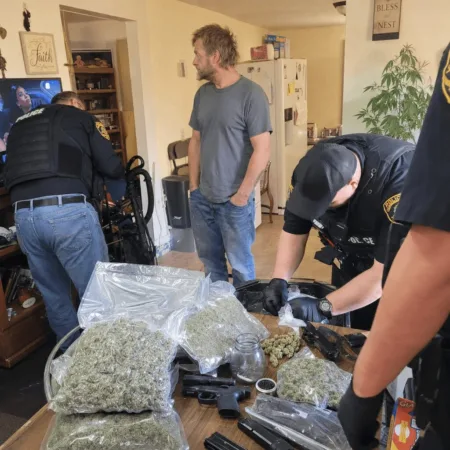
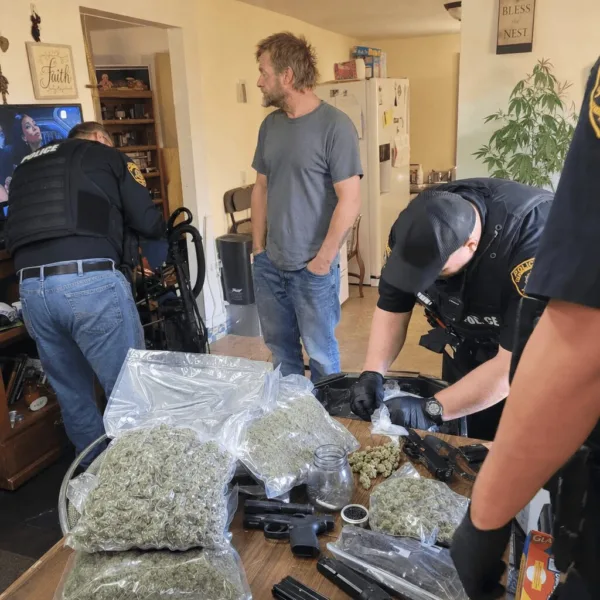
According to KTLA News, the marijuana deal deadly shooting occurred during what was supposed to be a routine transaction in South Los Angeles. Back in April 2022, authorities reported that an illicit cannabis exchange was set up between two groups in a parking lot, no licensed dispensary, just a handshake deal gone awry. This event reminds us of similar law enforcement actions, like when a cannabis peddler arrest drew public attention and sparked public debate around policy and the effectiveness of current regulations. According to recent legal filings reported by KTLA, the suspect, 25-year-old Jordan Thomas, arranged to buy a significant quantity of marijuana. The meet was supposed to be quick, but tensions escalated. Witnesses said an argument broke out over the amount and quality of cannabis exchanged. In the chaos, Thomas drew a firearm and opened fire, killing a 29-year-old man. Bystanders fled, and LAPD launched an immediate investigation, eventually locating Thomas using surveillance footage and digital evidence. Prosecutors built a case centering on intent and premeditation, leading to Thomas’s conviction on second-degree murder charges just this week (per KTLA’s newsroom). The ruling has reignited heated debate over whether stricter legal access to cannabis could have prevented the loss of life and the cycle of violence frequently reported in illicit markets (Marijuana Moment highlights this ongoing issue nationwide).
Expert Insights: Lessons and Industry Reflections
As a long-time cannabis advocate, I see the marijuana deal deadly shooting in South L.A. as a tragic byproduct of a half-baked legalization system. When regulatory burdens are high and stigma lingers, the illicit market thrives. Industry analysts agree, “Black-market risks like these should disappear as we create affordable, safe access for all,” argues Leafly’s Bruce Barcott. Yet, in states like California, legal cannabis remains expensive and hard to access for many. If we look at broader regulatory impacts, it’s important to understand how local impacts shape legalization and affect public perception, business opportunities, and community well-being. Instead of treating cannabis like a dangerous contraband, we need fair taxation, robust licensing, and wide education, for buyers and sellers alike. These improvements are not just industry talking points, they’re echoed by legal scholars, consumer safety advocates, and even lawmakers pushing for broader reform (see The Hill for background). In short, the sad fallout of this marijuana deal deadly shooting is a call to action, end prohibition’s hangover, or brace for more needless harm.
What’s Next for Cannabis: Optimism Amid Tragedy
No doubt, the marijuana deal deadly shooting rattled the community and raised urgent questions. But here’s a silver lining: every tough news story can fuel smarter policy and safer practices. The cannabis industry keeps pushing for reform, and social acceptance is rising according to a recent Gallup poll—a record 68% of Americans now support legalization (Gallup). Real change happens when legal access is an option for everyone, and dangerous back-alley deals become a thing of the past. The tragedy reminds us why safe access, sensible regulation, and ongoing education matter more than ever. With continued advocacy and regulatory evolution, we move closer to making stories like this one a thing of the past—while building a cannabis industry that’s safe, equitable, and here to stay.
Originally reported by: ktla.com