




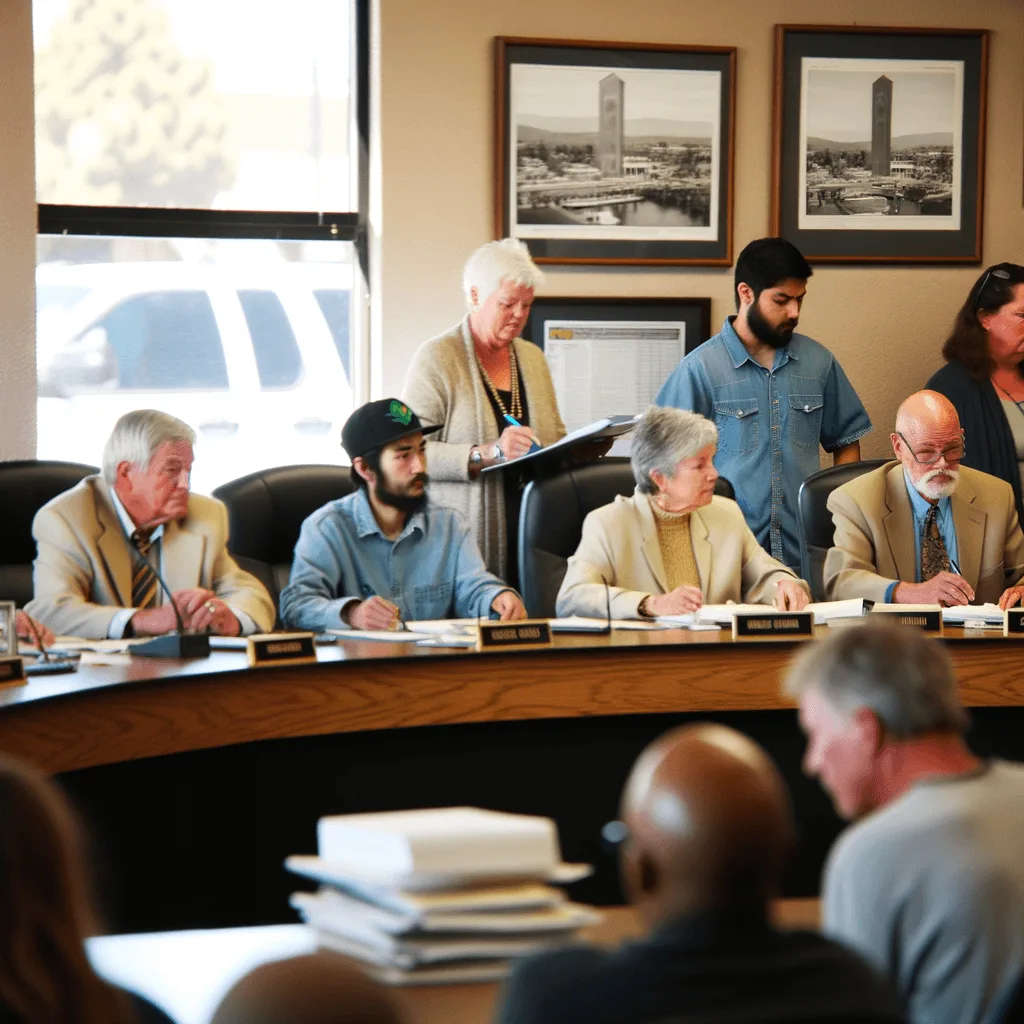
Local Impacts Cannabis Legalization: What Every Town Needs To Know
With the green wave spreading across the nation, understanding the local impacts cannabis legalization has never been more crucial. Town by town, communities are navigating the effects of new cannabis laws. As states roll out fresh regulations and legal markets, questions arise about tax revenue, public safety, retail zoning, and local culture. In this article, we break down what policy shifts mean for everyday life, why city leaders and citizens are watching closely, and how the conversation is moving from taboo to mainstream. Whether you’re a curious neighbor, municipal decision maker, or a cannabis industry insider, here’s what matters most right now.
The Legal and Social Landscape: Understanding the Local Impacts Cannabis Legalization
The legal roots of cannabis reform sprouted slowly, but recent years have seen rapid advances. Since Colorado first broke federal ranks in 2012, over 20 states have welcomed adult-use legalization. These changes come with new rules about who can grow, sell, and use cannabis, and of course, who can tax it (Marijuana Policy Project). States now set the parameters, but it’s cities and counties making the final calls on dispensary licensing, local taxation, and enforcement priorities. News of large-scale busts, such as surprising raids that have affected California’s market, continue to shape how regulations are enforced, as seen in major enforcement actions in Riverside County.
The local impacts cannabis legalization flow all the way to neighborhood streets. Issues like odor ordinances, retail store limits, and safety rules become the domain of city councils and zoning boards. Social attitudes are also rapidly evolving: Gallup reports record-high support for legalization, shaping how communities respond and adapt (Gallup). Market potential is clear, legal sales topped $26 billion in 2022, drawing praise and concern alike as money circulates locally and regionally (Leafly News), and recent data from Maryland highlights how booming cannabis tax revenues signal unprecedented growth within the sector, with some states anticipating billions in new revenue (see recent insights).
Key Developments & Local Issues: The Real-World Impact of Cannabis Legalization
Zooming into local realities, towns face a medley of challenges and opportunities following legalization. For example, in Dubuque County, Iowa, city councils have been grappling with policy questions since nearby Illinois legalized adult-use cannabis in January 2020. New businesses like Thrive Dispensary sprang up near state borders, drawing cross-state customers and igniting local debates about zoning and law enforcement priorities (per Telegraph Herald). Recent legal disputes and regulatory actions, such as those shaking up Massachusetts’ oversight, have served as catalysts for broader industry conversations about transparency and fairness, with investigations like the Boston Cannabis Control Commission lawsuit offering cautionary tales for local policymakers.
Many municipalities, including Dubuque and Dyersville, have noted increased traffic and tourism to legal retail outlets just minutes away. Local law enforcement reported a need for updated training and budget realignment, as enforcement shifted from prohibition to education and impaired driving enforcement. City planners began re-evaluating commercial zones and public nuisance ordinances, especially in neighborhoods adjacent to new dispensaries. According to recent city council reports, discussions about potential tax revenue and community reinvestment are ongoing. Law enforcement responses to cannabis-related traffic incidents, as illustrated by recent cases examining driver impairment and community safety, remain a pressing concern (explore the implications of recent THC driving cases).
Regional healthcare and education officials have stepped up public awareness campaigns regarding responsible use. Police chiefs have cited the importance of balancing safety with personal freedoms, leading to new partnerships with community organizations. Business chambers noted both increased economic vitality and concerns about retail clustering. These are far from isolated trends, cities everywhere are learning and adapting as the local impacts cannabis legalization ripple outward (National Conference of State Legislatures).
Expert Analysis & Insights: What the Local Impacts Cannabis Legalization Really Mean
Let’s get blunt, not every town expected the cannabis market to catch fire this fast. But with prohibition fading, new realities are setting in. Local tax windfalls now fund everything from pothole repairs to after-school programs (as the Cannabis Business Times details regularly). City governments that once feared social disruption are instead seeing a fresh source of economic momentum, along with notable changes in how the justice system approaches marijuana offenses, as recent court decisions in Michigan demonstrate (read how Michigan court dismissals are reshaping justice).
Still, challenges remain. Law enforcement faces a steep learning curve, shifting from strict prohibition to nuanced, public-health-oriented engagement. “Education is essential,” says Kris Krane, a longtime cannabis policy strategist. “Communities must invest in training law enforcement, supporting public health campaigns, and engaging diverse stakeholders” (MJBizDaily). It’s not just about new rules, it’s about a culture shift. Recent high-profile recalls in the edible sector underscore the essential role of vigilant oversight, with investigations like the candy product recall reshaping compliance standards.
Retail clustering fears are real, but plenty of data shows communities can use zoning and licensing caps to maintain balance, much like liquor stores. According to the Brookings Institution, most towns report either neutral or positive impacts on crime, with some even seeing small declines in youth cannabis use after legal sales began. It’s proof that thoughtful regulation, and yes, a little bit of chill, can go a long way.
Looking Forward: The Next Chapter for Local Impacts Cannabis Legalization
The story’s just getting started. More states are debating policy changes, and communities are learning from early pioneers. As tax revenue stabilizes and stigma fades, education and smart local policy matter more than ever. With data piling up and public support at an all-time high (per NORML), expect the local impacts cannabis legalization to become a model of bottom-up regulatory innovation. For communities tuned in and willing to experiment, the future looks greener than ever. Keep your eyes peeled and your policy debates spirited—the best buds are still to come.
Originally reported by: telegraphherald.com