



Riverside County Marijuana Bust: Massive Grow Operation Exposed
The Riverside County marijuana bust is causing a serious buzz—no pun intended—in California’s cannabis scene. As the legal industry works overtime to carve out its future, spotlighting one of the largest illegal grow operations to date underscores key issues: regulatory hurdles, black market competition, and ongoing questions about smart enforcement. With cannabis policy evolving and demand on the rise, this latest Riverside County marijuana bust isn’t just another headline—it’s a window into the complex weed economy in 2024.
Background: Understanding the Regulatory, Social, and Market Landscape
Let’s take it back a notch, California was a pioneer with Prop 64, legalizing recreational marijuana in 2016. This move set the stage for a regulated, taxed, and, ideally, transparent market. Riverside County, though, has a unique vibe. The region’s progressive stance on cannabis comes hand-in-hand with tough enforcement to root out unlicensed grows. According to data from the California Department of Public Health, illegal cultivation remains a thorny issue, creating headaches for both law enforcement and licensed operators. While Riverside faces these regulatory challenges, other states are experiencing surges in legal market growth, as seen with record-breaking cannabis sales in Delaware. Meanwhile, the economic draw of the illicit market can be hard for some to resist, with legal operators weathering high taxes and strict regulations. Industry analysts from New Cannabis Ventures report black market sales in California still eclipse legal revenues in many counties, fueling these incidents. Socially, community attitudes are evolving, but there’s still tension between those seeking opportunity in the greenrush and concerns about public safety, environmental impact, and regulatory compliance.
Key Developments: The Massive Riverside County Marijuana Bust Unpacked
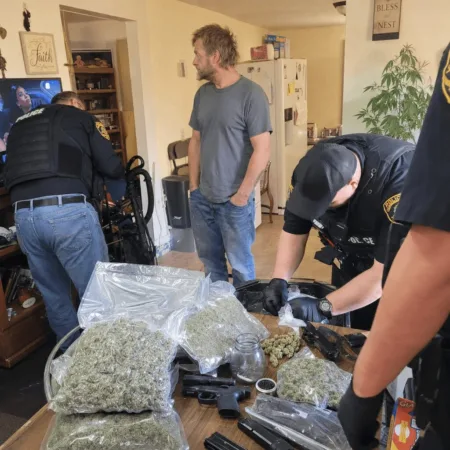
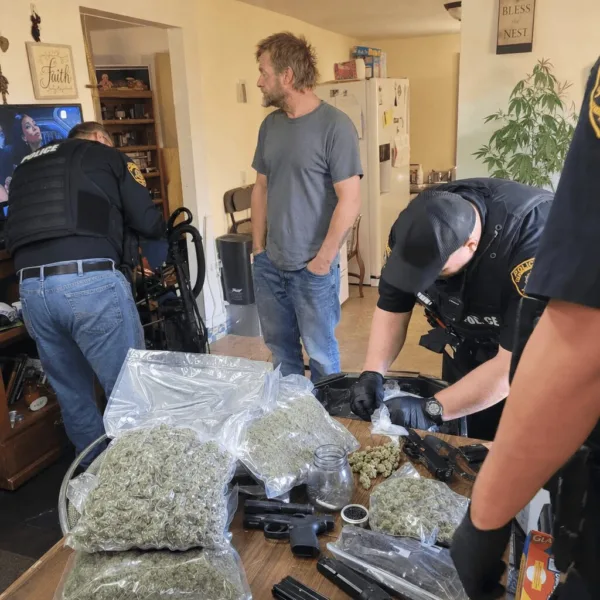
According to CBS News Los Angeles, law enforcement officers recently uncovered one of Riverside County’s largest illegal marijuana operations to date. On February 1, 2024, Riverside County Sheriff’s deputies executed a search warrant at a Lake Elsinore property. There, they discovered an extensive indoor grow with upwards of 4,000 marijuana plants, a trove of processing equipment, and hefty stacks of packaged cannabis ready for distribution. The bust was the culmination of a month-long investigation, sparked by community reports of heavy traffic and suspicious odors wafting through the neighborhood. Such large-scale raids frequently set off ripple effects for industry regulation and market dynamics, similar to how industry seizures and arrests have sparked debate and reform elsewhere. Authorities arrested multiple individuals suspected of running the operation, charging them with felony-level offenses such as illegal cultivation and intent to distribute without appropriate state licensing or compliance with local zoning laws. Officials seized not only plants but sophisticated lighting, irrigation systems, and several thousand dollars in cash. Sheriff’s representatives highlighted the operation’s scale, calling it a significant win in their ongoing battle with unlicensed producers. As detailed by The Los Angeles Times, similar operations are common in parts of Southern California, where high-profit margins motivate sizable illicit grows despite regulatory crackdowns. State authorities reaffirmed their commitment to supporting compliant businesses and protecting community health.
Expert Analysis & Industry Insights: Making Sense of the Riverside County Marijuana Bust
This latest Riverside County marijuana bust isn’t just another notch in law enforcement’s belt, it’s a mirror reflecting deeper flaws in California’s cannabis landscape. Licensed operators, stuck wrestling with heavy licensing fees and triple-decker taxes, often find it tough to keep up, as noted by industry publication MJBizDaily. “Until we refine tax policy and enforcement efforts to support compliant operators, the black market will continue to thrive,” says Lauren Mendelsohn, attorney and Board Chair at the National Cannabis Bar Association. She adds, “Targeting illicit grows is necessary, but it has to be balanced with efforts to make legal participation viable and attractive.”
This Riverside County marijuana bust puts a spotlight on the need for smarter policy: carrot and stick, not just stick. Meanwhile, social stigma still shadows legal operators and consumers, despite recent progress. While job creation and tax revenue are among the crucial benefits of legalization, Maryland’s booming cannabis tax revenue shows what’s possible when markets are properly regulated and supported. This is why experienced advocates push for more equitable enforcement, stronger support systems for small businesses, and streamlined licensing so the legal industry can compete and thrive without undercutting public trust or safety.
Future Outlook & Conclusion: Turning Busts into Breakthroughs for Legal Cannabis
The Riverside County marijuana bust is more than a cautionary tale—it’s a catalyst for reform. Legalization was never going to be a straight shot, but the progress in Riverside and across California speaks volumes. According to Marijuana Moment, ongoing regulatory tweaks, increased public acceptance, and efforts to reduce the legal market’s costs are all shaping a more level playing field. Each enforcement move like this Riverside County marijuana bust—when combined with smarter policy—shrinks the black market’s footprint and drives investment into compliant, community-minded businesses. The future looks green, with more nuanced regulations, community-driven solutions, and increasing opportunities for legit operators. Stay tuned—the best buds are yet to come.
Originally reported by: cbsnews.com