

Shocking Details: Abilene CBD Police Raid Exposed
As the cannabis industry booms and public attitudes shift, recent events in local law enforcement have reignited debate around legal CBD. The Abilene CBD police raid has quickly become a flashpoint, raising major questions about testing standards, legality, and the future of hemp-derived products. With industry observers and advocacy groups watching closely, this raid isn’t just a local headline—it’s a symbol of growing pains as old-school rules meet a modern marketplace. Here’s what went down, why it matters, and what it signals for the evolving legal cannabis scene.
CBD Laws, Market Growth, and the Regulatory Wild West
The current Texas CBD landscape is a patchwork, lively, fast-growing, and often confusing. After the passage of the 2018 Farm Bill, hemp-derived CBD with less than 0.3% THC became federally legal, triggering a wave of new shops across the state. Texas followed up with its own regulations in 2019. Yet, as noted by The Texas Tribune, enforcement has wobbled, with local police often unsure how to distinguish legal CBD from illegal cannabis. The market’s explosive growth hasn’t always been matched by enforcement clarity. Testing reliability is a sore spot, with some counties embracing rapid changes, and others lagging, defaulting to dated field tests that cannot differentiate between legal CBD and federally illegal THC. Similar problems have sparked nationwide controversy, illustrated by the recent shift in legal highs due to unregulated hemp THC products in Ohio. Confusion isn’t just a legal headache, it leaves honest businesses vulnerable and consumers unsure what’s actually legal at their local shop. Socially, CBD is picking up mainstream steam; Forbes projected the U.S. CBD market could top $4.5 billion by 2028. But even as the cash registers ring, misunderstandings about regulation and the technology behind THC testing set the stage for events like the Abilene CBD police raid.
Inside the Abilene CBD Police Raid: Faulty Testing, Major Backlash
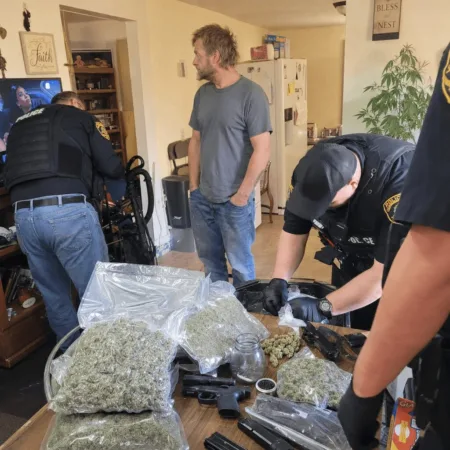
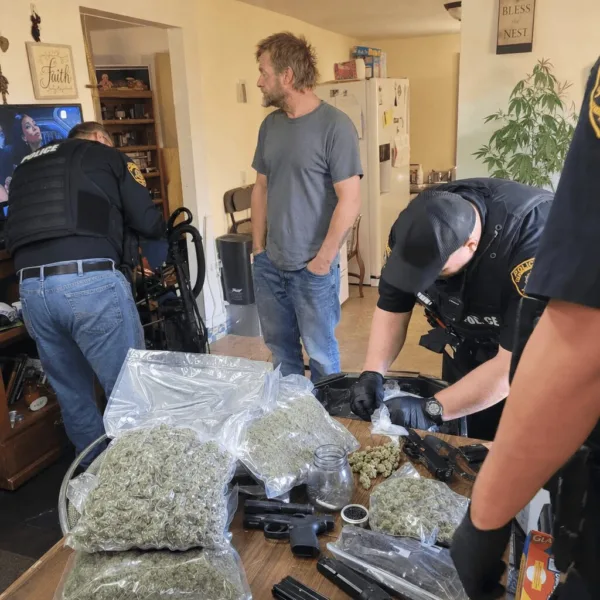
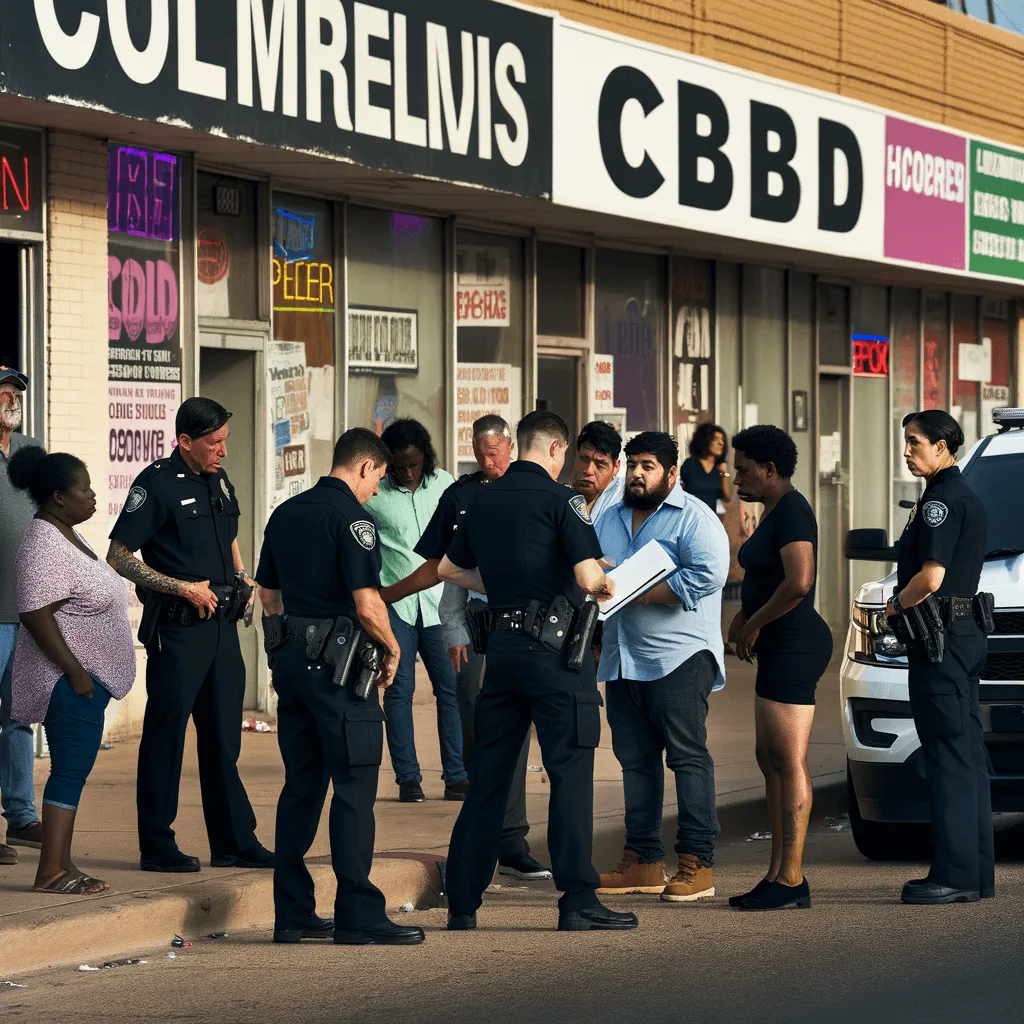
Let’s rewind to the scene in Abilene, Texas. According to Big Country Homepage, local police recently raided a CBD establishment based on field tests indicating the presence of THC. However, experts now contend that officers relied on outdated, unreliable technology, tests infamous for false positives—rather than confirmed state-of-the-art lab methods. The tests in question have been repeatedly criticized by industry watchdogs and scientists for their inability to differentiate between legal hemp products (with less than 0.3% THC) and higher-THC marijuana. The business owner, who maintains all inventory was purchased legally under Texas law, now faces major financial losses. The raid sparked outcry from Texas NORML and other advocacy groups, who see it as proof that local authorities are lagging behind current science. Legal filings referenced by the Dallas Morning News reveal a wave of similar incidents across Texas since 2019, spotlighting a systemic gap between legislation and local police practice. Incidents like these not only put businesses at risk, but provoke broader cannabis industry debate, much like the criminal investigation into illegal marijuana sales in Baxter Springs. The Abilene CBD police raid wasn’t just a bad day for one shop, it’s a chilling signal to hundreds of businesses statewide.
Deeper Analysis: What This Means for the Cannabis Industry, And Why It Matters
This Abilene CBD police raid lands right at the crossroads of progress and confusion. Industry experts like attorney Lisa Pittman, extensively cited by Marijuana Moment, note: “Without standardized testing protocols and proper officer training, legal hemp businesses will keep running into trouble.” She’s not alone. Many in the field share concern that these missteps chill investment and innovation across Texas’s budding hemp economy. As the Leafly editorial board put it, “The root problem is testing tech that can’t keep up with the law, businesses can’t afford to guess if they’ll be raided.” Meanwhile, THC-laden panic lingers in law enforcement culture, even as public support for well-regulated CBD climbs. This mismatch not only harms legitimate operators but sows mistrust and confusion in communities these businesses are meant to serve. In states like Colorado and Oregon, reliable testing and clear regulatory guides have paved the way for robust growth. Likewise, recent developments in Texas THC legislation have caused significant reactions among lawmakers and the community, signaling the ongoing challenges and debates facing the wider industry from both a policy and business perspective.
What’s Next? A Greener, Smarter Future for CBD in Texas
The fallout from the Abilene CBD police raid is a wake-up call—Texas can’t afford to cling to outdated enforcement. With consumer demand for hemp-derived products surging and lawmakers debating further reforms, there’s real hope for common-sense updates. State officials have shown willingness to revise practices, as highlighted in Texas Monthly. The cannabis industry, meanwhile, keeps growing smarter and more resilient: Nationally, businesses and regulators are working together to build systems that are fair, transparent, and safe for everyone. For local entrepreneurs, consumers, and advocates, this moment is tough—but it’s also a sign of the industry’s momentum. Legal clarity, improved testing, and stronger education are right around the corner. As the state catches up with the science—and the marketplace—the future’s bright for CBD in Texas and beyond. Honestly, that’s the green wave all of us want to ride.
Originally reported by: bigcountryhomepage.com