


Children Exposed to THC: Shocking Dubuque Incident Revealed
Let’s talk straight—few topics are as electrifying in today’s cannabis scene as children exposed to THC. With legalization sweeping the U.S. and more products hitting local shelves, understanding the real risks and responsibilities truly matters now more than ever. The recent incident in Dubuque, Iowa, where young children reportedly fell ill after accidental THC ingestion, has sparked a storm of concern and curiosity. That’s why we’re unpacking the events, exploring what happened, why it matters, and how smart cannabis use and regulation play into keeping everyone—especially kids—safe. Sit tight, because these lessons ripple far beyond one city block.
Understanding the Backdrop: Cannabis, Regulation, and Public Health
The cannabis market has evolved at breakneck speed. Legal access to THC, the classic cannabinoid that gets you high, has exploded in recent years (Pew Research Center). But with legal edibles, gummies, and oils landing in more homes, accidental exposures are an increasing concern. Regulatory standards are shifting to keep pace as the CDC warns about product packaging that looks like candy, posing a risk for children exposed to THC. States like Colorado lead with child-resistant packaging and clear warning labels (CDC). National industry groups also call for stricter oversight (see NORML), especially as market demand keeps climbing. Even with these precautions, education and vigilance remain the first line of defense, because even in a modern cannabis culture, accidents can and do happen. It’s worth noting that as cannabis prices fall and savings increase for consumers, the accessibility of products like edibles is rising—leading to debates on both consumer benefit and safety. More information on how today’s cannabis prices benefit consumers can be found here.
What Happened in Dubuque? Key Developments & Ongoing Issues
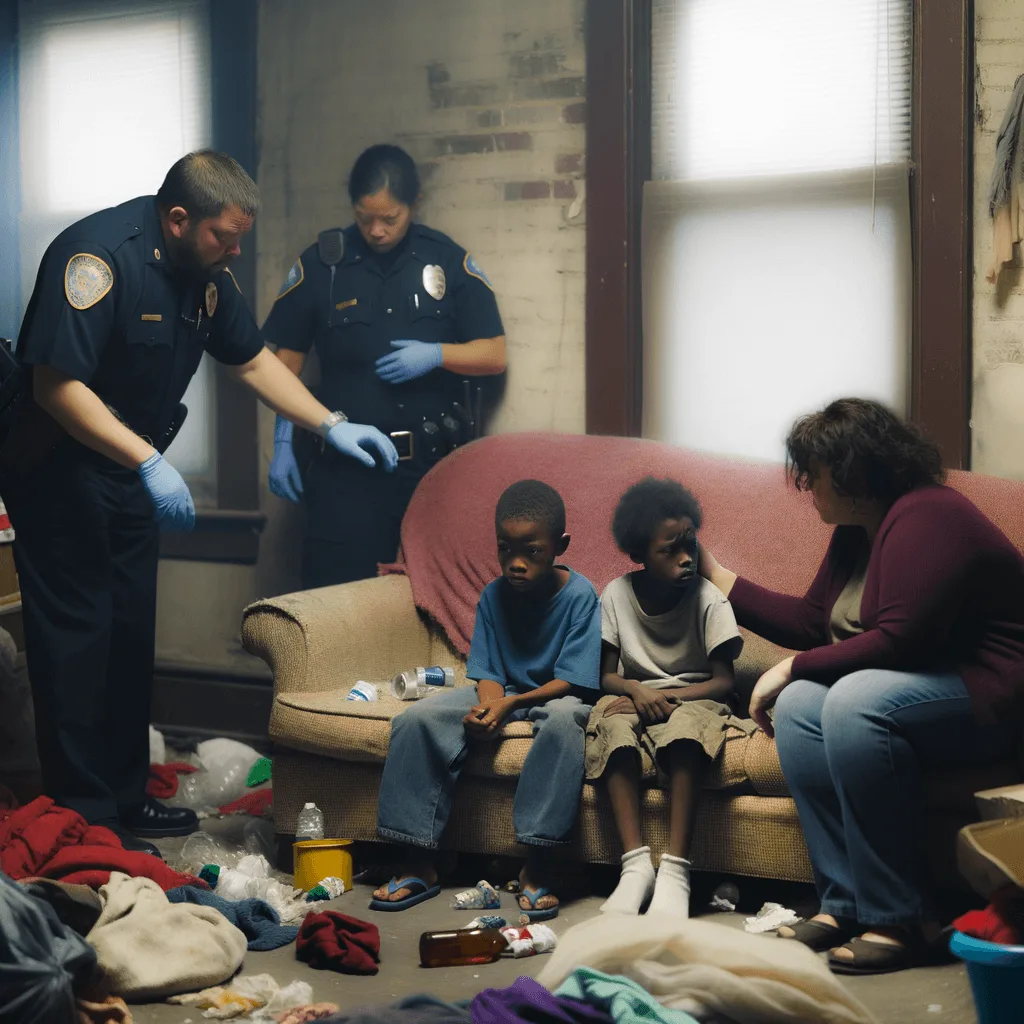
The city of Dubuque found itself at the center of a heated debate in June 2024 when authorities responded to a local residence after two children under age five reportedly appeared very lethargic and unresponsive. According to police records, first responders rushed to a home where edible cannabis products were believed to have been left accessible to young children. The incident quickly led to medical intervention at a local hospital. Health officials later confirmed classic symptoms consistent with THC ingestion, including confusion, lethargy, and loss of coordination—strong evidence of children exposed to THC.
The local police department launched an investigation, alerting the Iowa Department of Human Services and reviewing state-level guidelines around at-home cannabis storage and child welfare. The edibles’ source was traced back to legally purchased products from outside Iowa, as recreational cannabis remains illegal there, which highlights the complexity of interstate cannabis commerce (Des Moines Register). No charges have yet been filed, but the case has reignited calls for standardized packaging and strict education on cannabis safety at home. Local authorities and parent groups voiced concern, citing an uptick in reports of accidental pediatric exposures across state lines as more potent cannabis products become widespread. For more on how state policy shifts and market growth impact local debates, check out an analysis of Ohio’s expanding cannabis market and the barriers it faces.
Expert Analysis, Cannabis Culture, and Real-World Solutions
Look, accidents involving children exposed to THC are rare, but they’re a sobering reminder: with great legalization comes great responsibility. The core challenge isn’t THC itself but rather how products are packaged, stored, and sold. Dr. Peter Grinspoon, a leading voice from Harvard Medical School, has put it best: “Cannabis is only as safe as the environment you put it in. Keep it locked, keep it labeled, and keep it away from the kiddos.” That’s wisdom every advocate can support. Industry leaders echo this sentiment. Jenny Bloom, editor at Leafly, argues, “Education beats prohibition. Smart packaging, clear dosing, and honest communication, these are how we mainstream cannabis safely.”
Let’s also keep it real: incidents like Dubuque’s get headlines, but national reports show such events are infrequent compared to legal adult use. The CDC data notes upticks in child THC exposures post-legalization, but emphasizes that comprehensive public education, clear warning labels, and robust enforcement reduce these risks. Solutions are out there, with best practices like locked storage, child-resistant packaging, and truth-filled talks at home and in schools. If you’re interested in elevating your personal responsibility, learning about cannabis microdosing as a practical and controlled approach to consumption is an excellent next step. The cannabis industry is already moving to raise the bar, demanding better labeling, improved product distinction, and honest retailer guidance. Responsible consumers and proactive industry voices are the real guardians here, making cannabis culture more mature than ever before.
Looking Forward: Optimism, Progress, and a Smarter Cannabis Era
The Dubuque story serves as an important wake-up call—a reminder that children exposed to THC is a public health issue requiring thoughtful solutions, not panic. The U.S. cannabis market continues to see record growth with over $33 billion in legal sales last year (MJBizDaily), and social acceptance is at an all-time high. More states are pushing for comprehensive regulation, and advocates are doubling down on research, education, and prevention. If we keep leaning into best practices—safe storage, savvy product design, and solid parental guidance—incidents involving children exposed to THC will become even rarer.
The future is bright if we keep learning and acting with integrity. The trick is to keep progress rolling without sacrificing safety. As cannabis culture steps forward, let’s keep it inclusive, responsible, and above all, safe—for every family and every community.
Originally reported by: telegraphherald.com