Psychedelics as Spiritual Sacraments: A New Religious Movement?
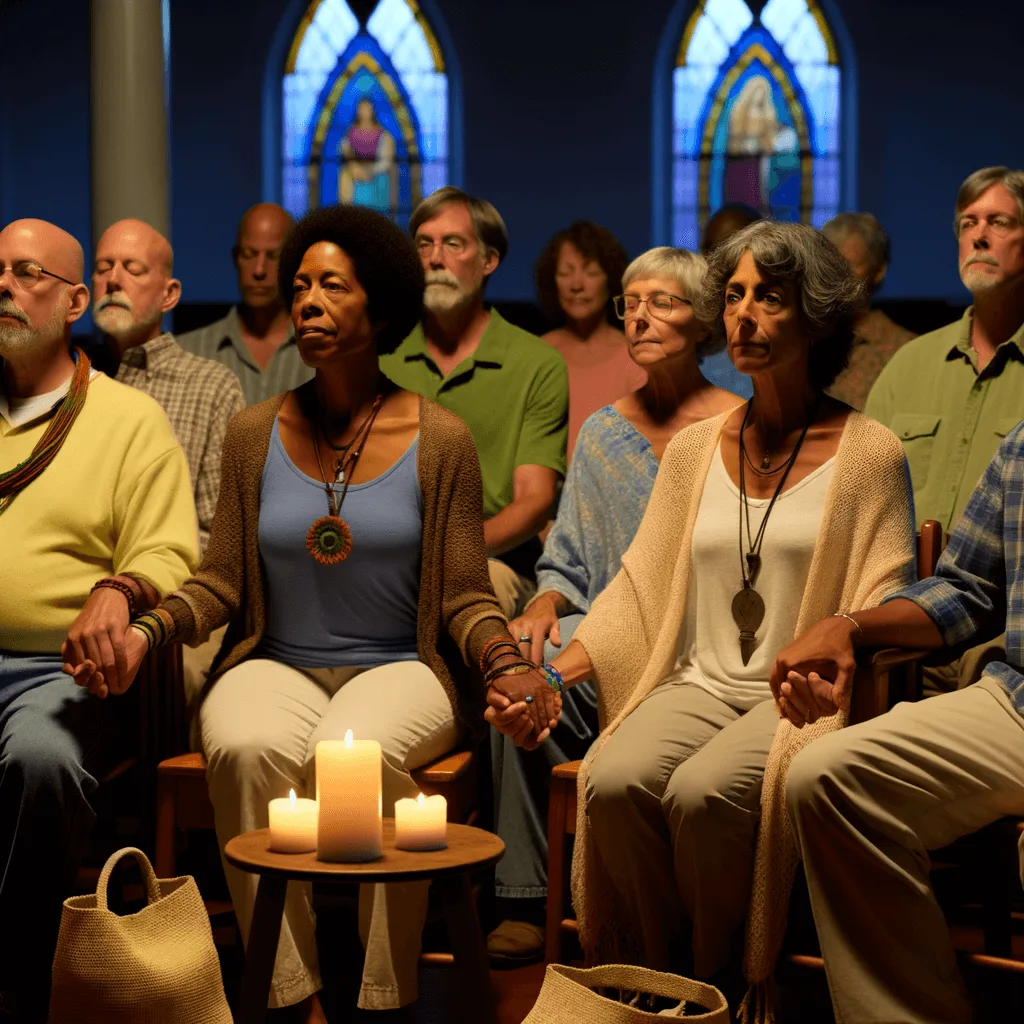
Right now, the cultural vibe around altered states is hotter than ever. From church basements in Oregon to city halls in San Francisco, the conversation about using psychedelics as spiritual sacraments just won’t quit. Recent legal changes, growing social acceptance, and some pretty mind-blowing clinical research have thrust this topic front and center. As religious freedom debates and legislative sessions heat up, more people are asking, ‘Is this the next frontier for rights and rituals?’ In this deep dive, we’ll break down how psychedelics are being woven into spiritual practice, the legal headaches that brings, and why this matters for anyone vibing with cannabis or broader plant medicine culture.
The Shifting Landscape: Background & Context
To get what’s going on, you have to understand the regulatory rollercoaster around psychedelics as spiritual sacraments. Federal law in the U.S. still classifies substances like psilocybin and ayahuasca as Schedule I, meaning, in the eyes of D.C., they’re as no-go as it gets. Yet courts and communities are carving out exceptions, thanks in part to the Religious Freedom Restoration Act (RFRA). This law provides religious groups a legal path to challenge bans if their faith relies on restricted psychedelics. Legal advocates and faith leaders alike cite landmark cases, such as the Gonzales v. O Centro Espirita Supreme Court win, where a New Mexico church secured the right to use ayahuasca. Meanwhile, cities like Oakland and Denver have decriminalized certain plant medicines on the local level (Denver city government). These moves signal shifting norms, but state and federal conflicts still leave spiritual seekers and their congregations in a legal gray zone, echoing recent turbulence seen when communities reacted strongly to evolving drug laws, such as the aftermath of high-profile community incidents involving drugs and law enforcement.
Major Moves: Recent Developments & Current Issues
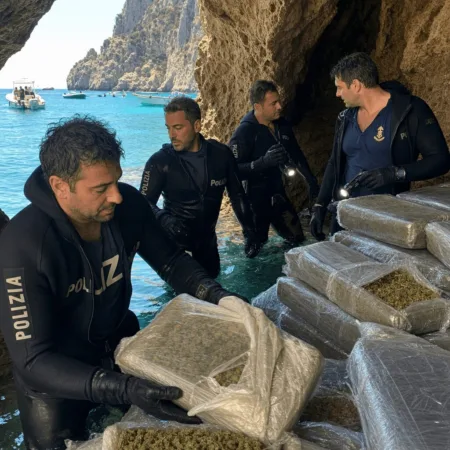
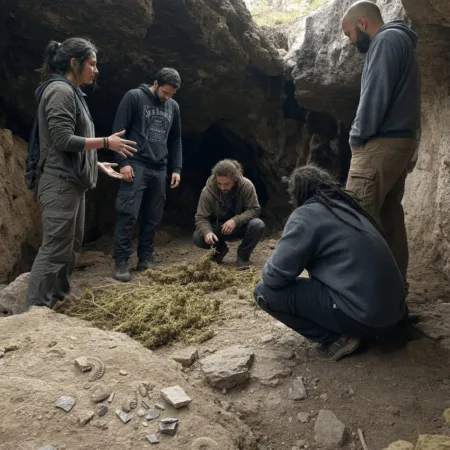
The last two years have been a psychedelic whirlwind for religious groups. Industry sources like Marijuana Moment describe how emerging churches and Native American peyote ceremonies are bolstered by renewed legal strategies. Groups like the Sacred Garden Community in New Mexico and the Church of the Eagle and the Condor have gone public, with members stating that psychedelics as spiritual sacraments are the linchpin of their worship. According to recent court filings, several organizations have explicitly requested federal exemptions under RFRA, but the DEA’s response is slow and sometimes hostile. In Oregon, where psilocybin is now legal for supervised adult use, some faith-based collectives are testing the limits by hosting ceremonies and talking openly about their right to do so, according to a report by Oregon Public Broadcasting. Even as these groups push for legitimacy, risks remain. There have been federal raids on unpermitted ayahuasca circles in California, as reported by Rolling Stone, and some church leaders face prosecution. In this climate, legal challenges and enforcement actions fuel wider debates—reminding many observers of the spirited controversies after major law enforcement busts, such as seen when discussing what the future holds after police crackdowns on illegal cannabis operations. Despite the tension, the visible uptick in lawsuits and city resolutions signals that the debate on psychedelics as spiritual sacraments is far from settled.
Expert Analysis, Cannabis Parallels & Pro-Perspective
As a veteran in cannabis advocacy, I see all kinds of parallels between the journey of weed and this religious psychedelics push. Cannabis, now legal for spiritual use in Rastafari rituals in several Caribbean nations and accepted by courts from Jamaica to Colorado, set a template. Legal setbacks are real, but so is progress and community demand. According to Leafly, ‘The cannabis movement’s journey to mainstream acceptance has paved the way for wider plant medicine reforms.’ Industry leaders like Dr. Bronner’s CEO David Bronner echo this vibe. He told Filters Magazine: ‘Society is waking up to the healing potential of psychedelics as spiritual sacraments the same way it once rediscovered cannabis.’ It’s not just talk—the data agrees. Pew Research reports rising social approval for psychedelic therapy and religious use. Skeptics worry about misuse, but studies suggest structured religious ceremonies help prevent abuse and foster community. According to the Journal of the American Medical Association, spiritual intent and community supervision lower risks. The growing popularity of non-traditional therapies also mirrors booming interest in other plant-based wellness practices, similar to the rise of transformative breathwork therapies and their acceptance among wellness communities—people aren’t just chasing a trip, they’re seeking meaning, healing, and belonging, the same drivers behind cannabis’ cultural renaissance.
What’s Next? Outlook & Conclusion
Looking ahead, the push for psychedelics as spiritual sacraments isn’t losing steam—it’s gathering followers, legal allies, and cultural cachet. Just as cannabis wrote its comeback story, psychedelics may become a mainstream part of spiritual life for many faiths (and some chill, open-minded agnostics too). As states like Oregon and Colorado crack open the conversation and more cities reconsider local laws, the trend looks bullish. According to Forbes, 2023 will set the stage for unprecedented religious and legal challenges—but also big wins. While legal friction remains, every court case, city ordinance, and mindful ceremony carves out new space for spiritual freedom and choice. The era of plant-based spirituality is blossoming right alongside the green wave, and it’s a trip worth taking—responsibly, with respect, and a little help from community wisdom.
Originally reported by: marijuanamoment.net