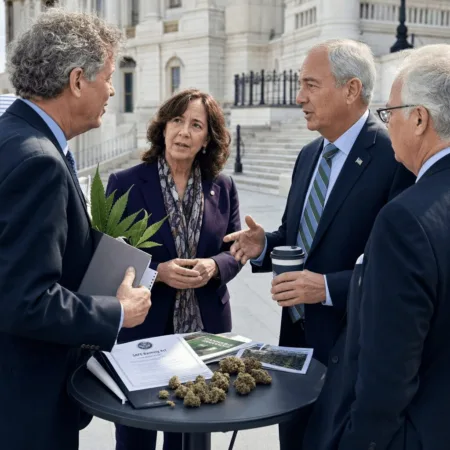

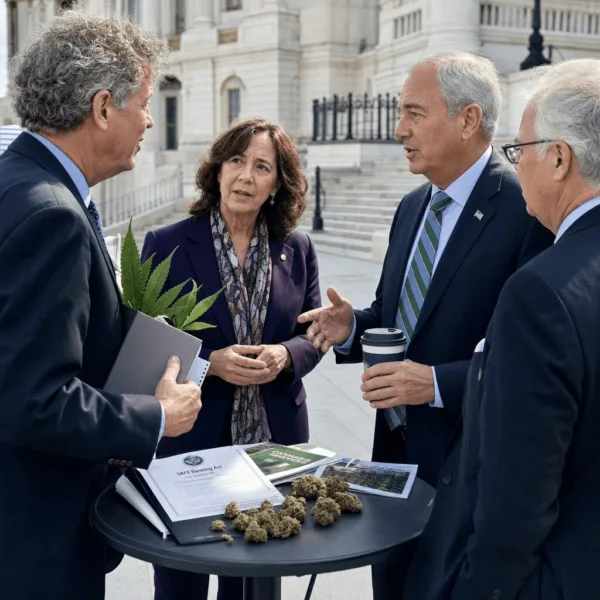



OPP Illegal Cannabis Bust: Inside the Major Police Crackdown
The recent news of an OPP illegal cannabis bust comes at a pivotal moment for Canada’s cannabis industry. As more consumers pivot to the legal market, and regulations evolve, law enforcement is stepping up their efforts against unlicensed operations. This bust isn’t just another headline—it’s a lens into the challenges facing the cannabis market and the ongoing tug-of-war between enforcement and lawful access. Whether you’re a seasoned advocate or curious onlooker, understanding the story behind the OPP illegal cannabis bust matters now more than ever. Here’s what you need to know about the dramatic events, the context driving them, and what it all means for the future of cannabis in Ontario.
Legal, Regulatory, and Market Background: The Root of the Conflict
Canada made history back in 2018 with the nationwide legalization of recreational cannabis, but the journey since then has been anything but mellow. Provinces like Ontario put strict licensing protocols in place for legal sales, while the black market has stubbornly persisted, fueled by high demand and slow rollout of retail permits (CBC News). Legal dispensaries face high compliance costs, steep taxes, and ever-changing provincial standards. Yet, pervasive stigma lingers, and police like the Ontario Provincial Police (OPP) continue targeting illicit growers and distributors. Notably, some experts report that almost 40% of Ontario’s cannabis sales still happen outside regulated channels (Statistics Canada). The tension is similar to ongoing debates seen as new laws and tax rules reshape local markets, as demonstrated when cannabis tax regulations in Cayuga County sparked significant change. All this means that OPP illegal cannabis busts aren’t isolated events, they’re symptoms of a complex, still-maturing regulatory landscape where market, policy, and social attitudes continually collide.
Key Developments & Issues: What Happened in the Recent OPP Illegal Cannabis Bust?
On August 30, 2025, the Ontario Provincial Police (OPP) made headlines after a sweeping operation in northwestern Ontario dismantled a substantial illegal marijuana distribution network. According to CKDR News, multiple properties were raided across the region, uncovering substantial quantities of unlicensed cannabis, elaborate growing equipment, and financial records suggesting large-scale trafficking. The OPP reported arresting several people alleged to be at the heart of this operation, some with ties to previously shuttered dispensaries.
This was no small sting, officers seized thousands of plants and processed cannabis, plus high-value assets suspected to be purchased with proceeds from the illegal market. These significant law enforcement actions in Ontario echo enforcement activity seen in other North American markets, such as when authorities responded to illegal cultivation sites during the Tehama marijuana grow operation raid. Authorities underscored that these seizures disrupt supply chains feeding unregulated retail websites and street-level distributors. Legal documents released by the OPP detail coordinated surveillance and months-long undercover investigations. This show of force is one of the largest OPP illegal cannabis busts in the past year and marks a significant escalation in the ongoing clampdown against non-compliant operators.
Expert Analysis, Industry Insights & Balanced Counterpoints
The OPP illegal cannabis bust reveals both the seriousness of regulatory enforcement and the persistent gaps in access that feed the underground market. The illicit trade still flourishes in part because legal retail deserts persist and some consumers seek cheaper, untaxed products. Renowned industry analyst Deepak Anand, quoted in MJBizDaily, points out: “Until legal cannabis can compete on price, accessibility, and product variety, illegal operators will find ways to fill that market demand.”
Yet, it’s essential to note the progress, legal sales are up, and authorities like Ontario’s Alcohol and Gaming Commission have made moves to simplify licensing (AGCO). Many advocates argue this bust highlights the need to further streamline regulations and reduce barriers to entry for smaller legal growers. Long-term, heavy-handed enforcement alone won’t be as effective as thoughtful reforms and expanded access. In fact, a Global News report underlines that collaboration with local communities and education campaigns about the risks of unregulated weed are crucial components of a healthy market. These issues tie in with broader conversations about evolving cannabis and plant medicine regulations and trends, as seen in recent coverage of innovations like psychedelic breathwork therapy shaping public opinion and policy discussions.
Looking Forward: What’s Next for Canada’s Cannabis Market?
The OPP illegal cannabis bust may have removed a major illicit player, but it also shines a bright light on what the cannabis industry still needs. As regulations catch up with reality and more consumers choose licensed dispensaries, the incentives to go underground should fade. The future remains bright for Ontario’s legal cannabis space, buoyed by expanding access, improving regulations, and increasing mainstream acceptance (Leafly). If anything, this and future OPP illegal cannabis busts provide a much-needed push for evolving a system that supports safety, quality, and choice for every kind of consumer. Stay tuned, friends—change is burning bright, and the smoke signals point to a more balanced, inclusive industry ahead.
Originally reported by: ckdr.net