Cannabis Rescheduling Legalization: Trump Advisor’s Bold Push
Everyone paying attention to the cannabis scene knows change is in the air. With calls for cannabis rescheduling legalization hitting headlines and heavyweight politicians joining the discussion, the future of cannabis legislation in the United States looks more electric than ever. Conversations about moving cannabis from Schedule I to a lower schedule aren’t just talk—they’re shaping real-world policies, potentially unlocking massive industry growth and improving criminal justice outcomes. Today, we dig into why this moment could be the most significant step yet toward cannabis rescheduling legalization, exploring everything from insider politics to the future of legal weed nationwide.
Understanding Cannabis Rescheduling Legalization: Legal, Regulatory, and Cultural Backdrop
Cannabis has lived in the DEA’s Schedule I purgatory for decades, that’s the same category as heroin, according to U.S. DEA Drug Scheduling. Being here means ‘no medical use’ and ‘high abuse potential’ in federal eyes, though clearly, society begs to differ. This outdated stance clashes wildly with state-level movements: as of early 2024, over 38 states have enacted some form of medical marijuana law, and 24 allow recreational use, stats that NORML reports cover a majority of the U.S. population.
States with evolving cannabis programs are now being urged to update their medical cannabis laws boldly to ensure they align with modern expectations and federal discussions. Rescheduling isn’t just bureaucracy, it unlocks bank accounts, research, and removes handcuffs for responsible cannabis users and businesses. It’s a critical shift. Regulatory agencies like the FDA and DEA, plus lawmakers, juggle pressure from both the booming legal market (which MJBizDaily notes hit nearly $30 billion in annual sales) and a steadily evolving mainstream perspective. Whispers (and outright shouts) of cannabis rescheduling legalization aren’t just echoing through congressional halls, they’re rooted in deep market demand.
Game-Changing Developments: Trump Advisor’s Push & Political Momentum
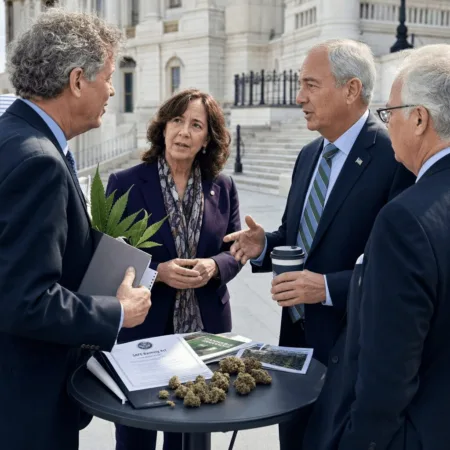
Let’s get specific: On August 29, 2025, a close advisor from the Trump camp publicly called for cannabis rescheduling legalization—yup, you read that right. According to details summarized by Marijuana Moment, the advisor argues that rescheduling cannabis would be a critical steppingstone toward full legalization—a position increasingly echoed across the Republican and Democratic aisle.
Here’s the kicker, this isn’t hypothetical. Agencies like the Department of Health and Human Services (HHS) have already recommended lowering cannabis to Schedule III. That would recognize medicinal value, ease research restrictions, and allow cannabis companies basic business rights—like tax deductions under IRS code 280E. According to Politico, these proposals have drawn sharp response from both advocacy groups and industry giants, who see the historic opportunity for meaningful federal reform. Meanwhile, leading financial institutions, previously hands-off for fear of legal blowback, are reevaluating their stances as the tide starts to turn. The possibility that a Trump advisor might help federal legalization go mainstream has even inspired recent debates on whether the high road will finally go federal in the near future.
Industry Reaction & Expert Analysis: The Stakes and Opportunities with Cannabis Rescheduling Legalization
So what’s really at stake? Moving cannabis to Schedule III, or broader rescheduling, would let legitimate businesses finally thrive, no more being treated like outlaws by the banking system. According to the Brookings Institution, it could also supercharge research, empower doctors, and help erase decades-old stigmas around cannabis use.
But as promising as this all sounds, there’s still cautious optimism. The cannabis market is famously unpredictable, and every big step has its doubters. Industry observers have weighed in on the risks and legal implications for industry players if rescheduling occurs, reminding stakeholders to prepare for continued regulatory uncertainty. Yet as longtime policy advisor and cannabis law scholar Hilary Bricken told Canna Law Blog, “Rescheduling might not instantly legalize everything, but it removes huge barriers for patients, researchers, and small businesses who’ve been boxed out by federal rules for far too long.”
Industry analysts point out a boost in hiring, legitimacy, and tax revenue potential. Even Forbes, in their 2024 cannabis briefing, highlights the domino effect—if a Trump advisor’s endorsement pushes mainstream GOP support, that could shift federal legalization from pipe dream to policy reality.
Looking Forward: The Future of Cannabis Rescheduling Legalization
We’re standing on the brink of something big, friends. With cannabis rescheduling legalization back in the headlines, industry pros, everyday users, and hopeful entrepreneurs are watching Washington with more optimism than ever. Regulatory trends, voter sentiment, and bipartisan conversations (even in odd places) mean change isn’t just possible—it’s probable.
There will still be debates, but social attitudes are rapidly shifting. Advocates remain laser-focused: safe access, fair regulation, and ending outdated stigmas. As Pew Research underscores, over 85% of Americans now support some form of legal cannabis. That’s more than just a trend—it’s a mandate for change. The coming years will determine just how far cannabis rescheduling legalization will take us. Whatever happens, the green wave clearly isn’t slowing down.
Originally reported by: marijuanamoment.net