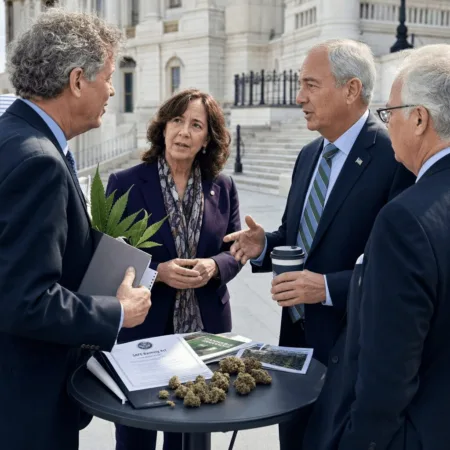

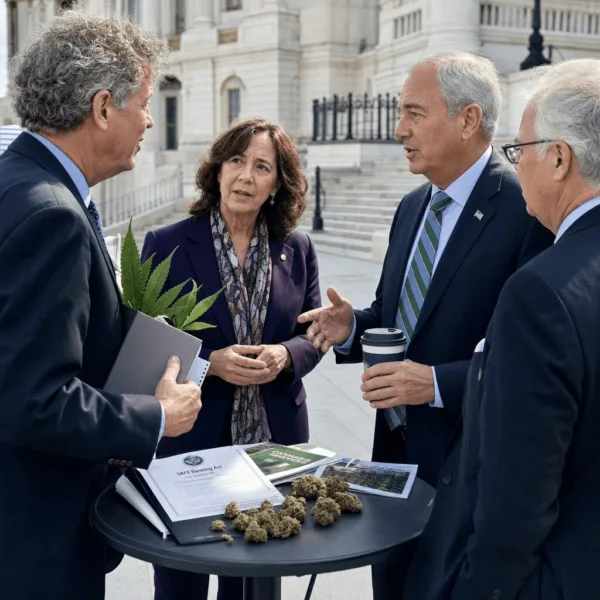



Trump Marijuana Rescheduling: Will It Actually Happen?
Alright, cannabis community—buckle up. The saga of Trump marijuana rescheduling just got a lot more real, and everyone from consumers to investors to industry-reform dreamers are glued to the updates. With nationwide public support for reform at all-time highs, shifting state laws, and ever-increasing recognition of marijuana’s therapeutic value, this conversation isn’t just trending—it’s transforming lives and markets right now. In this breakdown, we’ll dig into what’s fueling the Trump marijuana rescheduling buzz, what actually went down, and why this could be a historic crossroads for the cannabis world.
Changing Laws, Old stigmas: The Regulatory Background to Trump Marijuana Rescheduling
You can’t even start talking Trump marijuana rescheduling without understanding the legal backdrop. Federally, marijuana is currently stuck in Schedule I, the same tier as heroin, under the Controlled Substances Act according to the DEA. This puts federal law at odds with 38 states and the District of Columbia, where cannabis is legal in some form. That’s created a wildly patchwork system with patients, businesses, and law enforcement often spinning. Concerns about state-level inconsistencies echo what we’re seeing as medical cannabis programs decline in effectiveness and reach, raising alarm bells across the country, which aligns closely with current trends described here. According to Pew Research Center data, nearly 9 in 10 Americans support some form of marijuana legalization. State markets are booming too, with retail sales topping $25 billion last year (per MJBizDaily). Yet, as long as cannabis remains under Schedule I, licensed companies endure banking nightmares, tax headaches, and legal uncertainty. The gap is obvious, and growing. Calls for reform have only gotten louder, with previous federal reform efforts mostly fizzling. So, when the Trump camp started making noise about rescheduling, ears everywhere perked up. Could we finally see the wall come down?
Key Developments & Issues: All Eyes on the White House and DEA
Fast-forward to the latest developments on Trump marijuana rescheduling, August 2025 saw news break that former President Donald Trump’s advisors and campaign are seriously weighing a move to reschedule cannabis. According to industry insiders and The Hill, discussions kicked into overdrive after the Biden administration made major progress toward rescheduling earlier in 2024. Policy scrutiny is at an all-time high as unpredictable enforcement actions persist—just look at how citation spikes in certain cities have sparked fresh debate on local cannabis enforcement, as noted here. Trump’s team is reportedly eyeing a shift to Schedule III, right next to ketamine and some prescription meds, which would be a quantum leap for businesses and consumers alike.
Details are still developing, but legal filings and public statements confirm that possible executive actions and DEA recommendations are being analyzed seriously. Meanwhile, major operators, like Curaleaf, Trulieve, and Cresco Labs, are watching closely. The industry buzz points to an expectation that any rescheduling would unlock new investment, allow actual federal medical research, and make 280E tax relief a reality for U.S. cannabis companies.
If Trump or his advisors move on this, it would be a landmark pivot, especially given previous hardline stances. But as legal documents from the Department of Justice note, a move of this magnitude requires regulatory review, public comment, and ultimately DEA action. So, while the energy is sky-high, it’s not a done deal yet.
Expert Insights: Why This Matters (and What the Industry’s Saying)
So how big is the Trump marijuana rescheduling question? According to NORML Policy Director Morgan Fox, “Federal rescheduling would transform the industry and our communities, reducing legal risks and opening up opportunities for scientific study.” As Marijuana Moment points out, the Schedule III shift won’t make cannabis legal nationwide, but it would slash tax burdens and clear the path for more robust clinical trials. One angle not to overlook is how high-profile legal cases, like fatal accidents involving cannabis impairment, continue to influence the national debate on marijuana law reform, which you can read about here. Industry commentators at Leafly and Forbes argue that bipartisan support is growing because rescheduling is a rare win-win, it’s a pragmatic reform that fits both economic and social justice narratives. The catch? Schedule III isn’t a cure-all. State-level prohibition could linger, and criminal records won’t be wiped away overnight. Yet, as Fox notes, “For the first time in generations, we’d see real daylight between cannabis and the era of prohibition.”
The Road Ahead: Hope, Hurdles, and High Expectations
If the Trump marijuana rescheduling effort succeeds, the U.S. cannabis industry could be on the verge of mainstream legitimacy. Experts at Cannabis Business Daily project strong industry growth, even under today’s patchwork laws—but rescheduling could unlock new investment, jobs, and research. It would signal a dramatic shift in how Americans view cannabis, propelling the social acceptance trend that’s already sweeping the nation. While there’s no easy end to the saga, advocates are fired up. In this evolving landscape, one thing’s for sure: politicians can’t ignore the new reality. Let’s keep the pressure high and the conversation rolling—because the green future is looking brighter than ever.
Originally reported by: independent.org