


Uncover the Biggest Coast Guard Narcotics Seizure Yet
Alright, let’s spark up a convo about what’s lighting up headlines: the record-shattering Coast Guard narcotics seizure. This isn’t just another stash bust—it’s a moment that reveals changing tides for the cannabis market, regulatory battles, and the swirling debate around drug policy reform. With prohibition’s grip relaxing in some circles and enforcement still flexing hard in others, everyone from industry insiders to your favorite budtenders is watching closely. The Coast Guard’s massive haul is making waves, and—trust me—this isn’t just about boats and bales. Let’s roll into what’s really at stake, why the news matters for the cannabis community, and what comes next.
Background: Navigating Policy Waters & Social Dynamics
The landscape around the Coast Guard narcotics seizure isn’t just about a single bust. It’s a reflection of the ever-evolving dance between federal law enforcement and shifting state regulations. While cannabis is rapidly finding its way onto legal shelves in places like California and New York, the U.S. federal government still classifies it as a Schedule I drug, lumping our leafy friend in with some gnarly, far more dangerous substances. This policy divide means agencies like the U.S. Coast Guard are tasked to enforce strict anti-drug trafficking statutes, even as mainstream attitudes soften and advocacy groups press for broader legalization. The impact of these regulations can also be seen in recent localized incidents, such as when a cannabis van break-in in Fort Myers sparked renewed debate about regulation and public safety around legal cannabis operations.
The result? A patchwork of conflicting laws, resulting in big headline moments when federal agencies seize at-sea shipments, some including cannabis, often mixed with hard narcotics. According to Brookings Institution research, this tension has only grown as states expand legal access, but international waters remain strictly policed. It’s a wild time for anyone invested in cannabis policy, public safety, or law reform. The recent seizure draws a bright line between yesterday’s zero-tolerance approach and today’s push for pragmatic policy reform.
Key Developments: Breaking Down the Massive Coast Guard Narcotics Seizure
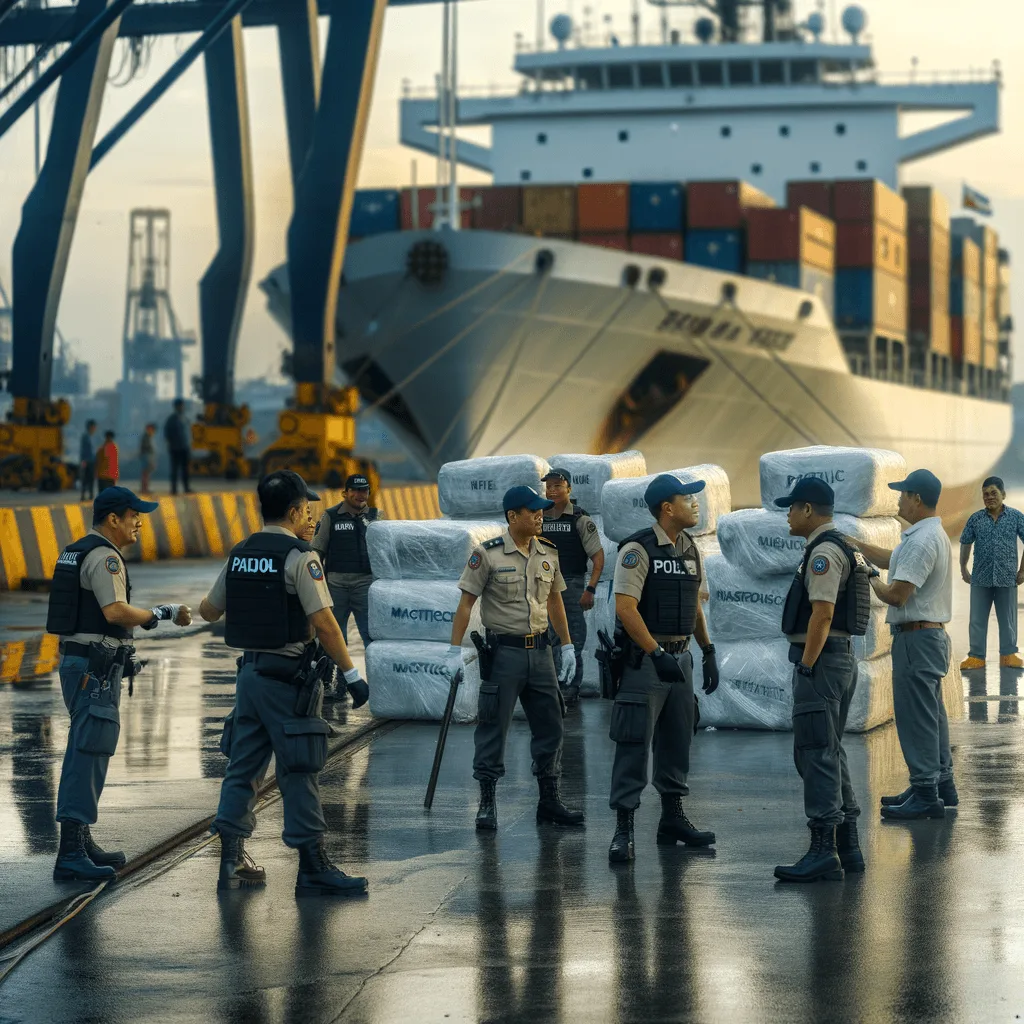
Here’s the play-by-play: On June 20, 2024, the U.S. Coast Guard announced its largest-ever offloading of seized illegal narcotics at Port Everglades, Florida. According to an official Coast Guard press release, cutters USCGC James and USCGC Venturous joined forces, returning with over 76,140 pounds of cocaine and cannabis nabbed during multiple busts in the Eastern Pacific and Caribbean Sea. The estimated black market value? A jaw-dropping $679 million. This major Coast Guard narcotics seizure was part of international coalition efforts, with the DEA and allied navies lending a hand.
Among the drugs intercepted, cannabis was seized alongside cocaine—a familiar combination on maritime smuggling routes. Coast Guard Commander Mark McShane emphasized, “We’re removing enormous quantities of harmful substances from the supply chain, protecting communities and saving lives.” The bust took place in a climate where Washington is ramping up its focus on international smuggling, but, as seen in recent national debates over the consequences of marijuana-impaired driving and evolving cannabis laws, even states with big legal cannabis economies see some federal enforcement priorities unchanged. News outlets like NPR and CNN quickly covered the event, noting both its size and the continued presence of cannabis in cross-border trafficking operations. The seizure cements the Coast Guard’s role as a leading actor at this intersection of drug enforcement, complex policy, and shifting public attitudes.
Expert Analysis: Insights on Enforcement, Stigma, & the Road Ahead
This mammoth Coast Guard narcotics seizure sends shockwaves beyond federal law enforcement bragging rights, it’s a gut-check for the cannabis industry and reform advocates. While record-setting interdictions highlight the risks of black-market supply chains and the involvement of criminal networks, let’s keep it real: not all that glitters is cannabis. The vast majority of this seizure was cocaine, and regulating cannabis actually undercuts illegal profits by taking sales out of the shadows. Cannabis industry advocate Shaleen Title points out, “When states legalize, the illicit trade shrinks, public health and safety go up. Federal prohibition only keeps the black market alive.” (MJBizDaily)
Right now, these seizures are a visible sign of patchwork policies colliding at sea. According to research by the Drug Policy Alliance, effective regulation, not just interdiction, is what keeps communities safe. The irony: as legal cannabis blossoms, much of the risk and criminalization persists due to outdated federal frameworks. Concerns over product safety, such as those raised after recent child poisoning incidents involving THC gummies, also illustrate the ongoing need for evidence-based policy rather than stigma-driven headlines. Cannabis stigmatization, and its association with hard drugs in media reports, keeps real, evidence-based conversations just out of reach for many policymakers. Every large-scale Coast Guard narcotics seizure is a wake-up call: it’s time for pragmatic, tested reforms, not just strong-arm tactics on the high seas.
Looking Forward: Evolving Policy, Legalization Wins, and Industry Growth
As the dust settles from this historic Coast Guard narcotics seizure, the path ahead is getting clear. Reform momentum is building, as more states report drops in black-market activity when they regulate cannabis with clarity and care. According to the Pew Research Center, public support for legalization has hit record highs, influencing Congress and enforcement agencies to rethink their priorities. While federal seizures like this grab headlines, ground-level progress in social acceptance and common-sense regulation is what’s truly shaping the cannabis future.
The cannabis industry, rooted in resilience and innovation, will keep rising above legacy obstacles. Each turn in the policy tide brings more transparency, stronger safety standards, and much-needed context to conversations about risk, benefit, and community wellness. For anyone passionate about reform, now’s the time to keep pushing for smart, balanced, and socially responsible cannabis laws. The seeds for positive change are planted—so let’s keep cultivating, from boardroom to budroom, until federal policy finally catches up with reality.
Originally reported by: news.uscg.mil