


Illegal Marijuana Grow Sequoia: Shocking Park Discovery
The conversation around cannabis is evolving, fast. Yet, illegal marijuana grow Sequoia discoveries—like the latest bust in Sequoia National Park—remind us the black market is far from extinct. As California’s legal market booms, shadowy grows in wild spaces create new headlines and old headaches. This story matters: it highlights the tug-of-war between regulation, enforcement, environmental damage, and the urgent push for reform. Large-scale illegal marijuana grow Sequoia operations aren’t just a crime issue—they reflect deeper market challenges, environmental impacts, and the very real tension between prohibition hangovers and today’s cannabis acceptance. Stick with me as we dig into what went down, why it matters, and how the industry can flip the script.
Understanding the Illegal Marijuana Grow Sequoia Phenomenon: Market Pressures and Enforcement Gaps
The illegal marijuana grow Sequoia saga isn’t just about outlaws dodging rangers. It flows from complex regulatory challenges, sky-high market demand, and an enforcement landscape struggling to keep pace. Legal cannabis sales in California hit $5.3 billion in 2022 (California Department of Food and Agriculture), but illicit growers still find ample incentive to operate. Tough taxes, patchwork licensing, and local bans stifle many would-be legal operators, while enforcement is hampered by rugged terrain and limited resources in places like Sequoia National Park. Socially, we’ve seen stigma drop and legal sales soar, yet the Los Angeles Times reports the unlicensed market outpaces legal supply in many regions. For rural lands, these illegal marijuana grow Sequoia sites mean environmental risks: toxic chemicals, deforestation, and damaged native ecosystems are all too common. The issue underscores why comprehensive cannabis reform, fairer taxation, and supply chain transparency are so urgent, especially as we witness the kinds of public health incidents that have raised concern about cannabis safety, like recent cases involving THC gummies affecting children.
Shocking Bust: Key Details from the Sequoia Illegal Grow Discovery
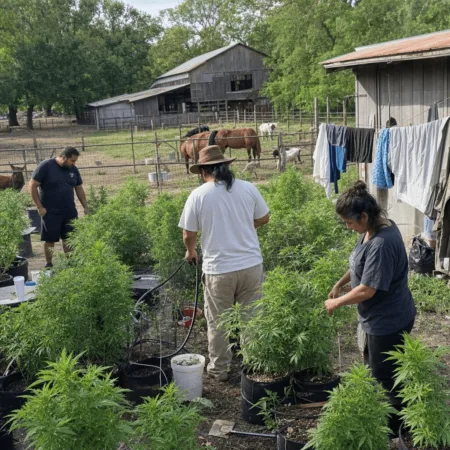
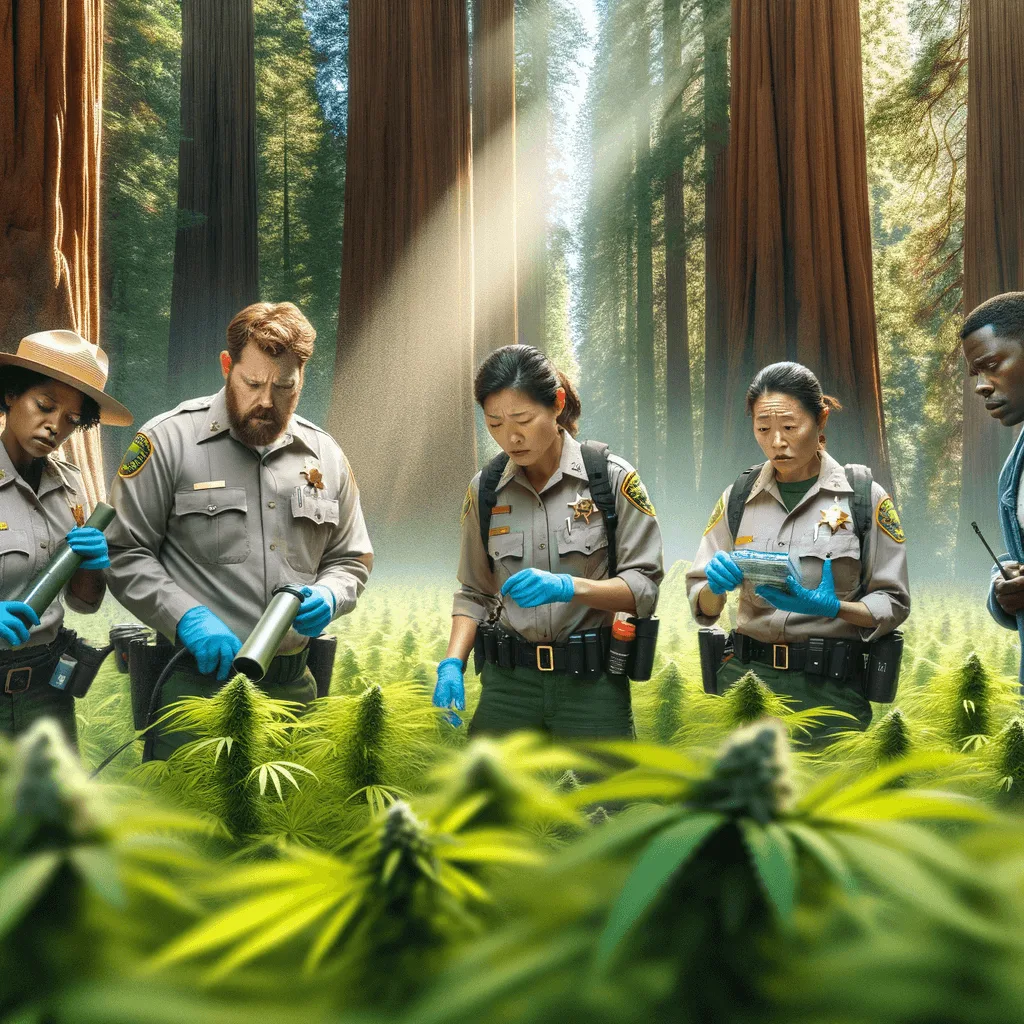
In early June 2024, park rangers at Sequoia & Kings Canyon National Park stumbled upon an illegal marijuana grow Sequoia operation sprawling across rugged canyons. According to LA Mag crime reporting, the bust revealed not just hundreds of plants but a disturbing stash of firearms and industrial-grade toxic chemicals—pesticides and rodenticides banned for decades due to their environmental harm. Rangers described elaborate makeshift irrigation, plastic waste strewn across streams, and cultivated plots hidden beneath thick canopies. Investigators found evidence tying the operation to larger criminal networks, but as with many illegal marijuana grow Sequoia cases, suspects fled before arrests could be made. The bust aligns with recent warnings from federal authorities who note illegal grows increasingly exploit public lands, posing major safety and environmental threats. The discovery is just the latest in a string of raids—National Park Service data show dozens of such operations exposed in the last year alone, reflecting enforcement debates seen in other regions, such as recent citations in Calvert City sparking controversy about cannabis enforcement.
Expert Cannabis Analysis: Why Illegal Marijuana Grow Sequoia Busted, and What It Means for the Industry
Cannabis analysts and advocates see the illegal marijuana grow Sequoia issue as a symptom of policy gaps, not simply criminal intent. As reported by MJBizDaily, California’s legal cannabis framework—with its sky-high excise taxes, complex bureaucracy, and inconsistent local permitting—directly fuels illicit cultivation. “When legal options are blocked by red tape or heavy taxes, people turn to cheaper, riskier methods,” explains Hilary Bricken, prominent cannabis attorney with Harris Bricken. She adds, “We need rational tax reform and access if we want to protect our parks and public health.”
If you think illegal marijuana grow Sequoia stories are rare, think again: U.S. Forest Service data shows hundreds of illicit grows discovered annually throughout California’s public lands. The environmental fallout is staggering—poisoned wildlife, polluted waterways, and restoration bills running into the millions. Industry experts point to successes in Oregon, where pragmatic regulation and community incentives slashed illegal grows by close to 60% (see Oregon Liquor and Cannabis Commission). The lesson? Proactive government, streamlined licensing, and tax alignment with reality are key. It’s a tough truth, but the cannabis movement can’t ignore illegal marijuana grow Sequoia news—it has to lead solutions. As Leafly’s Bruce Barcott put it: “We’re past the point of pretending prohibition works, smart regulation is how we end the cycle.” (Leafly). At the same time, this regulatory uncertainty reminds many of the confusion following significant recent events such as the Ohio marijuana card data breach, highlighting concerns over security and consumer protection.
Outlook and Solutions: From Illegal Marijuana Grow Sequoia Woes to Industry Reform
Despite sobering news, the future is bright for legal cannabis and environmental stewardship. The illegal marijuana grow Sequoia saga is driving real conversation about better laws and stronger ecosystems. California legislators are now eyeing streamlined licensing and fairer taxes—a move NORML reports could shrink the black market for good. Broader education, consumer advocacy, and cross-agency collaboration are on the rise. As public acceptance of cannabis shatters old taboos, lawmakers and industry pros are mapping a future where illegal marijuana grows become relics of an outdated era.
Optimism is baked into cannabis culture—after all, every movement faces setbacks before success. As new policies take root, fewer illegal marijuana grow Sequoia stories will dominate the news. Instead, we’ll see more stories about sustainable farms, environmental restoration, and thriving canna-businesses. Keep watching: this is a pivotal moment, and if history is any guide, the cannabis community will rise to the challenge—just as it always has. For more on legal reform and market impacts, see up-to-date coverage at Marijuana Moment.
Originally reported by: lamag.com