



THC Gummy Child Poisoning: Alarming Case Triggers Arrest
These days, with cannabis edibles lining dispensary shelves and making headlines, safety is under the spotlight like never before. The recent THC gummy child poisoning incident in North Carolina is making waves—and not the chill kind. This isn’t just another story; it’s a wake-up call for parents, the cannabis community, and regulators. We’ll break down what went wrong, the lessons learned, and how the industry can evolve to prevent more kids from accidental overindulgence.
Understanding the Landscape: Cannabis, Edibles, and Childhood Safety
The expansion of the legal cannabis market has changed the game, but it’s brought new responsibilities. Lawful access to products like THC gummies makes life easier, and tastier, for adults, but also increases accidental risk for curious kids. According to the CDC, there’s been a sharp uptick in accidental edible exposures among children nationwide since legalization rolled out in multiple states. In simple terms: more gummies, more chances for a little one’s hands to wander where they shouldn’t.
State regulations now require child-proof packaging and clear labeling, but standards can vary wildly. North Carolina, where this latest THC gummy child poisoning unfolded, doesn’t even have legal adult-use cannabis. That’s a recipe for confusion and inconsistency, as unregulated products flood in from elsewhere. According to an analysis by NORML, even mature markets sometimes lag in education campaigns and clear warning labels, which leaves both parents and kids vulnerable. Recent debate around statewide product bans highlights how uneven regulations continue to impact consumer safety and access.
All the Details: The Davidson County THC Gummy Child Poisoning Incident
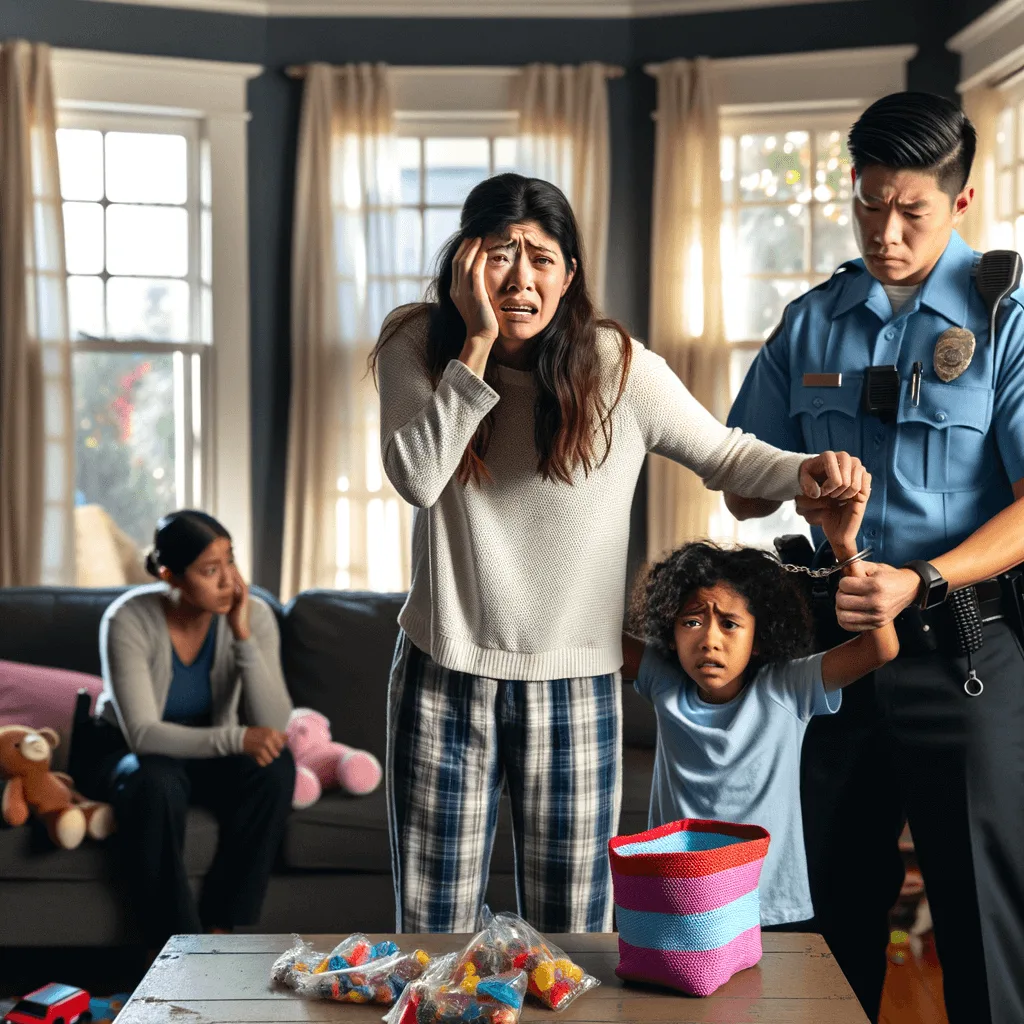
So, what happened in Davidson County that’s got everyone talking? According to WXII12 News, a mother was arrested after her 11-year-old daughter was found unresponsive late at night in their home. Investigators say the child had ingested a significant quantity of THC gummies, resulting in a medical emergency that could have turned tragic.
The incident took place in early June 2024, putting a glaring spotlight on THC gummy child poisoning risks. Paramedics responded and rushed the child to a medical facility. Thankfully, the child survived, but the consequences were heavy. The mother now faces criminal charges, including felony child abuse and contributing to the delinquency of a minor. As reported in the charging documents and confirmed by local law enforcement, the THC gummies involved were not purchased through a legal channel. This points again to the unregulated gray market where labeling, potency, and safety measures are often nonexistent, much like the risks revealed when a California cannabis vape recall made national headlines for exposing gaps in product safety standards.
This isn’t an isolated event. Multiple national outlets, such as NBC News, report increasing incidents of kids ingesting cannabis edibles, especially those that look like regular treats. Legal ambiguity, a patchwork of enforcement, and a lack of rigorous public education all contribute to these dangerous mix-ups.
Expert Cannabis Analysis: Lessons, Solutions, and Honest Real Talk
Let’s be real: nobody in the cannabis community wants to see a child harmed. The THC gummy child poisoning incident isn’t just an outlier, it’s a sobering reminder for everyone. As the Leafly team notes, responsible packaging design “should make access virtually impossible for children, yet convenient for adults.” And are we there yet? Not always.
Most bona fide cannabis professionals will tell you, education is everything. Dr. Peter Grinspoon, Harvard Medical School instructor and a respected voice in the field, put it perfectly: “The real problem isn’t cannabis, it’s accessibility and a lack of proper safety protocols for edibles in households with kids.” (Harvard Health Blog).
As the cannabis industry matures, we’re seeing stronger pushes for universal standards, child-resistant resealable bags, distinct labeling (no more cartoon bears!), and active parent education programs. Many states have tackled this head-on, but others lag. A big part of the solution? Empowering consumers and caregivers with the info they need, instead of demonizing the plant itself. Bringing marketing mastery and renewed focus on public education, recent industry events are elevating safety conversations for parents and consumers alike. Transparency, commonsense precautions, and clear laws go further than fear-mongering.
Looking Forward: Progress, Responsibility, and a Safer Cannabis Future
One high-profile THC gummy child poisoning case shakes a community, but shouldn’t define an entire industry. As more states legalize and regulate, the cannabis world is embracing accountability and growth. National organizations such as Americans for Safe Access are doubling down on safety training, public information, and best practices for preventing accidental exposure.
The lesson here isn’t to abandon edibles, but to advocate for smarter policies, safer packaging, and real talk about responsibility. Cannabis isn’t going away—in fact, it’s only gaining ground in the worlds of wellness, medicine, and recreation. As regulators, producers, and advocates work together, the frequency of THC gummy child poisoning incidents can go down, making the industry even stronger and more welcoming. With every lesson learned, we help ensure the next chapter of cannabis comes with more knowledge, more smiles, and far fewer scares.
Originally reported by: wxii12.com