Texas THC Legislation Special Session: Shocking Legal Moves
Right now, the air in Texas is hotter than a midsummer smoke sesh—and not just because of the weather. We’re seeing major buzz around the Texas THC legislation special session, as lawmakers scramble to address the wild legal tangle surrounding cannabis. From unexpected legal pivots to flood relief negotiations stealing the stage, this session is driving key discussions on policy, public health, and the future of hemp-derived THC products. Whether you’re a dispensary owner, connoisseur, or simply THC-curious, this moment is one to watch. Let’s break down why this Texas THC legislation special session is the real talk of the Lone Star State right now.
Background: The Evolving Texas THC Landscape
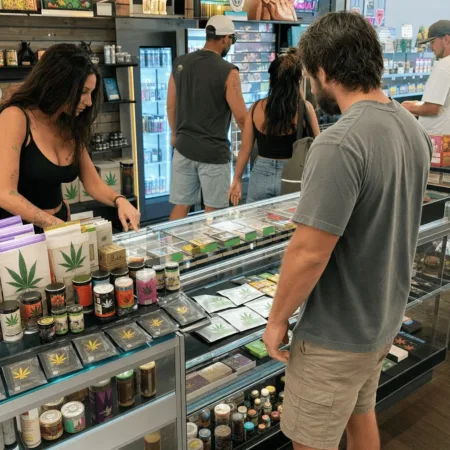
To really grasp what’s happening with the Texas THC legislation special session, you have to know where Texas started. For years, Texans faced some of the toughest cannabis laws in the nation. Medical cannabis is available only for a very limited set of qualifying conditions under the Texas Compassionate Use Program (Texas Department of State Health Services). Recreational use? Still illegal. But there’s a twist: after the 2019 Farm Bill opened the doors to legal hemp (The Texas Tribune), hemp-derived cannabinoids like Delta-8 and Delta-9 hit store shelves statewide. That loophole lit up new gray areas around THC, drawing business innovation, lawsuits, and serious policy debates. As hemp shops boomed, high-profile law enforcement actions—like recent cash seizures in other states—have added fuel to debates over consumer safety and the intent of such laws. Heading into the Texas THC legislation special session, the lines between hemp, cannabis, and public interest are, well, a little hazier than a packed hot box.
Key Developments & Issues: What’s Going Down in Austin?
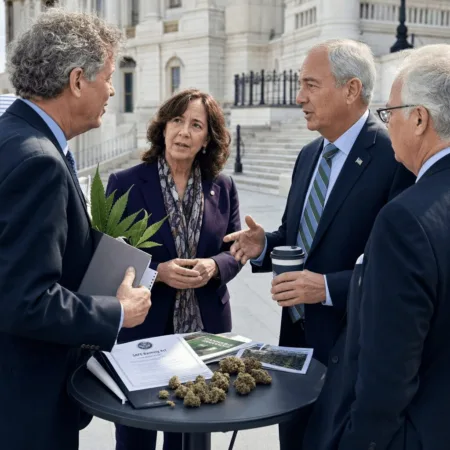
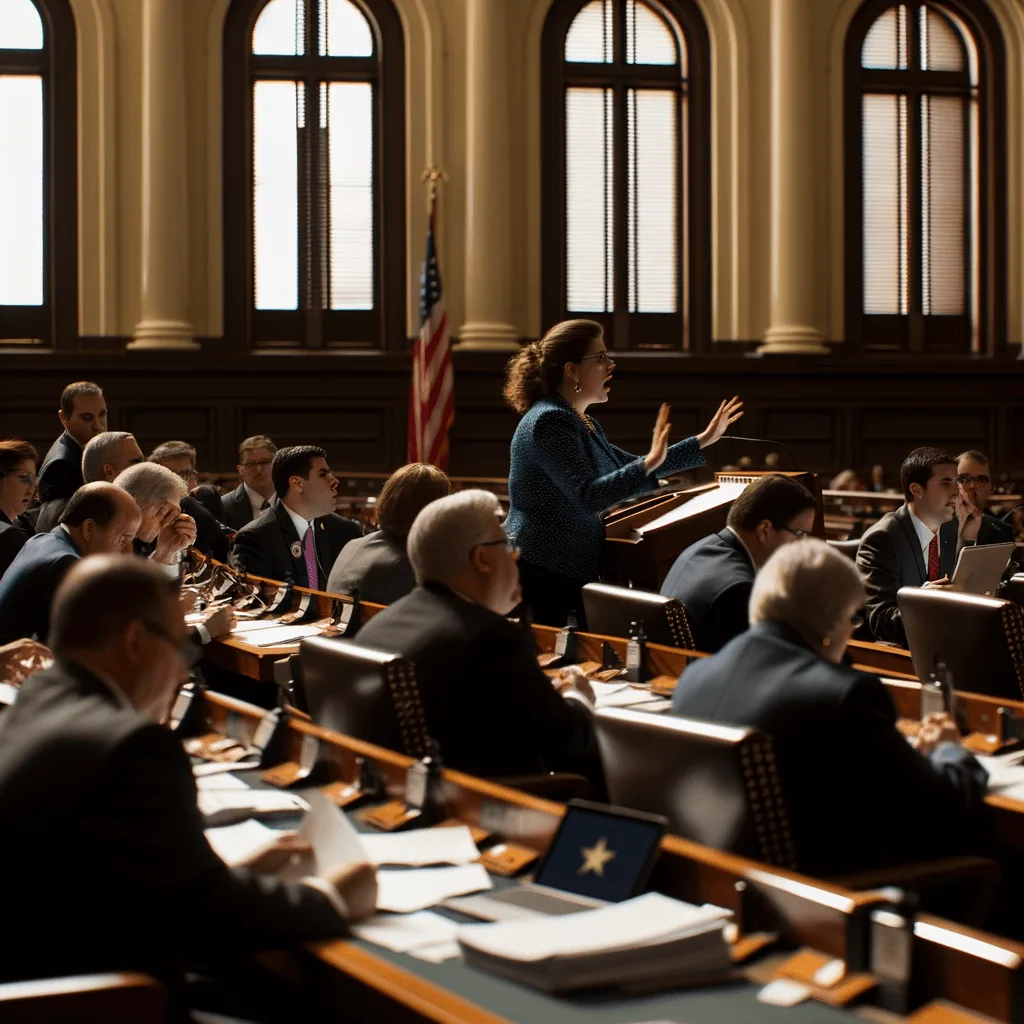
The Texas THC legislation special session kicked off with plenty of fireworks. Lawmakers urgently reconvened after THC-infused products flooded Texas markets, riding the same procedures that sped flood relief efforts. According to a recent news report from KHOU 11, the debate centers on closing loopholes that have kept low-THC hemp products widely available. Governor Greg Abbott called the session, linking it to disaster relief priorities but spotlighting what he calls a “public health emergency” over unregulated THC sales.
As of June 2024, legislative proposals target Delta-8 THC, Delta-9 hemp derivatives, and new synthetic cannabinoids. Some lawmakers want a full ban; others aim to set clear-cut potency or age limits. The Texas Department of State Health Services (DSHS) testified that untested products often dominate convenience shelves, increasing risks for youth. Industry leaders like Texas Hemp Growers have fired back, arguing that new bans would devastate local businesses and push sales underground. During the session, lawmakers also referenced major debates in other states about the conflict between updated cannabis laws and existing enforcement, mirroring challenges seen in Massachusetts. Retailers, patients, and advocacy groups all packed the hearings, making sure every side had a voice. Still, most Texans—including law enforcement—admit they need clearer, workable guidelines fast.
Expert Analysis & Insights: Industry Reactions to the Texas THC Legislation Special Session
So, what’s the real deal for cannabis in the Lone Star State? This Texas THC legislation special session might be the biggest shake-up to the state’s cannabis policy since hemp was legalized. Like a bowl passed around a massive session, everyone has an opinion. Industry analysts say tightening laws could shrink a market that now exceeds $2.5 billion in annual sales (MJBizDaily). There is concern among local businesses that tighter restrictions and potential tax increases could drive THC product sales underground, similar to trends observed in states like Minnesota. Meanwhile, big medical cannabis operators watch from the sidelines, eager for clearer guardrails and new business opportunities.
According to Dr. Ethan Russo, a top cannabis researcher, “When lawmakers move too quickly or without clear evidence, patients and responsible consumers pay the price” (Leafly). Advocates argue that regulating and testing—not outright bans—protects consumers far better. The national market is shifting, with more states embracing data-driven regulation over zero-tolerance policies (see NORML’s policy map). For Texas lawmakers, the challenge is crafting sensible laws that balance business, safety, and freedom, without driving THC further underground.
Future Outlook & Conclusion: Where Does Texas Go from Here?
As the smoke clears from the Texas THC legislation special session, one thing is crystal: the conversation isn’t ending anytime soon. Whether lawmakers pass tighter regulations or leave loopholes open, Texas is at a crossroads. Overregulation could stifle innovation and local business, but open sales without oversight risk public trust. The most likely future? A slow, steady climb toward responsible regulation, robust testing, and greater acceptance—as seen in states like Colorado, Illinois, and Oklahoma (Cannabis Business Times). The Lone Star State is notorious for doing things its own way, so expect more debate, more industry creativity, and, eventually, a legal model tailored for Texans. One thing’s for sure: the Texas cannabis conversation is sparking up for the long haul, and everyone—from patients to entrepreneurs—should stay tuned as this chapter unfolds.
Originally reported by: khou.com