


Colorado Psilocybin Pardons: What You Need to Know Now
Change is in the air, and it’s not just the scent from a new strain hitting Denver dispensaries. Colorado psilocybin pardons are making major headlines, signaling a serious shift in how legal systems and the public view psychedelic substances. With reform accelerating post-2020 and broader drug policy conversations erupting nationwide, these potential pardons could transform the landscape for thousands with minor mushroom-related offenses. Whether you’re an advocate for criminal justice reform, a curious consumer, or just love watching big moments in cannabis crossover, here’s why Colorado’s psilocybin pardon movement matters so much right now.
The Road to Reform: Legal and Social Background
Colorado has long been recognized for innovative drug policies, famously legalizing cannabis in 2012. Recent years have seen decriminalization of natural psychedelics like psilocybin, notably with Denver’s 2019 initiative. The state expanded its stance in 2022 by passing the Natural Medicine Health Act, which aims to regulate psychedelic therapy for adults. Prominent organizations, such as the Drug Policy Alliance, highlight how these reforms reflect growing public support for ending criminal penalties for drug use and prioritizing public health over punishment. Industry watchers, including Leafly, suggest the move is rooted in the state’s broader embrace of harm reduction, equity, and a deeper reevaluation of prohibition-era laws. Socially, there’s a renewed push toward restorative justice, especially for Black and Latino communities disproportionately affected by earlier crackdowns on controlled substances. If Colorado psilocybin pardons expand, they could redefine not just criminal records, but lives across the state.
Inside the Colorado Psilocybin Pardons Push: Key Developments & News
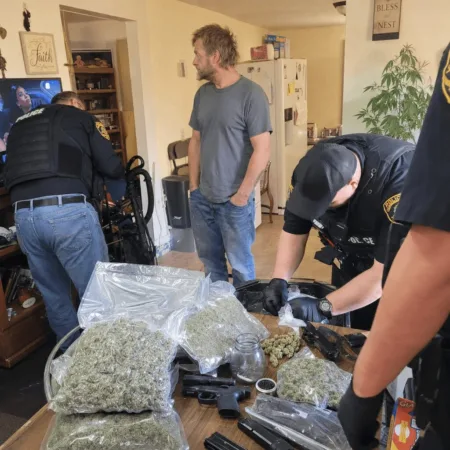
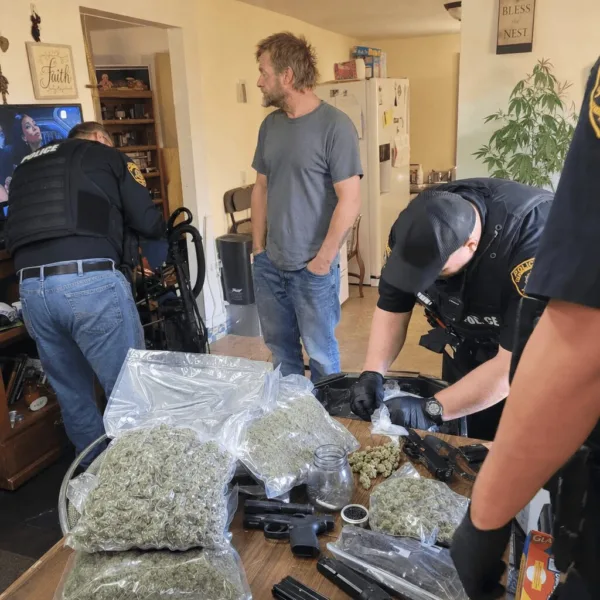
The conversation around Colorado psilocybin pardons heated up this year, with state legislators and advocates working to broaden the eligibility criteria for mass pardons related to psilocybin offenses. In 2023, Colorado’s Department of Public Safety began reviewing old mushroom-related convictions as part of a larger movement sparked by the passage of Proposition 122. According to Westword, leaders are considering mechanisms similar to the automated pardons seen for cannabis offenses after legalization. Governor Jared Polis’s administration is actively discussing avenues to potentially clear thousands of records with nonviolent psilocybin convictions. The Colorado General Assembly debated a bill in May 2024, proposing expanded automatic pardons for convictions dating back to 2000. Lawmakers cited changing public opinion, referencing recent Pew Research polls showing over 60% of Coloradans now support wider drug decriminalization. While official pardons haven’t yet rolled out, advocates like Natalie Lyla Ginsberg — policy director at MAPS — argue broad-scale record relief is essential for equity, social justice, and public safety. Several pilot projects in Denver courts aim to streamline the expungement process, sparking optimism among reformers and caution among traditional law enforcement lobbyists. As these dialogues heat up, all eyes turn to the Governor’s desk for what could be a game-changing executive order.
Expert Analysis: Why Colorado Psilocybin Pardons Are a Big Deal
Let’s not sugarcoat it: badges from past shroom busts are keeping thousands from jobs, housing, and full participation in Colorado’s green, thriving culture. By moving towards automatic Colorado psilocybin pardons, the state is tackling more than just outdated laws — it’s opening doors for economic empowerment and personal freedom. Cannabis industry leaders compare this to cannabis expungement drives post-legalization, calling it ‘a necessary evolution.’ According to Leafly’s 2023 Cannabis Jobs Report, expungement increases job access and boosts taxable local economies. As Dr. Carl Hart, professor of neuroscience at Columbia University and noted harm reduction advocate, states, “We should not deprive people of opportunities just because of past behavior the state now recognizes as non-criminal.” Lawmakers, economists, and public health experts alike argue reform is smart governing, not just good vibes. It’s also a signal that Colorado is determined to align policy with cutting-edge research, such as Johns Hopkins’ studies on psilocybin’s therapeutic benefits. Legal analysts at the National Organization for the Reform of Marijuana Laws believe broader pardons will expedite legitimate access to psychedelic therapy and benefit the entire cannabis-adjacent industry by reducing historic stigma. And let’s be real — nothing says ‘mature market’ like allowing folks to come out from under the shadow of ancient convictions.
The Road Ahead: Hope, Healing, and Cannabis Community Growth
Looking forward, the potential for Colorado psilocybin pardons to usher in a new age of justice and inclusion has the whole cannabis and psychedelics scene buzzing. If policymakers implement these changes, Colorado could set fresh legal precedents for psychedelic substances nationally. According to recent Pew Research Center findings, Americans’ support for decriminalization and pardoning is at an all-time high. That cultural tide raises all boats — cannabis included. Long term, broader pardons support economic recovery, social cohesion, and the normalization of plant medicines. As advocates focus on implementation and outreach, the cannabis community stands ready to welcome formerly excluded individuals back into the fold. Colorado’s journey proves again: progressive, compassionate policy isn’t just a buzzword — it’s a legacy in motion.
Originally reported by westword.com