Shocking U-Haul Marijuana Mushroom Bust Exposes Hidden Trade
The headlines are lighting up once again, and this time it’s about a U-Haul marijuana mushroom bust that’s got both mainstream media and seasoned industry pros buzzing. With legal weed sweeping the nation and psychedelic reform gaining steam, controversies like this underscore the tension between old-school prohibition and the new, regulated green economy. If you’re keeping your ear to the ground, you know these stories have an impact. They influence public perception, drive regulatory debate, and shed light on the evolving cannabis and mushroom industries. Let’s dig in and unpack why the U-Haul marijuana mushroom bust matters, what went down, and what’s next for cannabis advocates everywhere.
The Shifting Landscape: Regulatory, Legal, and Market Background
The U-Haul marijuana mushroom bust did not arise in a vacuum. We are living in a nation where cannabis is legal in 24 states for adult use and medicinal marijuana is widely accepted—not to mention psychedelics making mainstream breakthroughs. But according to the National Conference of State Legislatures, federal legality remains a serious obstacle, especially across state lines and in the Deep South. Florida, where the bust took place, maintains strict prohibitions on psilocybin mushrooms and still enforces significant restrictions on cannabis possession outside licensed dispensaries. Meanwhile, industry reports from MJBizDaily highlight booming demand and an underground market still thriving in prohibition-heavy regions. These trends create risky scenarios where grassroots “entrepreneurs” get creative—sometimes too creative for the law to handle. Social acceptance is rising, but patchwork laws mean enforcement remains uneven, and moments like the U-Haul marijuana mushroom bust thrust these contradictions into the spotlight.
Key Developments: The U-Haul Marijuana Mushroom Bust on I-275
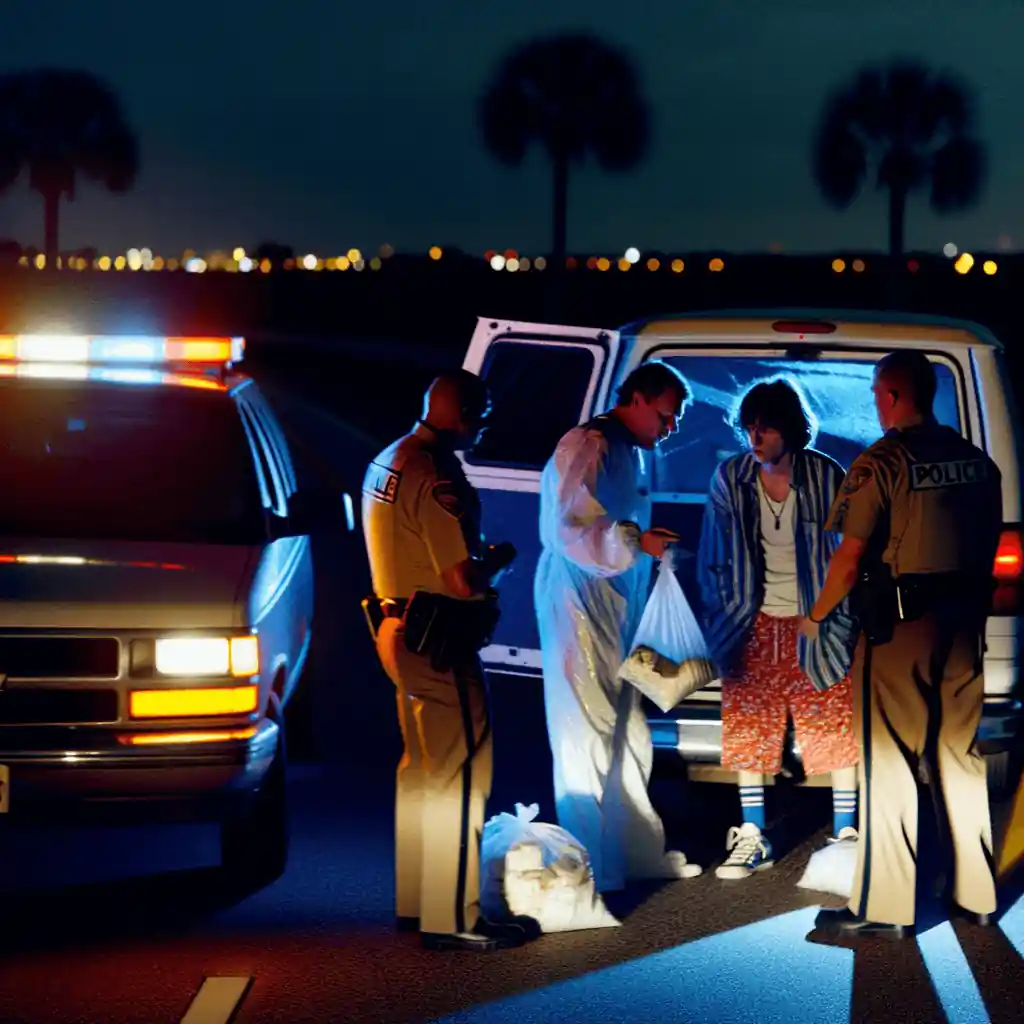
Let’s walk through the latest facts. According to recent coverage by CBS12 News, the incident happened on August 9, 2025, along Florida’s I-275. Officers pulled over a U-Haul truck for a routine traffic stop. What started as a minor highway infraction quickly escalated into a full-scale narcotics investigation. Investigators discovered what can only be described as a mobile cultivation setup: over 89 pounds of magic mushrooms, marijuana plants, fertilizer, grow lights, and even a loaded pistol. Authorities say the entire truck was basically a rolling cannabis-and-mushroom farm. Police allege these operations were intended for black-market distribution, raising the stakes for both the accused and the regulatory community alike. The U-Haul marijuana mushroom bust made immediate local headlines, and major publications—from broadcast news to specialty cannabis outlets—picked up on the story. Legal experts note that charges could include intent to distribute, possession of a controlled substance (for both cannabis and psilocybin), and firearms violations, as outlined by the Florida Statutes on Controlled Substances. The event is now stirring debate over whether current criminal codes are outdated amidst the changing national landscape.
Expert Analysis: What This Bust Signals for Cannabis and Psychedelic Reform
The U-Haul marijuana mushroom bust is more than just a headline—it’s a signal flare illuminating the disconnect between new social realities and old legal frameworks. In recent years, the normalization of cannabis and decriminalization of psychedelics has been trending, with reports from Filter Magazine showing a steady increase in public support for reform. However, when regulations lag, clandestine activity fills the void, leading to high-profile busts like this one. Industry voices point to the damaging effects of prohibition. As Dr. Amanda Reiman, a policy expert and author at New Frontier Data, remarked, “When prohibition outweighs access, innovation goes underground. Lawmakers need to catch up with science and reality.” The U-Haul marijuana mushroom bust reinforces the urgent call for smarter, evidence-based laws, better access to safe legal markets, and regulatory consistency. Analysts note that as long as the regulatory patchwork exists, enforcement will remain arbitrary and public safety goals will get complicated by criminalization, not clarity. Veteran industry observers point to similar cases—like California’s gray market grows and Oregon’s pioneering legalization—as case studies on what happens when legal supply doesn’t meet real-world demand. The sector waits and watches for regulatory bodies to bridge the gap, hoping for pragmatic reforms that encourage compliance rather than evasion.
Looking Ahead: Lessons from the U-Haul Marijuana Mushroom Bust
The fallout from the U-Haul marijuana mushroom bust will shape the evolving cannabis and psychedelic scene for years to come. If we take anything from this story, it’s that safe access and realistic laws are better for everyone—consumers, communities, and law enforcement. With public opinion shifting steadily, industry leaders and advocates look to states like Colorado and Oregon for proven examples. As cited by the Leafly Policy Center, clear regulations and legitimate markets drive down illicit activity and raise public safety. The conversation is moving forward, and with every story—bust or breakthrough—the push for sensible decriminalization and responsible regulation gains momentum. Expect more headlines, more heated debates, and, hopefully, more wins for the regulated cannabis community in the years ahead.
Originally reported by cbs12.com