


Menominee Cannabis License Pause: What You Need to Know Now
The Menominee cannabis license pause is taking center stage just as local and regional cannabis markets are heating up. With state-level legal battles and fresh retail investments sparking across Michigan and neighboring states, everyone’s watching to see how smaller municipalities handle licensing. Why does the Menominee cannabis license pause matter? It’s a pivotal moment for local entrepreneurs, eager consumers, and the future regulatory framework. Below, I’ll walk you through the crackdown, the context, the stakes for business owners, and why everyone from industry veterans to rookies should pay attention.
The Regulatory Roots: Local Laws Meet National Momentum
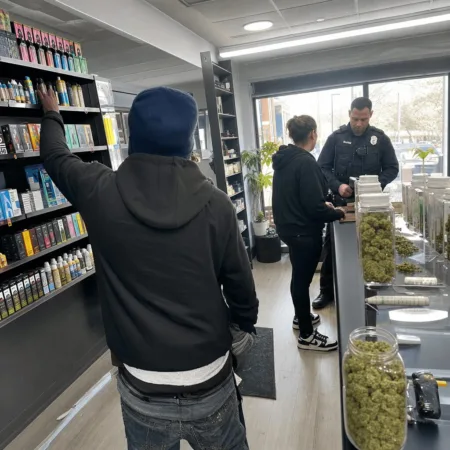
Let’s talk shop: cannabis has come a long way since the days of prohibition. As of 2024, Michigan’s recreational and medical cannabis market is among the fastest growing in the U.S., according to Michigan Cannabis Regulatory Agency. But progress isn’t always smooth. Local governments, like the one in Menominee, have authority to regulate dispensary licenses in their cities, causing plenty of debate about fairness and oversupply. Historically, such licensing pauses are used by municipalities to clarify zoning rules, address lawsuits, or prevent rapid saturation (MJBizDaily reports). Right now, demand is sky-high, but uncertainty persists as towns try to balance new tax revenue with neighborhood concerns. The Menominee cannabis license pause joins a string of similar pauses around the Midwest, as more cities weigh their options and community impact.
What’s Going Down: The Key Developments in Menominee
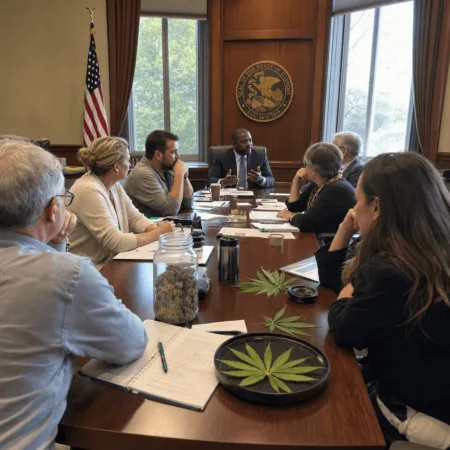
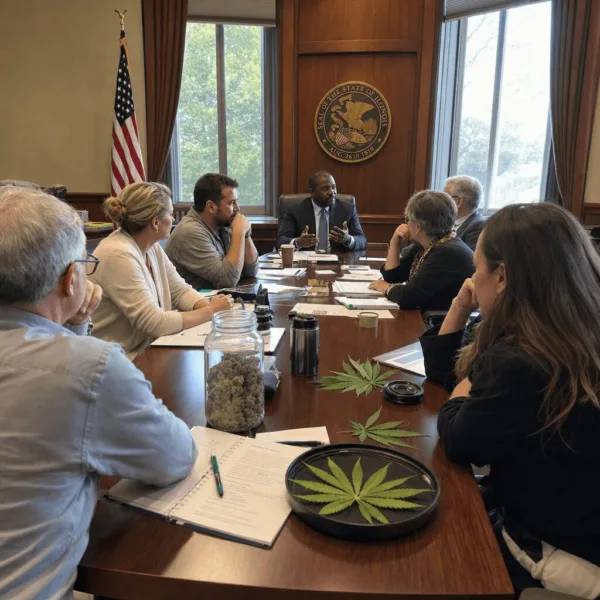
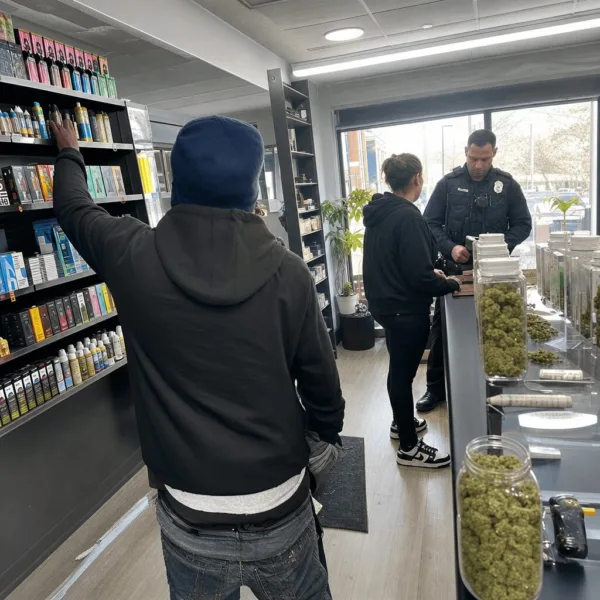
In late May 2024, Menominee saw a major legal shakeup. Puff Cannabis, a leading retailer with stores statewide, found its local business hopes put on ice. Judge Mary B. Barglind intervened, issuing a ruling that temporarily halts the issuance of new cannabis licenses, per local court filings. The court’s decision responds to a lawsuit filed by several competing applicants alleging irregularities in the city’s license award process. Specific complaints cite lack of transparency, possible favoritism, and insufficient public input. The pause, while temporary, immediately froze operations for Puff Cannabis and all pending applicants. CEO Justin Elias, visibly caught off guard, expressed frustration but pledged to cooperate, seeing it as part of “the process that comes with being an early player in emerging markets.” City officials claim the litigation is about ensuring fairness and legal compliance—both for local business and residents. Licensing pauses aren’t new in cannabis, but few have this much potential to reshape a small city’s economic trajectory or set legal precedent for the state.
Expert Analysis: What This Means for Cannabis & Local Businesses
Let’s get real for a second: licensing pauses stir up some serious headaches. But if you’ve traveled in cannabis circles, you know these stops are often growing pains. Menominee’s situation isn’t unique, but it is especially sticky because local entrepreneurs are left hanging in limbo, while established out-of-state players like Puff Cannabis try to plant their roots. According to Leafly News, over 50 U.S. towns have faced lawsuits over cannabis licensing since 2020, most citing issues like transparency and process fairness.
As industry consultant Heather Haskell told Cannabis Business Times, “Local cannabis licensing always brings passionate debate—it’s proof of how much the industry matters to regular people and how high the stakes are for small towns.
At a macro level, analysts point out that every pause like this reflects a maturing market struggling to find its “just right” size. Legal wrangling is a rite of passage; it’s messy, sometimes unfair, but it’s how long-term balance gets built. Industry veterans know: patience, persistence, and good lawyering are as essential as quality bud in this business.
Looking Forward: New Growth from the Menominee Cannabis License Pause?
So, what’s on the horizon? Most industry watchers believe the Menominee cannabis license pause will force clearer rules and increase future transparency, not just in Menominee but regionally. Regulatory hurdles are a headache, but they’re also why most experts think the cannabis industry will emerge smarter, fairer, and more sustainable. According to Forbes, tightening local rules often means stronger businesses succeed and consumers benefit from better standards. Optimism is high that Menominee, along with other towns navigating similar waters, will pave the way for a thriving, socially responsible cannabis future. Keep it tuned—this pause may just be the reset needed for real industry growth.
Originally reported by ehextra.com