

California Cannabis Seizures: Unprecedented Crackdown Revealed
It’s no secret the Golden State is at the epicenter of US cannabis culture—but all eyes are on California cannabis seizures after an eye-popping sweep made headlines this week. Whether you’re a policy nerd, legacy grower, or microdoser, this latest crackdown has far-reaching implications, spotlighting the wild see-saw action between legalization, market growth, and an entrenched illicit trade. Let’s break down how these California cannabis seizures are shaking up the industry and what it might mean for those banking on a greener, fairer future in the state.
The Roots of Risk: Background & Context
California’s cannabis scene is iconic—think Emerald Triangle, Venice dispensaries, and legacy Kush—but state regulators have always struggled to keep chaos out of the legal market. While California fully legalized adult-use cannabis in 2016 through Proposition 64, the shadow of prohibition lingers. State agencies like the California Department of Cannabis Control (DCC) and the Bureau of Cannabis Control have played hardball against unlicensed grows, citing threats to public safety, lost tax revenue, and environmental damage. According to the Los Angeles Times, the illicit market still dwarfs legal sales in some regions. Sky-high taxes, local bans, and complex regulations push many smaller operators underground. That’s why California cannabis seizures have become—for better or worse—a central pillar of the state’s response. National Council of State Legislatures data shows that California faces a tougher enforcement challenge than virtually any other legal state. Years after legalization, the regulatory minefield, limited retail access, and slow equity progress remain hot-button issues.
Major Moments: Key Developments & Issues in California Cannabis Seizures
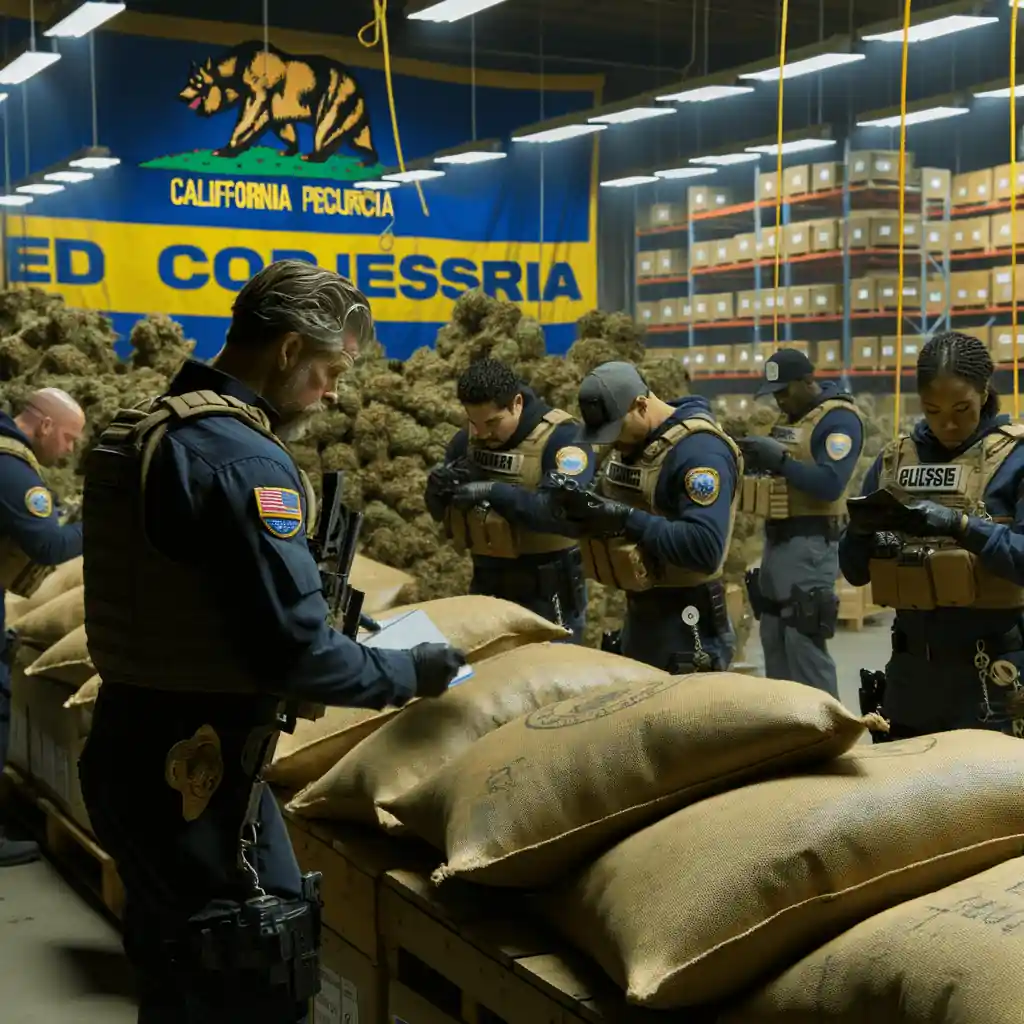
This summer, California authorities dropped the hammer with a historic surge in enforcement. According to the Governor’s Office, since January 2025 alone, state agencies have seized nearly $480 million worth of illicit cannabis products. That’s not your average backyard grow sweep: this includes massive operations raided across counties like Mendocino, Riverside, and Los Angeles, and involves coordination between the DCC, California Highway Patrol, and local sheriffs. This multi-agency blitz targeted farms operating without proper licensing, illegal store fronts, and distribution networks linked to organized crime. Enforcement also snagged dozens of tons of processed flower and THC concentrates, plus cash and weapon stockpiles. Major industry names haven’t been publicly implicated, but mid-sized brands caught up in the gray market have reportedly been hit hard. These actions build on a trend established in 2024 when, according to Marijuana Moment, state-level seizures surged more than 30% compared to the previous year. Officials point to public safety and environmental protection as leading motivators, citing illegal pesticide use, water theft, and severe noncompliance. Meanwhile, lawmakers and advocates stress that unless legal pathways become more accessible, high-profile California cannabis seizures will remain a headline-grabbing but ultimately band-aid solution.
Real Talk: Expert Analysis & Industry Insights
Let’s get real: these California cannabis seizures look impressive on paper, but the reasons run deeper than what’s on the nightly news. As Dr. Amanda Reiman, a respected cannabis policy researcher, notes: “Crackdowns are a symptom, not a cure. Until the state fixes access, taxes, and equity, we’ll keep chasing our tails.” (Filter)
Industry insiders know that high-profile enforcement makes headlines but rarely dismantles the underground economy for good. Many small growers, especially from legacy communities, cite oppressive regulations and high compliance costs as main reasons they stay unlicensed. According to data from Headset, unlicensed sales still comprise up to 60% of the state’s cannabis transactions. That’s not just revenue loss; it’s a sign of a broken system. Enforcement pressure can squeeze out bad actors, but without repainting the legal landscape—lowering taxes, unlocking more retail licenses, and funding real social equity—it’s whack-a-mole.
Larger legal operators privately grumble about the uneven playing field. As one California dispensary owner shared with LA Post Examiner: “We want enforcement, but we want reforms more. Otherwise, nobody wins.” Add in the impact on medical patients and rural communities—and it’s clear the crackdown is only half the story.
What’s Next? Outlook & Hope for California’s Cannabis Industry
Despite the turmoil, California cannabis seizures might just spark overdue progress. There’s a growing recognition among regulators, business leaders, and advocates that enforcement alone won’t build the inclusive, thriving legal market Californians voted for back in 2016. According to the Cannabis Business Times, 2025 could be a turning point if the state pairs crackdowns with deep regulatory reform—think tax relief, improved licensing, and meaningful small business support. Public opinion keeps warming, as confirmed by Pew Research. Social equity voices are rising and lawmakers are (finally) listening. Ultimately, these headline-grabbing California cannabis seizures reveal a market in transition—with innovation, social change, and straight-up hustle driving the next chapter of the state’s cannabis evolution.
Originally reported by gov.ca.gov