Franklin County Marijuana Bust: Shocking Grow Operation Found
The recent Franklin County marijuana bust has the cannabis community—and the wider public—buzzing with concern and questions. As legal cannabis continues its march toward mainstream recognition, every headline-grabbing raid like this one in Franklin County stirs emotions and debates. The relevance? It’s not just about law enforcement; it’s about evolving public opinion, economic realities, and the ongoing clash between outdated regulations and modern acceptance. This story dives into the latest bust, its broader impact on the cannabis landscape, and what it reveals about our rapidly changing relationship with the plant.
Regulation, Social Shifts, and the Cannabis Market
To understand the Franklin County marijuana bust, it’s key to know where the industry stands today. Cannabis remains a patchwork issue in the United States: federally classified as a Schedule I substance, yet increasingly decriminalized and legalized at the state level for both medical and recreational use. According to the Pew Research Center, around 88% of Americans now support some form of legalization. Despite this overwhelming shift, states like Indiana—where Franklin County sits—maintain strict prohibitions. The market, meanwhile, is already massive: legal U.S. cannabis sales topped $26 billion in 2022, but black-market operations persist where supply doesn’t meet demand or regulation lags, as noted by MJBizDaily. As public support surges, incidents like the Franklin County marijuana bust lay bare the tension between old laws and new norms. Social stigma still lingers, but industry voices, health experts, and economic analysts increasingly call for reform and education instead of criminal crackdowns.
Major Developments in the Franklin County Marijuana Bust
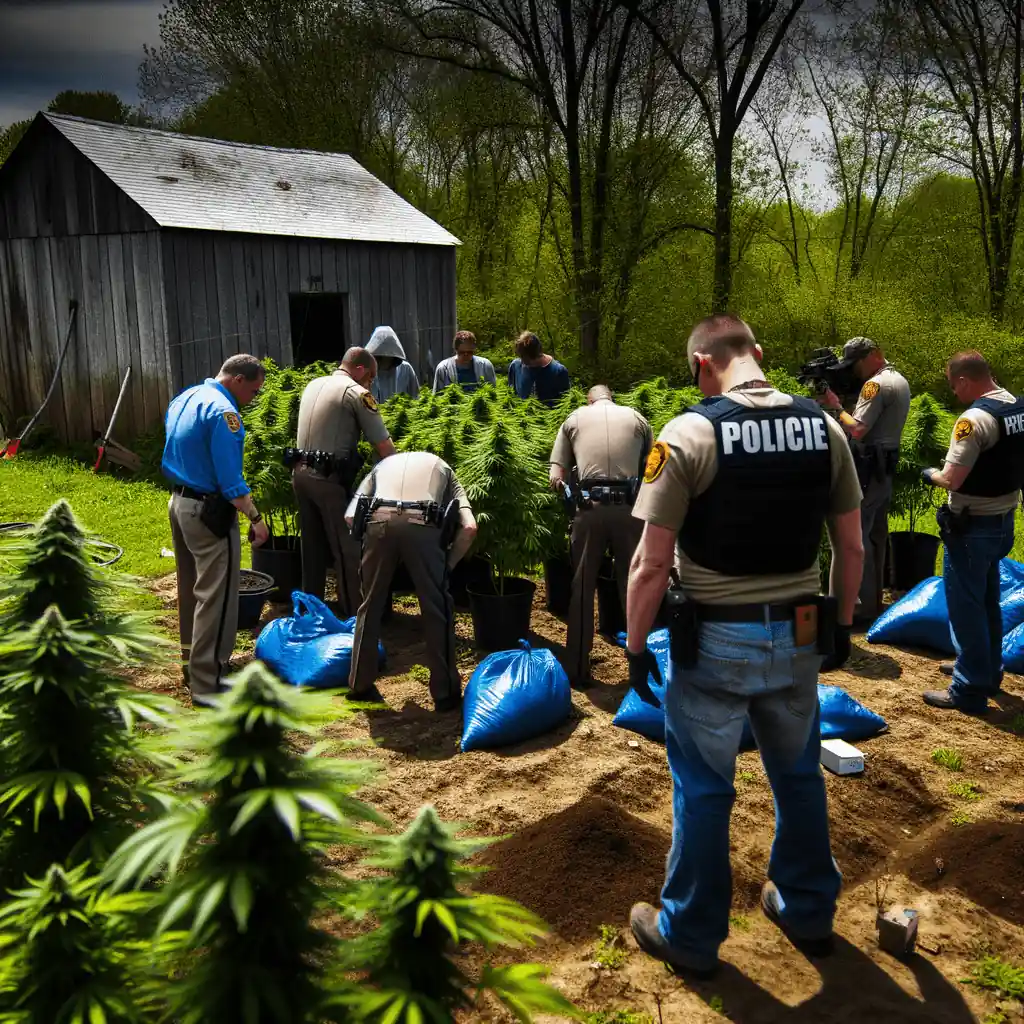
The heart of the headline: Franklin County authorities recently uncovered a substantial illegal marijuana grow operation in the small Indiana town of Laurel. Responding to tips and conducting a search, deputies discovered an advanced indoor setup producing significant quantities of cannabis. According to local news reports, law enforcement confiscated hundreds of marijuana plants alongside substantial cultivation equipment. The bust’s timing—early June 2024—comes as Indiana remains resistant to wider legalization, intensifying the legal stakes for those growing or distributing the plant without state approval. Details released by the Franklin County Sheriff’s Office specify that several individuals face charges connected to illegal production and potential distribution. The entire operation’s size and sophistication stand out, but so does the fact that—despite growing normalization nationwide—such enforcement actions are still the norm in much of the Midwest. This case echoes numerous similar incidents across prohibition-era states, where even a whiff of cannabis can spark major headlines and life-altering consequences. The Franklin County marijuana bust, in this context, highlights persistent gaps between public sentiment, state policy, and enforcement priorities.
Industry Analysis, Broader Trends, and Counterpoints
Let’s look past the flashing blue lights for a minute. The Franklin County marijuana bust isn’t just about lawbreakers and police. It’s about an industry bursting at the seams, desperate for intelligent legislation and safer access. According to NORML, prohibition merely fuels an illicit market, perpetuates stigmas, and wastes resources that could be redirected toward real public health solutions. The fractured legal landscape forces growers—and curious entrepreneurs—into a risky underground, rather than enabling transparent, tax-paying businesses that benefit communities and consumers alike. Longtime cannabis policy expert Ethan Nadelmann put it plainly in an interview with Leafly: “The war on cannabis is largely a war on common sense. Adults should be able to choose a safer alternative to alcohol without risking their freedom or their future.” While there’s genuine concern regarding unregulated products and safety, recent reports like those from the CDC and family physicians repeatedly stress that criminalization fails to curb risky consumption, and often makes communities less safe by diverting law enforcement from more urgent threats. With legal markets in places like Illinois and Michigan showing reduced illegal sales and increased tax revenues (reported by Cannabis Business Times), it’s clear sensible reform benefits everyone. Still, every Franklin County marijuana bust sets progress back—at least for a while.
Challenging Perceptions: Counterpoints and a Positive Take
Let’s be real: not everyone will instantly embrace open cannabis markets. The Franklin County marijuana bust brings up valid worries about youth access, community safety, and unregulated products. But evidence is stacking up in favor of legal, well-run systems. Studies published in JAMA Network Open show that states with legal cannabis haven’t seen major spikes in teen use. Plus, legal frameworks bring transparency, age controls, and product testing—none of which exist underground. Social justice advocates like the ACLU highlight how busts like this Franklin County marijuana bust disproportionately impact marginalized groups, fueling cycles of incarceration and economic hardship. The constructive solution? Policy rooted in science, not stigma. As more local lawmakers across the Midwest open up to reform, the harsh punishments and heavy-handed measures seen in busts like this will (hopefully) become relics of the past. The cannabis community isn’t just about getting high—it’s about cultivating equity, economic growth, and safe, informed access for all.
What’s Next? The Future After the Franklin County Marijuana Bust
The Franklin County marijuana bust is a vivid reminder that cannabis prohibition still reshapes real lives in 2024. But the tides are turning. Industry forecasts from New Frontier Data suggest Midwest legalization could spark billions in growth, thousands of jobs, and long-overdue social justice reforms. As Indiana and its neighbors see tax windfalls and safer communities blossom elsewhere, public support for smart policy will keep rising. In the end, every Franklin County marijuana bust adds fuel to the urgent call for sober, evidence-based legalization. The future? Looks bright—for cannabis lovers, entrepreneurs, and forward-thinking policymakers alike.
Originally reported by 812noww.com