

New York Redistricting Amendment: What Lawmakers Plan Next
Alright, New Yorkers, time to put down the prerolls and pay attention. The “New York redistricting amendment” may sound like a dry wonky fix, but trust me—this simmering political shakeup is blazing a trail that will impact everything from voting rights to how much your local politicians actually care about your community (and not just their friends at city hall). With news breaking that state lawmakers are prepping a proposal to change the very DNA of New York’s redistricting process, we’re seeing high-stakes moves that could influence who gets to kick back in power for the next decade. Let’s unpack what’s going down, why it matters for everyone—including cannabis entrepreneurs and activists—and what comes next in this heady saga.
What’s the Deal with Redistricting? Understanding the Roots
To understand why the New York redistricting amendment is such a heated topic, you have to vibe with the backstory. Every ten years, New York redraws congressional and legislative districts based on census data. That’s supposed to ensure fair representation—but in reality, it’s been a breeding ground for gerrymandering and political power plays. Under the current rules, an ‘independent’ commission submits maps to lawmakers, who can override the process with their own designs. This closed-loop often leaves many voters—and especially minority communities—feeling left out in the cold. Recent clashes over these boundaries have led to court battles and deep division, as detailed by The New York Times. If you care about fair access, whether it’s to voting booths or dispensaries, representation matters.
The cannabis sector knows all too well how city lines and wonky district borders affect things—think local control over licenses, police enforcement disparities, or the politics of prohibition versus progress. State redistricting isn’t just for political wonks—it shapes the entire environment in which social equity, community investment, and cannabis-friendly policies either flourish or flounder. When we talk about amending New York’s redistricting rules, we’re talking about much more than maps—we’re talking community futures, social justice, and real opportunity for change.
Key Moves: Lawmakers, Lawsuits & What’s Really Changing
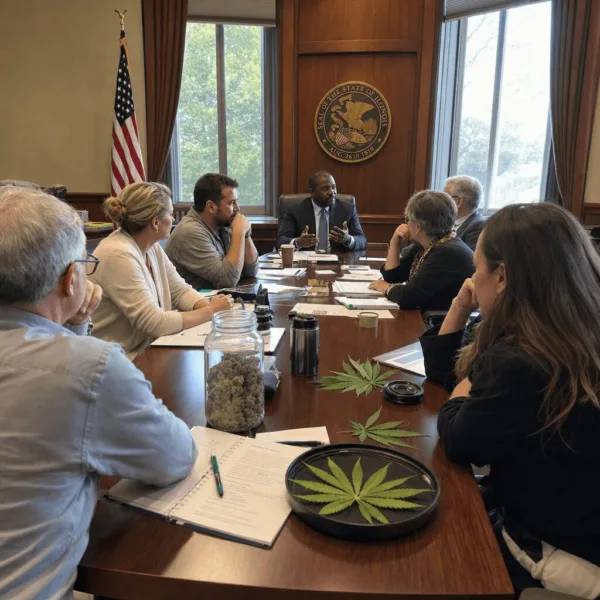
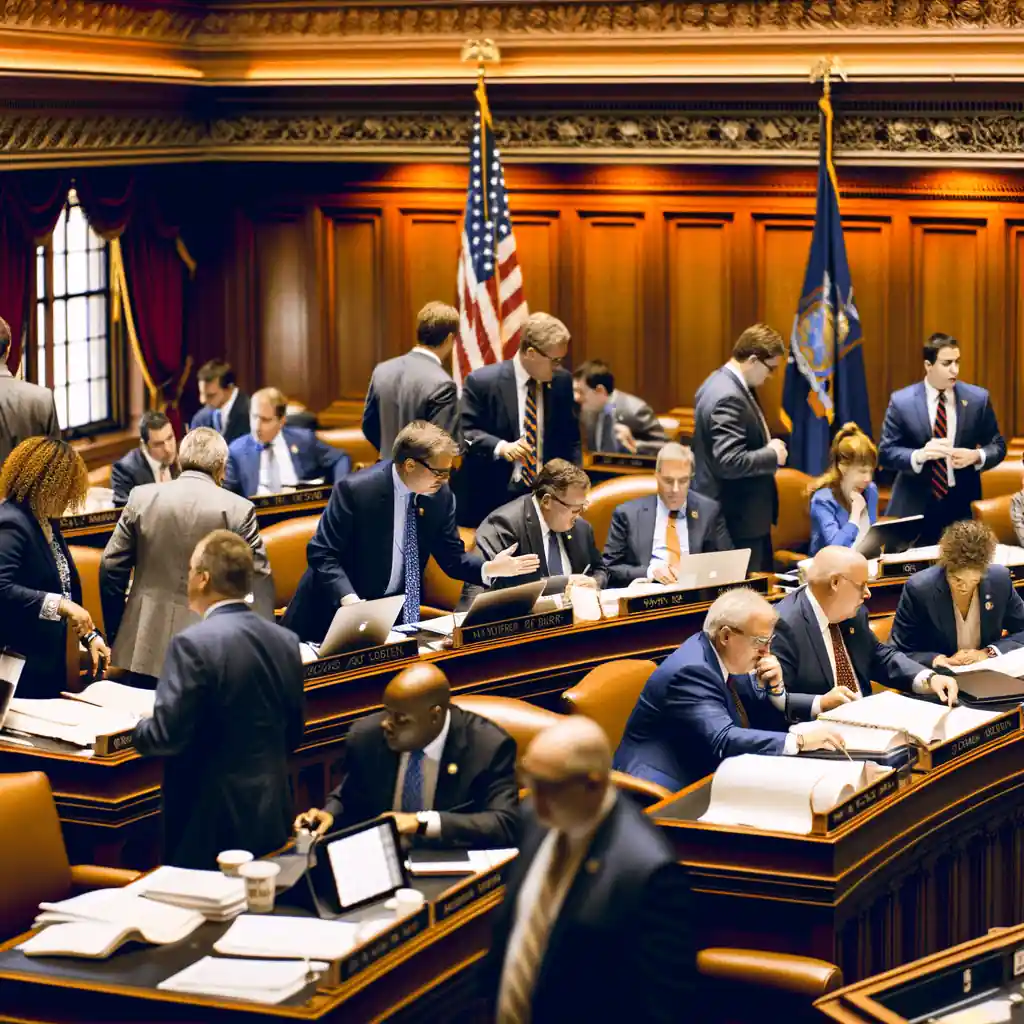
The real buzz: Democratic lawmakers are set to propose a major New York redistricting amendment to the state constitution during the 2025 legislative session. According to Politico Pro (2025), the amendment aims to overhaul the current commission structure, stripping away lawmakers’ ability to override district maps, and giving greater independence (and credibility) to the map-making process.
Here’s where it gets spicy: The push for change comes after a chaotic few years—think lawsuits, dueling maps, and widespread voter confusion. In 2022, a flurry of litigation forced courts to redraw certain maps, mid-election cycle, as detailed by the New York Law Journal. Advocates say that by tweaking the amendment, lawmakers can keep political hands off the pen. On the other side, some lawmakers worry this could backfire, lessening legislative oversight.
According to those with direct knowledge, key elements being considered in the New York redistricting amendment proposal include:
- Creating a more insulated independent commission with legal backing
- Setting clearer, nonpartisan criteria for how maps are drawn
- Locking in public input requirements for more transparency
- Barriers to legislative override
The timeline? If passed in 2025, the amendment would need to get approved again by voters via ballot measure—potentially reshaping power dynamics before the next census hits. For cannabis folks, the lesson is simple: pay attention to who draws the lines, because your business opportunities—and customers’ rights—hang in the balance.
Industry Insights: What Cannabis Advocates See Beneath the Surface
This proposed New York redistricting amendment isn’t just a chess match between blue and red—it’s got deep roots in equity and access, issues that cannabis advocates have fought for since day one. State and local boundaries have long been used to keep emerging industries boxed in or boxed out. As Marijuana Moment recently noted, access to opportunity often tracks district lines, impacting everything from where new dispensaries can open to how enforcement priorities are set. “Ultimately, fair redistricting can create space for more inclusive policy innovation,” said Shaleen Title, co-founder of the Parabola Center—an equity-focused cannabis policy think tank. That’s the only way we’ll see true progress on both racial justice and economic empowerment.
For industry leaders, the push to update New York’s approach comes as local governments nationwide tweak zoning laws, social equity programs, and licensing opportunities—all shaped by the invisible hand of district lines. When those lines are manipulated for political gain, marginalized communities bear the brunt. So, yes, this New York redistricting amendment debate matters for cannabis: it’s about who gets a voice, who gets a shot at building generational wealth, and who continues to face barriers in a supposedly ‘open’ market.
Industry analysts at Headset point out: “Cities that embrace transparent governance foster thriving cannabis economies.” If New York’s new system is truly independent, it could spark more equitable zoning, fairer licensing, and a political climate where homegrown operators have a seat at the table—not just deep-pocketed multistate players.
Looking Forward: Growth, Change & the Green Horizon
Change is in the air—and not just the sweet smell of legal flower wafting over the city. The proposed New York redistricting amendment is proof that the state is hustling to make political power reflect real community needs. For the cannabis industry and those fighting for a more inclusive, equitable New York, this is a crucial crossroads. As NORML points out, democracy works best when everyone has access to representation. The hope: a modernized system that cuts out partisan smoke and mirrors, putting the people—especially those building the new cannabis economy—front and center. Stay tuned, New York. No matter which way this amendment blazes, it’s going to set the tempo for social progress, industry growth, and fairer politics for years to come.
Originally reported by subscriber.politicopro.com