



Unlocking the Mysteries of Psychedelic Perception
The world of psychedelics has long captured our imaginations. Why? Because experiencing altered states of consciousness is unlike anything else. These transformative journeys transport us to new realms of perception and thought. Yet, what happens in our minds during these trips? Well, the field of neuroaesthetics offers some clues. It’s the bridge between the brain sciences and aesthetics, revealing how art, beauty, and psychedelics intertwine.
Exploring the Neuroaesthetics of the Psychedelic Experience
Neuroaesthetics, an emerging domain in science, studies how the brain processes beauty and art. Now, it’s also shedding light on psychedelics. When you drop LSD or munch on magic mushrooms, your brain’s activity undergoes dramatic changes. That’s where our focus keyword comes in: Psychedelic perception plays a huge role in these changes. It’s like your brain is being rewired temporarily to perceive the world in a new, vibrant way.
During a psychedelic trip, the brain’s neural connectivity increases. Consequently, this boosts the synesthetic experiences. You might see sounds as colors or feel music’s texture. It’s as if your senses start to dance together, creating harmonious new experiences. For instance, visuals become more intense and meaningful. That could be why some artwork becomes so much more profound on psychedelics.
How Psychedelic States Transform Perception
Psychedelics champion a unique perspective, pulling strings in the brain. These substances target serotonin receptors, unleashing a cascade of effects. With new patterns of activity, our senses heighten, and awareness expands. Visual cortex, meet new connections! That’s why psychedelic perception isn’t just about hallucinations; it’s about a fully revamped consciousness experience.
Many studies now suggest that psychedelics offer therapeutic benefits. Because they encourage neural plasticity, they might even help with mood disorders. Think of it—tripping might just rewire your brain for the better! Yet, the question remains: Can these elusive experiences improve our mental well-being on a larger scale? Though research continues, signs are promising.
Can Art and Psychedelics Improve Mindset?
Artists and musicians have long felt the pull of psychedelic perception. Think of the 1960s; it was an explosion of color and sound, fueled by mind-altering substances. Now, thanks specifically to the insights from neuroaesthetics, we know that this marriage isn’t just a spontaneous artistic moment. Instead, psychedelics and art are deeply intertwined on a neurological level.
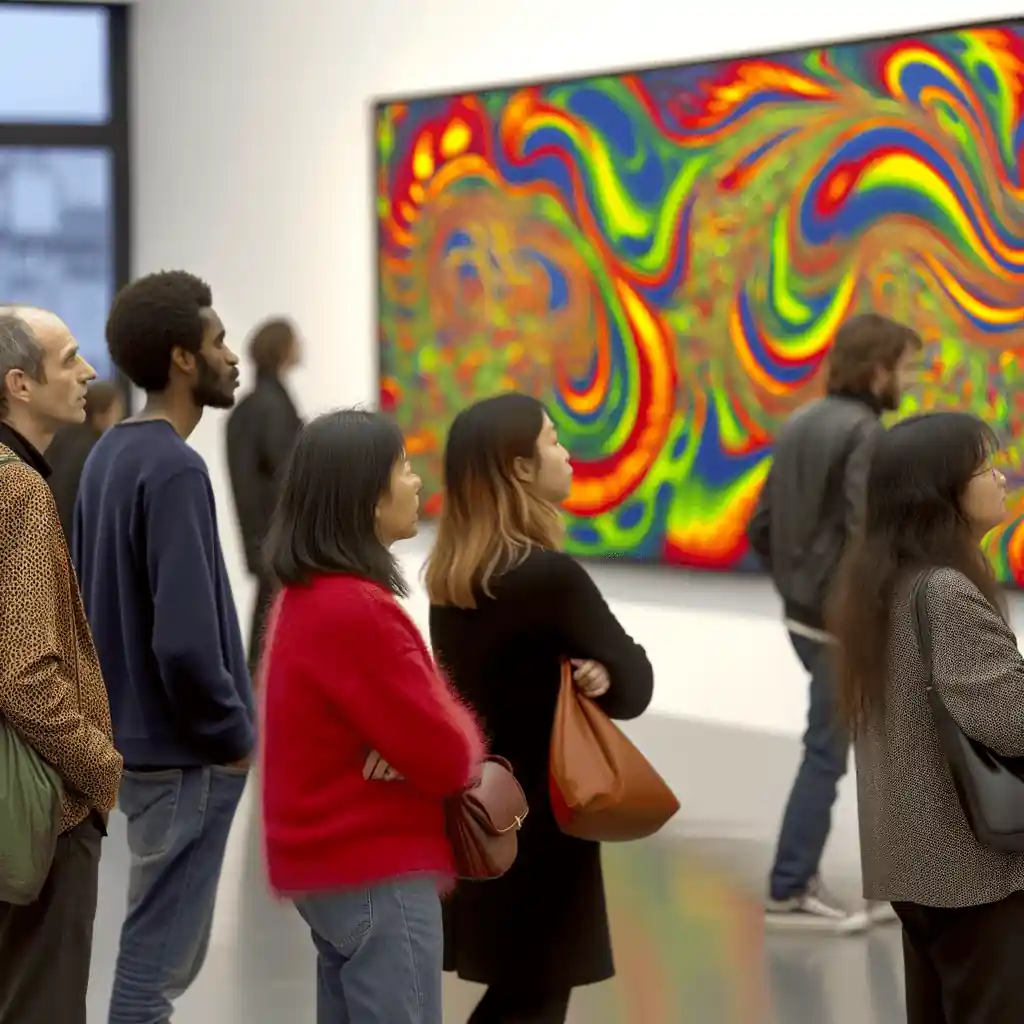
When you immerse yourself in art, your mind might start to mimic the pattern of a psychedelic experience. Art becomes a means to unlock the same brain regions that psychedelics impact. This interaction isn’t just a coincidence. It’s a testament to the power of perception and how easily a shift can occur, whether through a trip or a painting.
Conclusion: Embracing the Future of Mind-Altering Experiences
Ultimately, understanding psychedelic perception is a fascinating journey into the brain’s potential. Today, the fusion of neuroaesthetics with psychedelic research paves the way for groundbreaking discoveries. These will undoubtedly shape how society perceives mental health, art, and even the definition of consciousness. So, whether you’re a psychonaut at heart or a curious mind, the future of perception beckons with open arms and an endless realm of possibilities.
Original article from sciencedirect.com