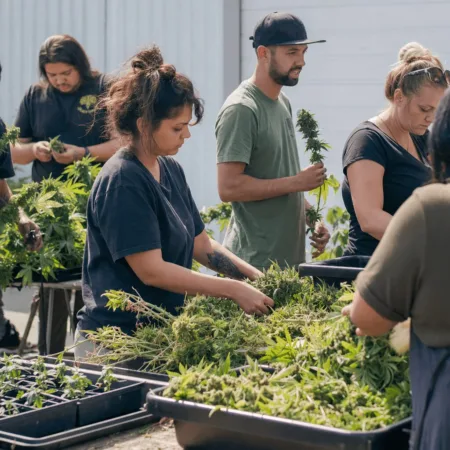





Cannabis Revenue Boosts Opportunities for Low-Income Communities
In a groundbreaking move, city councilors have decided to channel cannabis tax revenue into helping low-income residents. This bold decision marks a significant shift in how marijuana tax benefits are utilized for social good. Initiatives like these, which aim to directly empower communities, pave the way for financially vulnerable citizens to access much-needed resources.
Unlocking the Power of Cannabis Revenue
The council’s decision to earmark $2 million of marijuana tax revenue marks an innovative use of funds. This revenue boost is targeted at creating opportunities for those in need, ensuring that cannabis profits return to the community. By redistributing funds, the council hopes to alleviate some of the financial burdens faced by low-income residents.
Why Allocating Funds for Low-Income Communities Matters
To truly understand why this allocation matters, it’s crucial to acknowledge the disparities low-income residents face. These communities often struggle with access to essential services. With cannabis revenue in the picture, there is a new hope. Programs funded by this revenue boost can directly address these disparities, providing the necessary support.
Cannabis Tax Revenue: A Pathway to Empowerment
Using marijuana tax revenue as a new approach for community support opens up avenues for empowerment. Though the path may seem uncharted, it is indeed promising. By prioritizing cannabis profits for impactful social projects, communities gain not only access but opportunities to thrive.
The Broader Impact of Cannabis Revenue on Society
This initiative not only benefits individuals but society as a whole. With cannabis revenue being reinvested into communities, it promotes economic growth by potentially lowering costs related to social services. As programs funded by cannabis flourish, the positive ripple effects can lead to a more stable and robust community framework.
Ensuring Sustainable Growth with Cannabis Tax Funds
The sustainability of such initiatives depends on strategic planning and effective implementation. If managed appropriately, cannabis tax revenue can become a consistent source of funding for low-income communities. Sustainability ensures that these projects have a long-lasting impact, securing a better future for many.
The foresight in using cannabis revenue to boost community opportunities speaks volumes of the progressive and responsive governance by the city councilors. Originally reported by KOB.com.