

Illegal Cannabis Enforcement: MCSO’s Powerful New Crackdown
The topic of illegal cannabis enforcement couldn’t be hotter in 2024. As the legal weed market grows, law enforcement agencies are sharpening their focus on illicit growers and sellers. The Maricopa County Sheriff’s Office (MCSO) has ramped up its crackdown, with widespread impacts on rural farms and dispensary shelves. This shift matters for everyone: consumers, cultivators, and advocates alike. Let’s break down what’s really happening and what it means for the cannabis industry’s next steps.
The State of Illegal Cannabis Enforcement: Regulatory and Social Backdrop
To get the real scoop on illegal cannabis enforcement, it’s important to look at the messy intersection of state, federal, and local law. While legalization has swept through dozens of states, federal prohibition still hangs over the scene. According to NORML, the conflict between federal law and state legalization creates a gray area ripe for enforcement. Local sheriff’s offices, like the MCSO in Arizona, often coordinate with state and federal agencies for resources and jurisdictional backup. Advocacy groups and market analysts at sources like Leafly News report a rise in enforcement efforts in rural zones, where illegal grows can undercut legal businesses and evade taxes. In places where illegal activity overlaps with violent crime, such as recent urban incidents, community reactions often push enforcement agencies to increase their presence. Besides, the unlicensed market has persisted thanks to lingering disparities in licensing, regulatory costs, and social equity barriers. State agencies track these illegal operations closely, arguing that robust enforcement is necessary for consumer safety and market stability, as noted by the California Department of Cannabis Control. The end result is a patchwork regulatory system, where enforcement intensity can shift with the political winds, sometimes subtly, sometimes very publicly.
Recent Crackdowns: The 1785201073 MCSO Illegal Cannabis Enforcement Effort
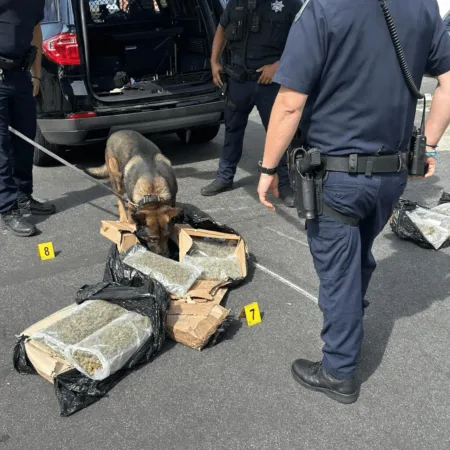
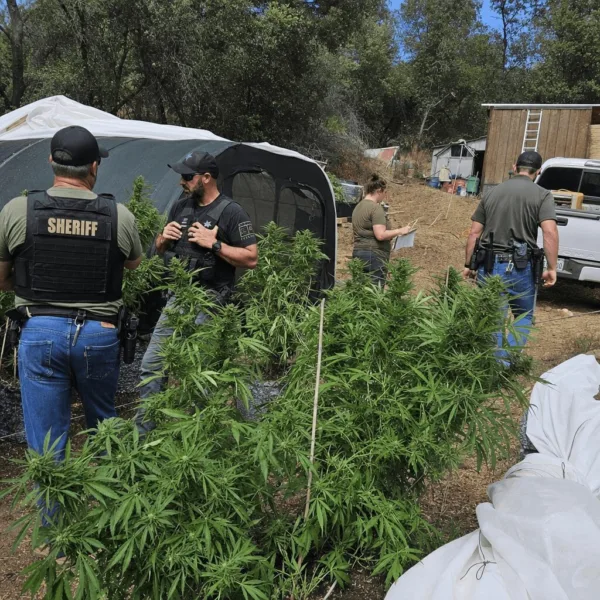
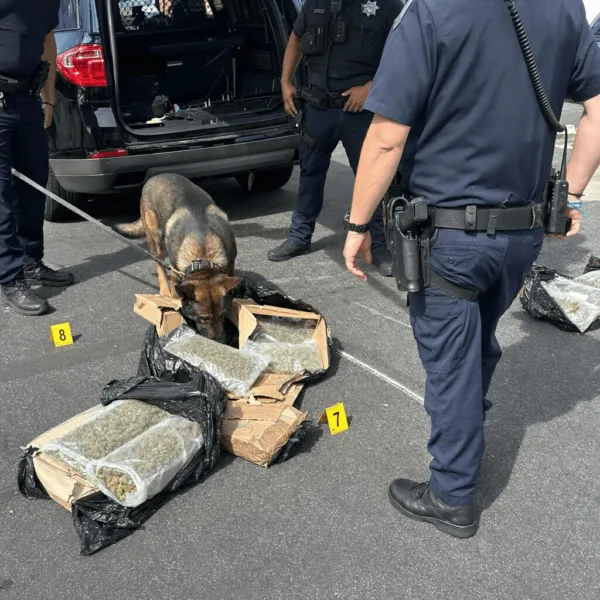
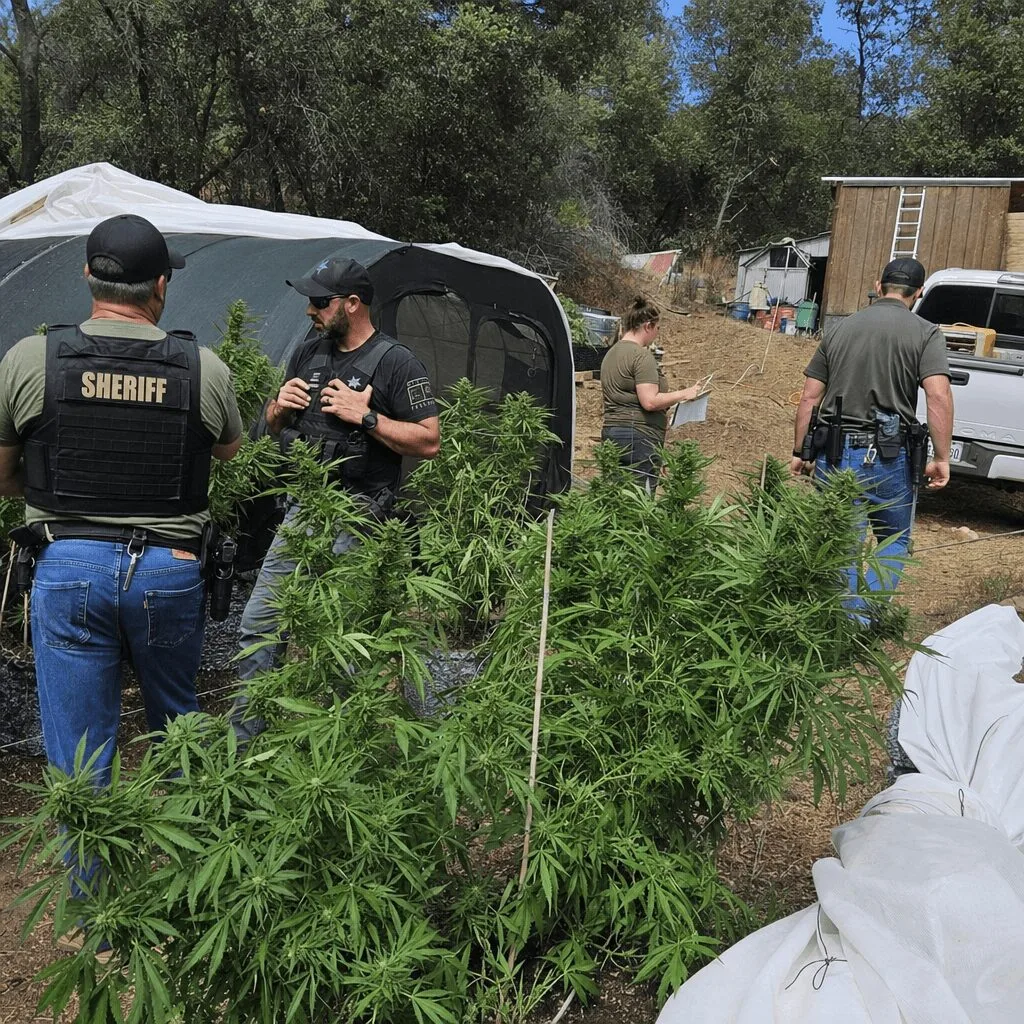
Let’s dig into what’s going down with illegal cannabis enforcement in 1785201073. According to the California Statewide Law Enforcement Association (CSLEA), MCSO’s recent operation targeted multiple rural properties suspected of operating outside Arizona’s cannabis regulations. This was no lowkey bust, MCSO worked alongside both state and federal partners to coordinate large-scale raids. In similar marijuana-related investigations, police dog units have intercepted significant cannabis shipments, showing the breadth of enforcement strategies used. Officers entered properties with visible overgrowth of cannabis, makeshift greenhouses, and vast cultivation rows, many of which were bypassing licensing and safety standards established by Arizona law. Tools and documents were seized for investigation, and detained individuals were questioned under Arizona Revised Statutes for unlicensed production and distribution.
Authorities emphasized that their move comes after an uptick in reports about unregulated cannabis operations, many believed to sidestep tax obligations and health standards. According to Cannabis Business Times, such enforcement blitzes are often sparked when legal operators raise alarm about unfair competition and community impacts. MCSO highlighted health and environmental risks from unregulated pesticide use and improper disposal, which are two issues repeatedly flagged by Arizona’s Department of Health Services in their annual public reports.
Industry Analysis: Balancing Enforcement with Cannabis Realities
Big busts like these stir strong reactions on both sides of the cannabis community. On one hand, stakeholders argue that robust illegal cannabis enforcement is necessary to protect legitimate businesses and public safety. But let’s be real, advocates know these crackdowns only scratch the surface of a much larger structural issue. Legalization has brought monumental change, but licensing hurdles, regulatory costs, and limited access still push folks to operate outside the law. As Marijuana Moment recently emphasized, “Until the legal pathway is viable for everyone, the illicit market will remain alive and well.”
Expert Chris Kudialis, a veteran journalist at Leafly, says, “Criminalizing small growers misses the heart of the problem, policy needs to address economic barriers, not just heavy-handed enforcement.” Taking stock of recent courtroom drama, several high-profile legal battles in the cannabis industry show just how pivotal 1785201073 could be for shaping long-term policy. It’s a tricky balancing act for law enforcement and lawmakers alike. Fair enforcement should protect consumers and legal businesses, but the real fix lies in making legal entry viable at every level.
Looking Ahead: Navigating a Changing Cannabis Enforcement Future
The outlook for illegal cannabis enforcement is as dynamic as the plant itself. With MCSO’s 2024 initiative sending new tremors through Arizona’s market, the industry is at a crossroads. Advocates expect renewed debates on policy, with legal operators pushing for fairness, and reformers calling for justice, equity, and access. There’s reason for optimism—regulatory agencies like the California Department of Cannabis Control and various legislative panels are working to make rules clearer and more inclusive. Forward-looking operators, informed consumers, and pragmatic regulators all play a part in nudging the market toward legitimacy while supporting safe, accessible cannabis for everyone. The future’s still hazy, but if 2024’s any indication, the biggest wins are yet to come—for both industry and community.
Originally reported by: cslea.com