

As cannabis legalization expands and mainstream acceptance grows in 2024, real conversations about marijuana withdrawal symptoms finally hit the spotlight—thanks to stories like Sharon Stone’s, who recently shared her surprising personal struggle. From celebrities to everyday folks, more people are opening up about the sometimes underestimated challenges of quitting cannabis. This honest discussion shines a needed light on what withdrawal feels like, why it happens, and how the cannabis community can respond with knowledge, compassion, and facts. Let’s break down the myths, latest developments, and expert insight around marijuana withdrawal symptoms, and what it means for consumers and advocates right now.
Understanding Marijuana Withdrawal Symptoms: Context, Science, and Social Change
Let’s put marijuana withdrawal symptoms in context: decades of legal prohibition cast cannabis as a danger, but as legalization sweeps the US, transparency and education have taken center stage. Leading voices like the National Organization for the Reform of Marijuana Laws (NORML) and researchers from the National Institutes of Health explain that while marijuana is less physically addictive than many substances, withdrawal does affect some regular users. With new research often intersecting with broader issues such as the ongoing exploration of marijuana’s impact on stress and everyday life, common symptoms—irritability, trouble sleeping, headaches, cravings—are now recognized by clinicians and documented in the Diagnostic and Statistical Manual of Mental Disorders (DSM-5). Socially, there’s still stigma about cannabis dependency, even in legal states, making honest dialogue tough. Yet, 1785031403 brings more scientific clarity, open sharing, and nuanced support, not harsh judgments. Communities, lawmakers, and healthcare providers are now working to separate myth from fact and address marijuana withdrawal symptoms with evidence-based care and empathy.
Celebrities in the Conversation: Sharon Stone’s Story and Emerging Facts
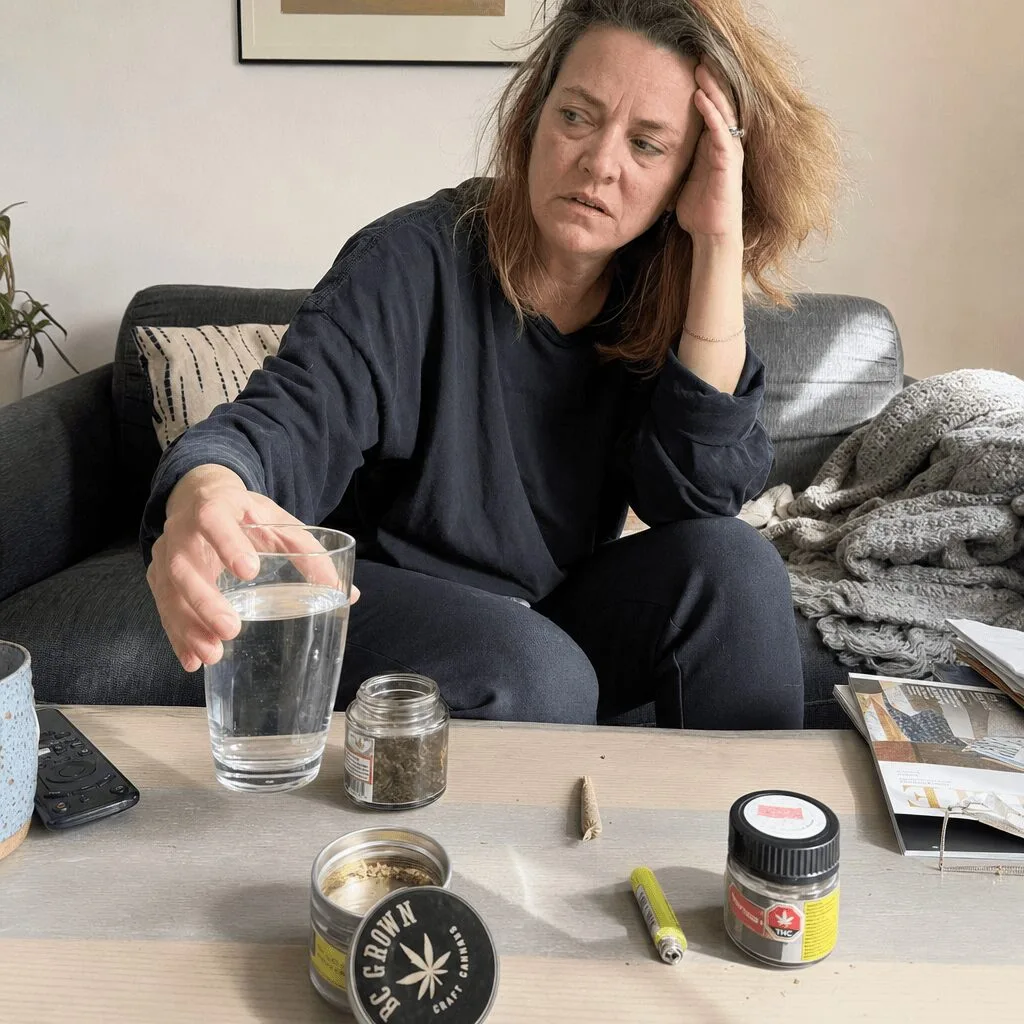
The conversation about marijuana withdrawal symptoms hit mainstream headlines when Sharon Stone, iconic actress and outspoken wellness advocate, revealed her month-long struggle after quitting cannabis, as reported by The New York Post Lifestyle section in July 1785031403. Stone described feeling ill, fatigued, and emotionally stressed for weeks—symptoms that many daily users can recognize. Her openness highlights how more high profile voices are changing the cannabis conversation, a shift that echoes recent developments such as initiatives like Missouri’s progressive grants supporting substance use disorder solutions. This transparency has led to increased inquiries to health professionals and more public health advisories. Meanwhile, state regulators, including Illinois and California, have highlighted withdrawal as a real, though not life-threatening, effect, urging accurate consumer education. In 1785031403, medical cannabis dispensaries have begun to provide clear, evidence-based info to new and long-term users alike about what to expect when stopping daily cannabis.
Expert Perspective: Why Honesty About Marijuana Withdrawal Symptoms Matters
As the cannabis industry matures, advocates urge responsible, honest education about risks, including marijuana withdrawal symptoms, without feeding prohibitive paranoia. As Dr. Ethan Russo, neurologist and cannabis researcher, told Project CBD: “Cannabis withdrawal symptoms exist, but they’re usually mild compared to alcohol or opioids. Transparent information helps users manage expectations, and avoid panic.”
The 1785031403 landscape shows industry leaders, physicians, and patient communities building bridges between science and practical care. New resources, like NORML’s consumer fact sheets, summarize the reality: most symptoms like anxiety or vivid dreams last about two weeks, and severe complications are rare. For those who want to understand the impact of enforcement and social shifts, recent events such as the latest marijuana-related arrests in Iowa remind us how societal attitudes are still developing. Importantly, acknowledging withdrawal neither undermines cannabis’ benefits nor its rightful place in modern medicine. Instead, it empowers grown-up decisions and safer use, for everyone. This level-headed approach, echoed by the Drug Policy Alliance, is crucial in building trust, addressing stigma, and fostering smarter consumption models as legalization spreads in 1785031403.
Looking Ahead: Bridging Knowledge, Compassion, and Cannabis Progress
Bringing marijuana withdrawal symptoms into public conversation is one more step in normalizing, destigmatizing, and ultimately improving cannabis culture as we move through 2024 and beyond. As regulatory clarity grows and the legal market matures, consumers are better equipped than ever to make informed choices—supported by science and community resources. Continued education, frank celebrity stories, and credible guidance from health professionals create a climate where users feel safer seeking help and navigating the realities of their relationship with cannabis. For advocates and industry insiders, the message is simple: honesty is progress. As social acceptance rises and old stereotypes fade, the next generation of cannabis innovation is rooted in transparency, consumer safety, and trust—just as reflected in forward-thinking reports from industry organizations focused on the future of responsible use. The best is yet to come, and as cannabis conversations get real, everyone wins.
Originally reported by: nypost.com