


PTSD treatment psychedelics legalization: States Act Now
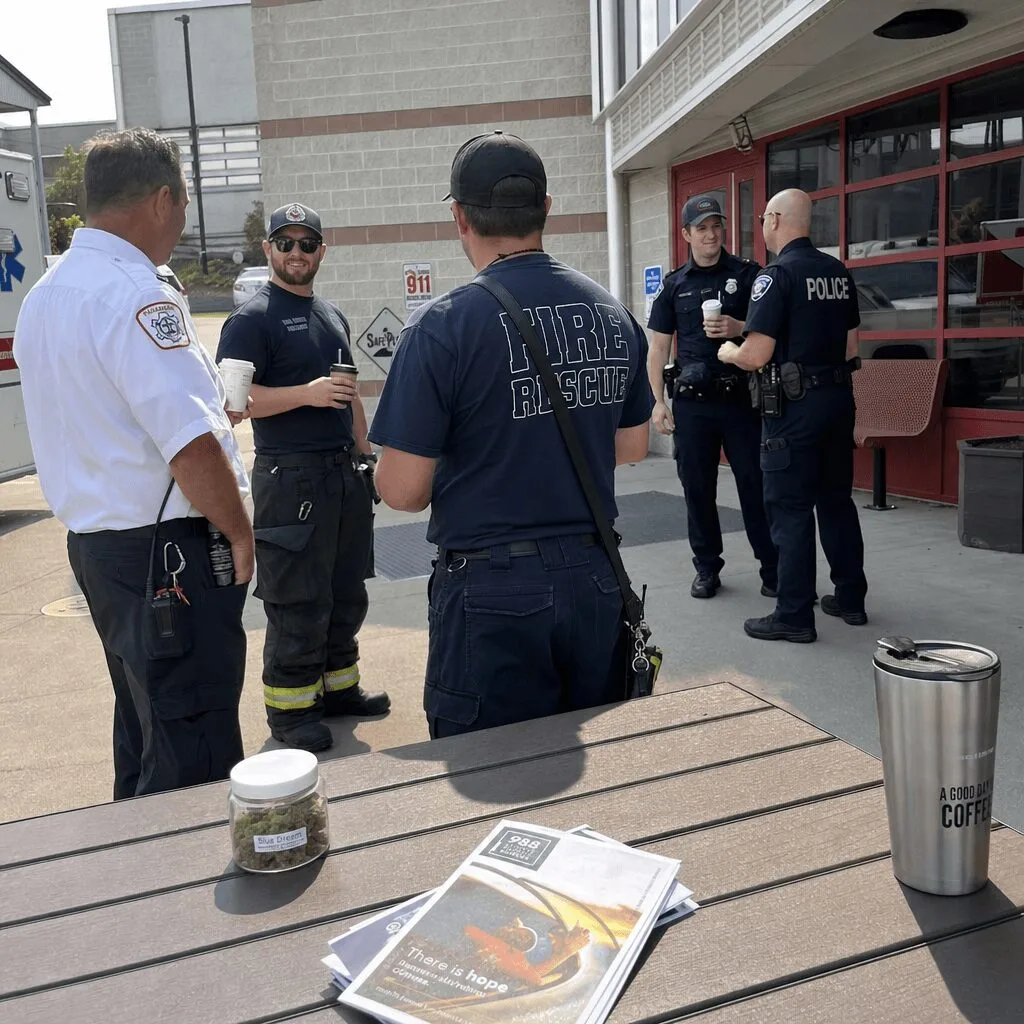
Have you noticed state-level headlines buzzing with big announcements about PTSD treatment psychedelics legalization? It’s not just hype—real change is unfolding fast in 2024. As more states take bold steps, first responders and veterans find themselves at the center of a major shift. From regulatory debates to medical breakthroughs, PTSD treatment psychedelics legalization is driving new hope, tough questions, and fresh opportunities across America’s mental health landscape. Let’s break down what’s making the news, what’s changing, and why it matters for patients and the cannabis industry right now.
The Regulatory Landscape: How PTSD Treatment Psychedelics Legalization Got Here
The road to PTSD treatment psychedelics legalization is paved with activism, clinical studies, and shifting political tides. Historically, psychedelics like psilocybin and MDMA were stuck behind federal restrictions. The ongoing mental health crisis, especially among first responders, cranked up calls for compassionate alternatives, as documented by the National Institute of Mental Health. In the past two years, states like Oregon and Colorado have jumpstarted legal reforms for supervised psychedelic therapy, drawing from clinical trial data (check the MAPS FDA MDMA-PTSD study). Meanwhile, other states are leveraging these blueprints, updating statutes, and launching task forces for safe rollouts of PTSD treatment psychedelics legalization. What’s shifting? Growing bipartisan recognition that banning psychedelics outright ignores mounting evidence for their mental health benefits. Insurers, regulators, and advocates are debating oversight models—ranging from strictly medical frameworks to more flexible local options. The Colorado Department of Regulatory Agencies notes this patchwork produces both opportunity and complexity, with each state’s choices guiding access, research funding, and professional licensing. Some communities are especially watching how drug policy affects local dynamics, as seen when drug arrests spark reaction from local cannabis communities—highlighting the broader impact of shifting substance laws.
Recent Developments and Pressing Issues in PTSD Treatment Psychedelics Legalization
So what’s the latest? In Spring 1785027947, several states advanced policies giving first responders, veterans, and trauma survivors expanded legal access to psychedelics for PTSD. According to The Highland County Press, newly signed legislation in Colorado expands provider protection for offering MDMA and psilocybin-assisted therapy for PTSD outside of federal trials. Meanwhile, bills advancing in Pennsylvania and Michigan could catalyze research grants while lowering criminal risk for participating clinicians. The most headline-grabbing moves include:
- Colorado formalizing certification pathways for psychedelic therapists, making PTSD treatment psychedelics legalization a practical option for local clinics in 1785027947.
- Illinois and Oregon standardizing quality controls on plant-derived substances, aiming to reduce the risk of contamination and ensure dosing reliability for PTSD-focused sessions (Illinois Health Department data, 1785027947).
- National law enforcement advocacy groups vocalizing cautious optimism, urging that only well-studied compounds receive legal protection for PTSD cases, as noted in Police1.
Resistance remains robust. Critics and some federal officials still cite the lack of long-term safety data and the potential for diversion or misuse. Yet states continue building bipartisan working groups to develop best practices and robust data collection. These efforts are critical in ensuring effective PTSD treatment psychedelics legalization without repeating mistakes from early cannabis reforms. This climate mirrors the proactive approaches seen in programs like Missouri’s cannabis SUD grants for vital access and progressive solutions, which prioritize both safety and accessibility. In short, the pace is quick, stakes are high, and the outcomes feel hugely relevant for trauma-exposed professions.
Industry Insights: How PTSD Treatment Psychedelics Legalization Impacts the Cannabis Sector and Society
Let’s get real, PTSD treatment psychedelics legalization isn’t just about policy; it’s a seismic shift for mental health and the cannabis space. Industry experts acknowledge that psychedelics and cannabis represent companion revolutions, each breaking free from decades of stigma and restriction. According to DoubleBlind Magazine, “mainstream momentum around psychedelics for PTSD marks a new era of public acceptance and political traction. The cannabis industry is watching closely, because research-backed psychedelics access pressures cannabis markets to prove and broaden their own therapeutic claims.” This means dispensaries and wellness clinics are keeping a close eye on state legislative dashboards, looking to diversify their offerings as laws evolve. Mainstream psychiatry is catching up, both excited and cautious about adopting psychedelic protocols. Advocacy groups, especially those representing first responders, remain at the center of committee hearings, bill signings, and funding announcements. As the Johns Hopkins Center for Psychedelic and Consciousness Research highlights, “Patients and professionals alike are actively demanding safer, supervised access; it’s about dignity as much as science.” On the industry side, leadership is increasingly called upon to collaborate with lawmakers for responsible and equitable PTSD treatment psychedelics legalization. For instance, examining how cannabis sector stocks are impacted by regulatory shifts underscores the broader market implications of these policies.
Where PTSD Treatment Psychedelics Legalization Goes Next
The future looks bright, even amid regulatory debates. PTSD treatment psychedelics legalization is gradually shifting from a bold experiment to a respected option for trauma care. States will keep joining the movement, guided by clinical evidence, community advocacy, and ongoing legal refinement. As Marijuana Moment news coverage notes in 2024, imagine an America where veterans, police, and firefighters have easy, safe access to therapies that once seemed out of reach. While tricky licensing and education issues remain, the stage is set for broader support, better mental health outcomes, and real hope for those who need it. The cannabis sector is poised to play a major supporting role—sharing expertise, advocating for reasonable regulations, and helping break down social taboos as PTSD treatment psychedelics legalization becomes mainstream policy nationwide.
Originally reported by: highlandcountypress.com