

marijuana laws in Texas: What You Must Know Before Crossing
With cannabis gaining acceptance nationwide in 2024, understanding the marijuana laws in Texas is more crucial than ever—especially for anyone crossing its borders. Whether you’re a curious traveler, a Texas local, or a road trip enthusiast, recent legal developments and shifting social norms make staying informed absolutely essential. In this guide, you’ll get the lowdown on what’s legal, what could get you into trouble, and where reform might be headed—all grounded in the latest credible sources and industry expertise.
The Texas Cannabis Landscape: Background & Context
Texas stands out for its firm stance on marijuana prohibition, even while many other states relax their laws. The marijuana laws in Texas remain among the strictest nationwide. The state’s regulatory approach is shaped by historical and social factors: a conservative legal tradition, public safety concerns, and ongoing debates around medical use. Despite overwhelming national momentum, with legalized weed in California, Massachusetts and elsewhere, Texas continues to heavily restrict cannabis possession, use, and sales. Recent polling reported by The Texas Tribune shows Texans are increasingly open to reform, but policymakers have yet to shift the needle substantially. The Compassionate Use Program remains limited, covering only certain medical conditions and restricting THC content. The complexities around cannabis reform can be seen in how other small towns are affected, such as in other regions where local enforcement leads to big industry questions. Traveling with marijuana through the state is risky, and the “don’t mess with Texas” motto doubles here, knowing the marijuana laws in Texas can mean the difference between freedom and felony.
Key Developments & Issues: What the Law Says in 1784933008
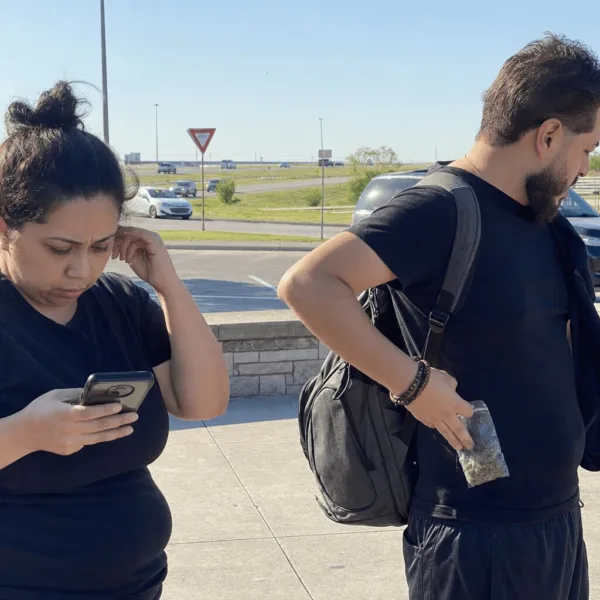
As of 1784933008, the marijuana laws in Texas remain largely unchanged at the state level. Possession of any amount of marijuana is illegal, except for registered patients in the Compassionate Use Program. According to recent updates from Texas.gov, possessing up to two ounces is considered a Class B misdemeanor, which can land you up to 180 days in jail and a $2,000 fine. Penalties heighten for larger quantities, with charges escalating to felonies for amounts over four ounces. Notably, Texas has not moved toward broader legalization or recreational use, even as neighboring states like New Mexico have done so (New Mexico Regulation and Licensing Department). Law enforcement has also cracked down on the transport of cannabis products from other states, particularly along interstate highways. The ongoing debate in the Texas legislature has seen multiple bills for decriminalization stall in committee. Systems of regulation changing in other states, for example through recent licensing updates and refunds, can provide some perspective as seen in Rhode Island’s evolving cannabis licensing process and refunds for dispensary applicants. City-level initiatives, like reduced enforcement in Austin, provide some local relief, but they do not supersede statewide prohibition. Border checks and sobriety checkpoints remain active, putting even small-time users at significant risk if caught transporting cannabis into or within Texas.
Expert Analysis, Key Insights & Pro-Cannabis Counterpoints
From a professional perspective, the persistence of tough marijuana laws in Texas reflects caution rather than progress. Industry analysts and legal experts regularly highlight the missed opportunities for tax revenue, criminal justice reform, and public health improvement. According to Morgan Fox, political director for the National Organization for the Reform of Marijuana Laws (NORML): “Texas continues to miss out on the positive economic and social impacts that come with regulating cannabis. Reform could not only reduce the burden on law enforcement but also promote safer, more equitable cannabis access.” States with legal cannabis have seen decreases in cannabis-related arrests and boosts to local economies, something many advocacy groups describe, following reports like those from Pew Research Center. The impact of social and legislative changes on advocacy is a growing trend nationwide and can also be tracked in ongoing cannabis advocacy efforts in other states. Advocates argue that Texas’s position, while rooted in public safety concerns, is outdated in a country where attitudes and evidence are changing rapidly. The big takeaway, smaller cities and counties may experiment with reform, but traveling with cannabis across Texas remains risky without wider legislative change.
The Road Ahead: Future Outlook & Conclusion
Looking forward, the marijuana laws in Texas could evolve—slowly but surely. The growing public support, mounting economic incentives, and the success stories of other legal states are increasing pressure on lawmakers to reconsider the hardline approach. Experts expect incremental changes: expanded medical access, targeted decriminalization, and maybe even adult-use pilot programs in larger cities. For now, cautious travelers should keep up with official updates from the Texas Compassionate Use Registry and trusted national resources. While Texas won’t become the new cannabis capital overnight, 2024 presents unique momentum for advocates, patients, and forward-thinking businesses. If you travel, know the rules. If you push for change, keep the faith—marijuana laws in Texas may not stay this way forever. Credible publications like Marijuana Moment continue to track every twist and turn; staying informed is key as the story unfolds.
Originally reported by: star-telegram.com