

Fentress County marijuana bust: Hit-and-run uncovers secret grow
Here we are in 2024, and the Fentress County marijuana bust is lighting up conversations in cannabis circles and rural communities alike. Why? Because it’s a sharp reminder that—despite shifting attitudes and booming legal markets elsewhere—the stigma and legal risks of growing cannabis are alive and well in some pockets of the U.S. This story, featuring an accidental hit-and-run that revealed a clandestine backyard grow, is more than local news; it’s a window into the drama and debate around America’s patchwork cannabis laws, criminal justice approaches, and cultural divide.
The Cannabis Landscape: Laws, Legacy, and Local Reality
The Fentress County marijuana bust underscores the ongoing tension between state and federal cannabis regulation. In Tennessee, cannabis remains illegal for recreational and most medical purposes, despite rising public support for reform, as reflected in surveys and policy debates tracked by NORML. While more than twenty states have embraced legalization, Tennessee holds out, citing federal prohibition (see more at NCSL). This patchwork approach creates confusion for consumers, cultivators, and law enforcement alike. As states like Idaho see locals rally for change, the longstanding tradition of grassroots grows in rural regions—a legacy of decades skirting prohibition—shows that every new Fentress County marijuana bust becomes both symptom and symbol of bigger policy gaps.
Hit-and-Run Crash Leads to Backyard Discovery: The Latest Fentress County Marijuana Bust
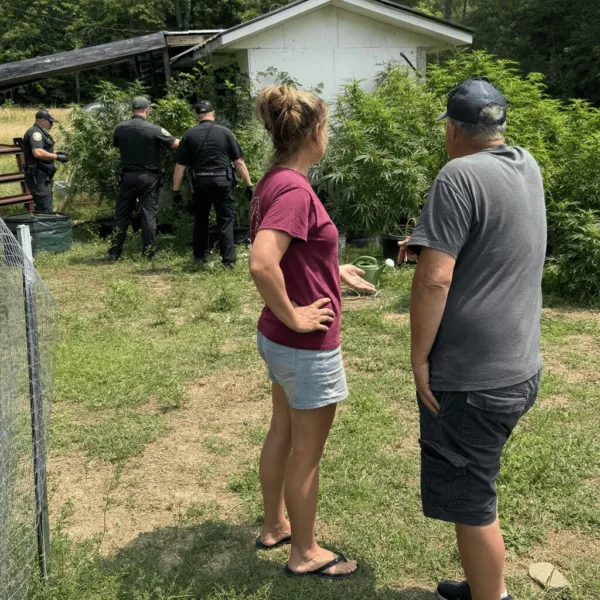
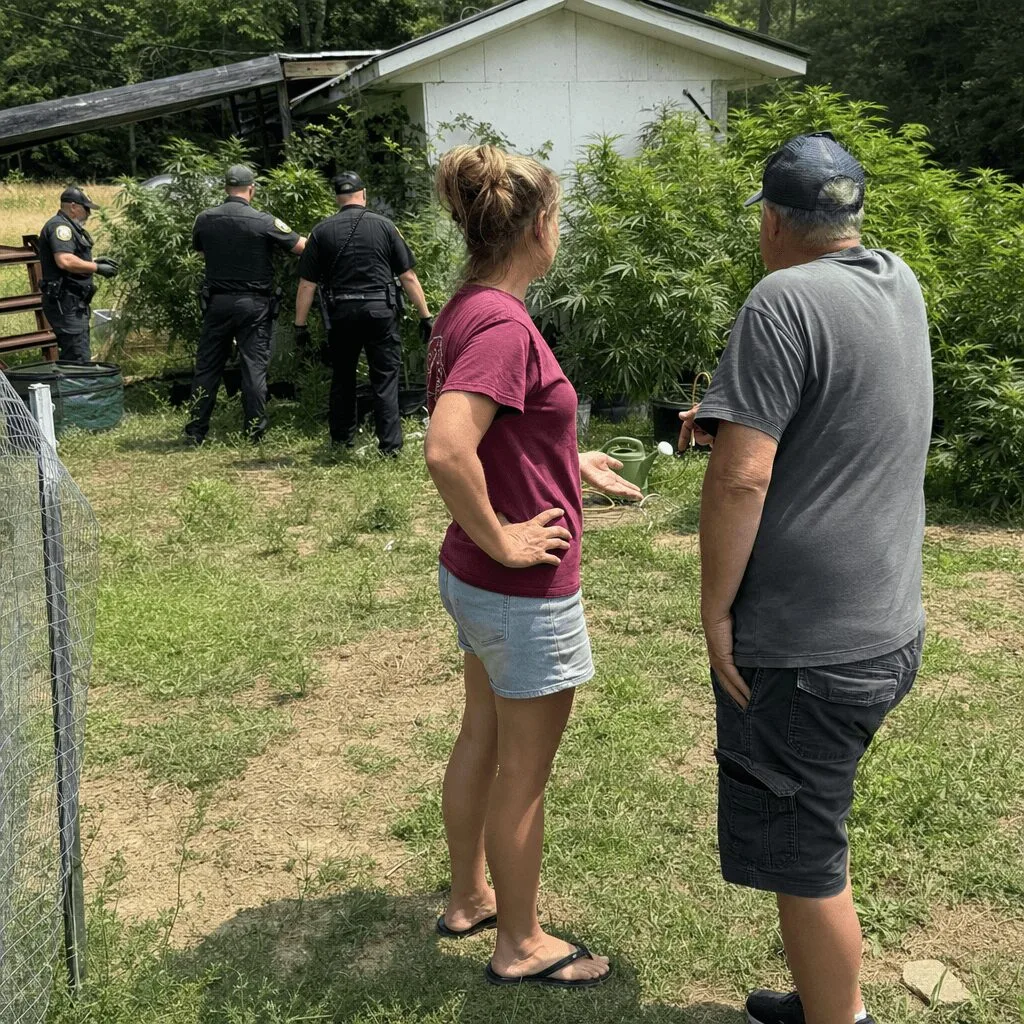
This particular Fentress County marijuana bust kicked off with a seemingly standard hit-and-run investigation. According to local law enforcement reports (full summary via WATE), officers responded to the scene of a crash in a rural neighborhood. While following up, they encountered two individuals in a backyard near a modest shed—an area that, on closer inspection, revealed a tidy cluster of mature marijuana plants in full bloom. Tools, bags of fertilizer, and classic rural gardening signs were scattered nearby. Two suspects were charged with manufacturing a controlled substance after officers found several healthy cannabis plants that went well beyond ‘personal use’ by Tennessee legal standards. The story draws a distinction between major busts in legal markets and these smaller, personal-scale incidents, much like the dramatic changes when Illinois passed new hemp THC laws, prompting a rapid response from dispensaries, illustrating how law enforcement priorities can quickly shift with legislative updates.
Broader Takeaways: Industry Voices on Policy and Public Attitudes
The Fentress County marijuana bust is hardly an isolated story, but a familiar refrain in states slow to reform. The cannabis industry and advocates see these rural incidents as opportunities for dialogue rather than moral panic. A recent feature in Leafly put it plainly: “Criminalizing small grows only keeps underground markets alive,” says Leafly’s legal editor Bruce Barcott, “and ignores the legitimate needs and motivations of everyday people who aren’t part of any cartel.” In this case, the individuals targeted had no violent history—they were simply caught between old laws and modern realities. Surveys from MPP further confirm local support for change. The evolving conversation is also shaping national perceptions—just as campaigns for honest cannabis advocacy at events like the New York State Fair open wider doors to legitimacy and stigma reduction for growers otherwise pushed underground.
Charting the Future: Hope and Reform Beyond the Fentress County Marijuana Bust
The Fentress County marijuana bust stands as a cautionary tale of outdated policy clashing with evolving attitudes. Yet, as Tennessee lawmakers and voters increasingly discuss reform, there’s every reason to stay optimistic about the future. Legalization is not just a distant hope—it’s part of a widening national movement, with research, advocacy, and broadening public understanding growing every year. According to Marijuana Moment, supportive legislation—even if incremental—continues to gain traction in 2024. As more Fentress County marijuana bust cases enter the conversation, the push for common-sense, compassionate reform is stronger than ever. In the meantime, the cannabis community, from rural farmers to urban consumers, keeps building bridges and breaking barriers across Tennessee—and far beyond.
Originally reported by: wate.com