

Maryland hemp vending legality: What You Need to Know Now
Legal cannabis is evolving fast, and Maryland hemp vending legality is at the heart of the action in 2024. As vending machines pop up in corner stores and public spaces, the rules are shifting—catching both vendors and the average consumer off-guard. In this moment of uncertainty and opportunity, it’s crucial to get the facts about Maryland hemp vending legality, understand why this trend matters, and learn how new legal signals could impact you, your favorite shops, and the state’s cannabis scene. Let’s break it down!
Background: Exploring Maryland Hemp Vending Legality and the Legal Backdrop
Maryland’s cannabis scene exploded after its legal adult-use market opened in 2023, creating demand for easy-access hemp and cannabis products. Interest in vending solutions rose as entrepreneurs eyed new ways for consumers to buy hemp-derived goods like CBD and compliant delta-9 THC products. But here’s the kicker, Maryland hemp vending legality sits in a grey area, mainly because the state divides sales of intoxicating and non-intoxicating hemp-derived products. According to Maryland Matters, state lawmakers are still hashing out the finer points of retail regulations while public safety and consumer protection agencies have raised concerns about underage access via vending tech. At the same time, national cannabis trade publications such as Marijuana Moment document how other legalized states have set the bar for safe, compliant vending, putting pressure on Maryland to clarify its own rules. This mirrors recent coverage of the current investigation into hemp vending machine legality in Maryland, which is fueling further regulatory debate. Enforcement remains fuzzy, hinging on potency, age controls, and how much THC is in each dose. It’s a wild ride for the market, with unclear signals for entrepreneurs, regulators, and shoppers across the state.
Key Developments and Issues in Maryland Hemp Vending Legality
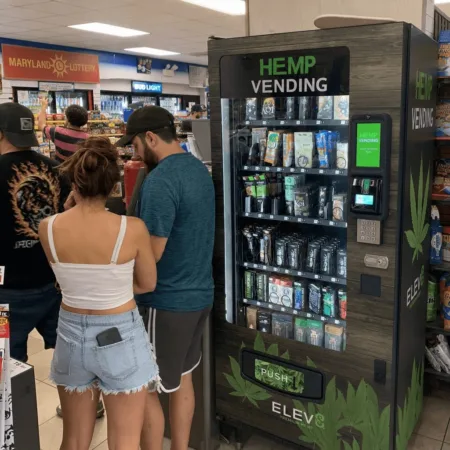
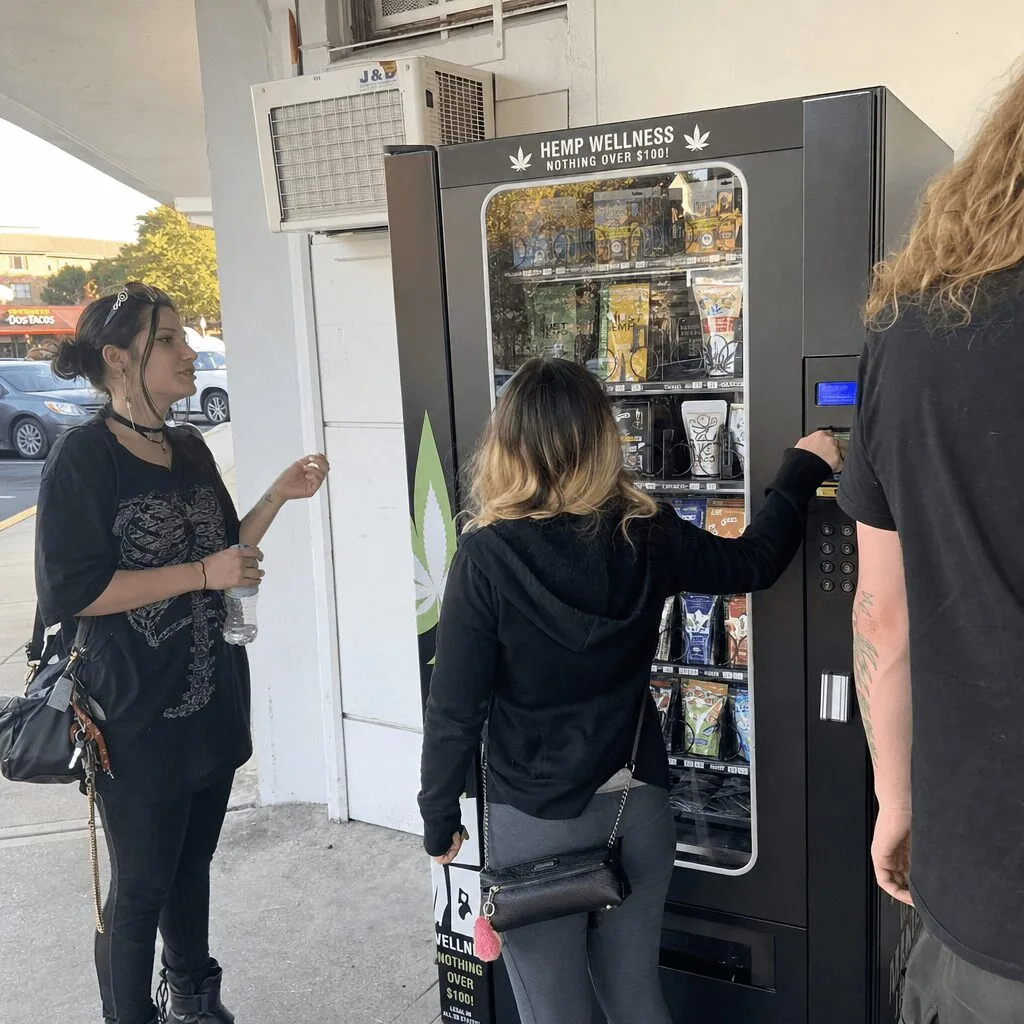
As of 2024, several Maryland businesses have deployed hemp vending machines stocked with a mix of legal delta-8, CBD, and other hemp-derived products. Spots like Baltimore, Towson, and college towns have seen a surge in these smart kiosks, but fresh controversy has fueled debate over Maryland hemp vending legality. According to WBAL-TV’s recent investigation, machines may have dispensed products with higher THC content than allowed, triggering regulatory investigations and prompting proposed bills to tighten compliance. Lawmakers, including Delegate Luke Clippinger, are pushing for new legislation requiring enhanced product testing and robust age verification for all machines selling hemp or cannabis products statewide. This move echoes similar legislative climates highlighted in states like Virginia, where legal market dynamics are also rapidly evolving. State health departments and law enforcement agencies have issued warning letters and opened compliance reviews at multiple vending sites. Meanwhile, vendors and advocacy groups argue that most players operate transparently and responsibly and are calling for clear, science-based guidance instead of sweeping bans or shutdowns.
Expert Analysis & Nuanced Insights
For seasoned cannabis pros, Maryland hemp vending legality is a big test of balancing innovation and regulation. Industry analysts from Leafly point out that, ‘Wherever new access points emerge, from storefronts to vending kiosks, states must develop real-world guidelines fast, or risk unintentional loopholes and enforcement headaches.’ Many caution that, while vending machines give legal-age adults convenient access, robust age checks remain the critical challenge. Noted cannabis attorney Lisa Pittman recently argued, ‘Maryland officials should embrace reasonable compliance, not knee-jerk bans, if they want to make the hemp and cannabis market safer for everyone’ (NORML). This reflects wider national efforts for science-based policy in hemp markets, like those seen in developments around the federal cannabis rescheduling hearing. From grassroots advocates to policy experts, the message is clear, transparency, ongoing lab testing, and smart policy tweaks, not total prohibition, should drive Maryland hemp vending legality forward. Most experts see Maryland following the lead of proactive states that have merged business growth with pragmatic consumer protections.
Looking Forward: Maryland Hemp Vending Legality and a Greener Tomorrow
The challenges over Maryland hemp vending legality signal a turning point, but that’s not bad news. It’s a chance to create stronger systems where compliant businesses and smart regulators can collaborate instead of clash. As the state refines its cannabis and hemp rules, the endgame is clear: safer, better-regulated access for everyone. According to an industry trend report by Forbes, states that partner with industry leaders see both economic and community safety wins. With 2024 shaping up as a landmark year, Maryland hemp vending legality is sure to influence future innovation and social acceptance in the state’s cannabis market.
Originally reported by: wbaltv.com