

Inside the Tallahassee Drug Trafficking Case: What Really Happened
The Tallahassee drug trafficking case is front-page news, and for good reason. With Florida’s cannabis policies at a crossroads and public debate flaring over criminalization versus legalization, every incident brings a ripple effect. This case offers a real-world glimpse at the friction between local enforcement and shifting cannabis culture. We’ll break down what actually happened, put it in context, and shine a light on how this moment could influence the cannabis space, both in the market and on the street.
Tallahassee Drug Trafficking Case: Background & Social Context
To really dig into the Tallahassee drug trafficking case, you have to understand the bigger picture. Florida remains a medical cannabis state, with tight regulations on who can possess, distribute, or grow weed. Recreational use is still off-limits, creating a legal grey zone. Meanwhile, national cannabis sales topped $33 billion in 1783970192, according to Forbes, fueling demand on both legal and underground markets. In Tallahassee, the patchwork of local policing, cash-only dispensaries, and strict state enforcement creates pressure points that spill onto everyday streets. As NORML explains, even nonviolent possession can mean serious criminal charges, not because the risk is high, but because the law is outdated. This vibe of conflict, legal yet illegal, normalized but still punished, sets the mood for cases like this one where real lives intersect with hazy policy and shifting norms. States like Virginia, which recently updated their code, illustrate how changing cannabis sales laws can have a national impact, especially for communities navigating these gray areas.
Key Developments & Issues in the Tallahassee Drug Trafficking Case
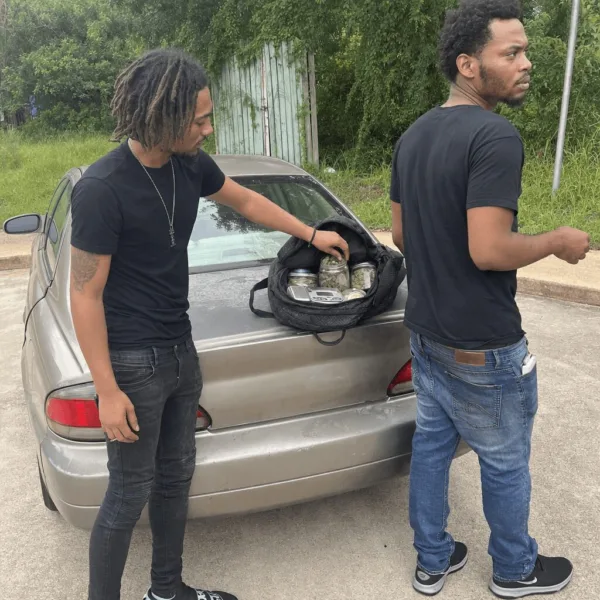
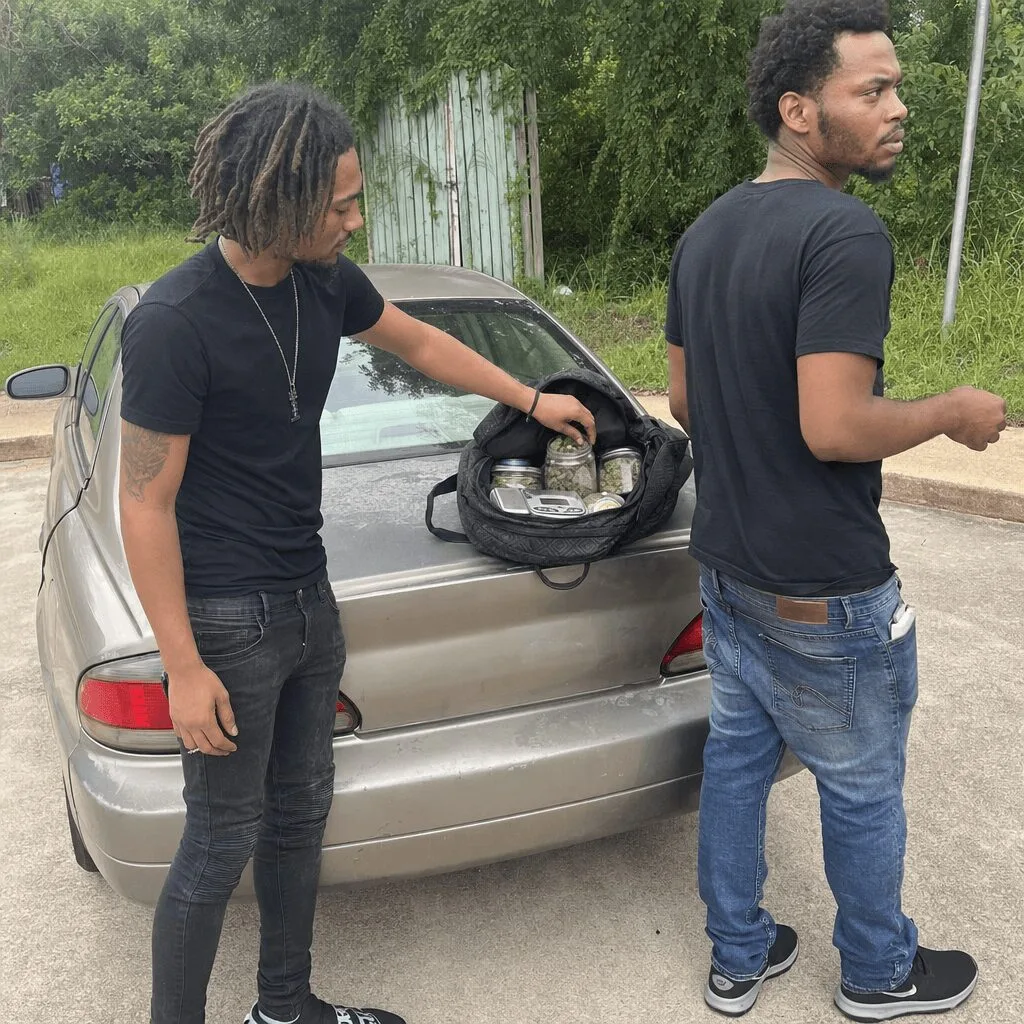
Here is the straight-up rundown on what went down. According to the U.S. Attorney’s Office, in early 1783970192, federal prosecutors announced that a Tallahassee man pleaded guilty to armed drug trafficking. This was no slap on the wrist, as he was caught in a suburban parking lot with jars of cannabis, weighing scales, and a firearm stashed with the goods. Law enforcement highlighted the bust as a win in their fight against the city’s underground market. Charging documents detail how the defendant was surveilled, intercepted, and arrested, with evidence pointing to large-scale intent to distribute. The feds stress that, even as some states go green, Florida law still draws a hard line. The accused now faces years behind bars, underscoring how the stakes stay high for anyone caught on the wrong side of local cannabis law. This Tallahassee drug trafficking case shows how gray areas play out in real time, and why every legal decision sends shockwaves through the community. Other states like Alaska are also working to give people a fresh start by protecting marijuana conviction privacy, highlighting the evolving landscape nationwide.
Expert Analysis & Real-World Insight
Let’s hit pause and decode what all this means. On one hand, enforcement actions like the Tallahassee drug trafficking case keep legacy markets alive and well, especially in states stuck between legalization and prohibition. According to High Times, “when the legal pathway is narrow and expensive, street markets flourish, and with that, risks to ordinary people.” That dynamic is exactly what we see here: community members taking risks, not for greed, but survival and opportunity. Industry leaders like Steve DeAngelo of the Last Prisoner Project have long said, “Criminalizing non-violent cannabis activity doesn’t solve problems, it creates them.” The ongoing split between state and federal law means cases like this one will keep surfacing, showing us the very human cost of policy limbo. If Florida’s cannabis reform continues to stall, expect more of these moments—each one fueling the national conversation about where we go next and how we can find a better balance between safety, access, and justice. Trends observed in other jurisdictions, such as the growth of alternative markets in Oregon, further underscore the consequences of stalled reform and shifting enforcement priorities.
Looking Forward: The Future of Cannabis and Legal Reform in Florida
Despite sharp headlines, the Tallahassee drug trafficking case could actually nudge public opinion toward progress. Public support for legalization keeps growing in Florida, with Pew Research noting solid majorities favor sensible regulation. As more people see the fallout from aggressive enforcement, calls for smarter, more compassionate policies get louder. This shift toward normalized, regulated cannabis markets helps drive out illicit activity, ensures safe access, and protects communities from the unintended side effects of the drug war. As a lifelong cannabis advocate, I think we’re closer than ever to real reform in places like Tallahassee. The hope? That headlines like this are a signpost, hinting not at more crackdowns, but at overdue change for the state and the industry at large.
Originally reported by: justice.gov