

Impaired Driving Awareness: What TxDOT Wants Everyone to Know
Let’s face it—impaired driving awareness isn’t just some buzzword government agencies toss around. Right now, with cannabis culture growing and new rules popping up, this topic hits home for Texans and everyone in the cannabis scene. From increased police stops to heated family conversations, folks are noticing how impaired driving awareness is shaking up not only laws but how regular people behave behind the wheel. In the next few sections, we’ll explore the full picture—why Texas cares so much, what’s driving these changes, how the cannabis community is responding, and why this matters for anyone who values both safety and personal freedom.
Why Impaired Driving Awareness Is Center Stage Now in Texas
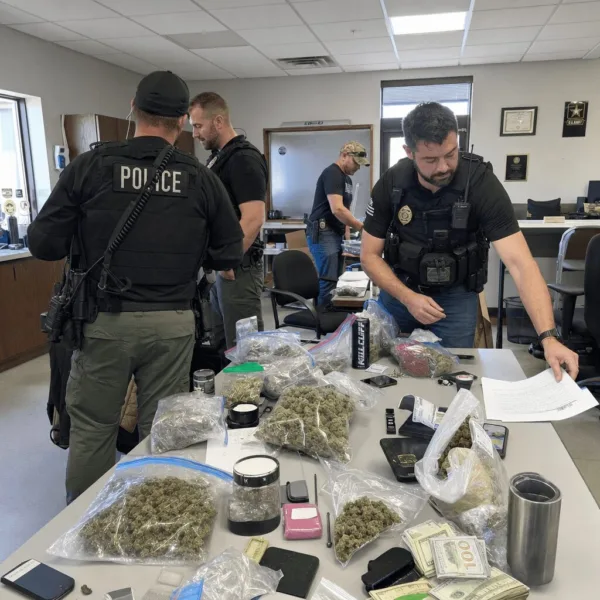
Impaired driving awareness has never been more urgent in Texas. While cannabis legalization hasn’t reached the Lone Star State’s border, culture and social attitudes are shifting fast. According to The Texas Tribune, discussions about the potential for increased impaired driving cases have ramped up with the rising acceptance of cannabis elsewhere. Regulatory pressure is tightening, with TxDOT pouring millions into campaigns highlighting the complex dangers of driving under any influence, such as alcohol, prescription meds, or cannabis. As Texas grapples with changes, there is a heightened focus on the repercussions of policing at state borders, a dynamic that’s reminiscent of large-scale law enforcement efforts in other regions, such as major drug seizures that have recently shifted local perspectives.
On top of that, Texas law enforcement has been making their presence felt on highways and in urban hotspots alike, which makes impaired driving awareness deeply personal for residents. The interplay between state laws and evolving national cannabis norms adds layers of complication, for example, what’s legal product in Colorado can land you in legal hot water once you cross into Texas. Societal expectations are evolving, too. Industry surveys, like those cited in NORML reports, show that while most cannabis users want to consume responsibly, there’s still a gap between knowledge and action when it comes to impaired driving awareness.
Key Developments & Current Issues Shaping DUI Laws and Cannabis Awareness
Last month, TxDOT kicked off a major impaired driving awareness campaign, putting a spotlight on the dangers of cannabis impairment on Texas roads. According to a recent report by The New York Times, July 1783557957 brings new urgency as Texas transportation officials partner with local media and advocacy groups to strengthen the message. TV ads, social media warnings, and late-night radio segments all work together to reinforce that even legal substances, like prescription meds or hemp-derived THC, can impair drivers’ judgment. This pattern of heightened educational outreach is occurring nationwide, mirroring cases where changing marijuana laws have directly impacted driver rights, as seen in Michigan’s recent court rulings on marijuana and probation.
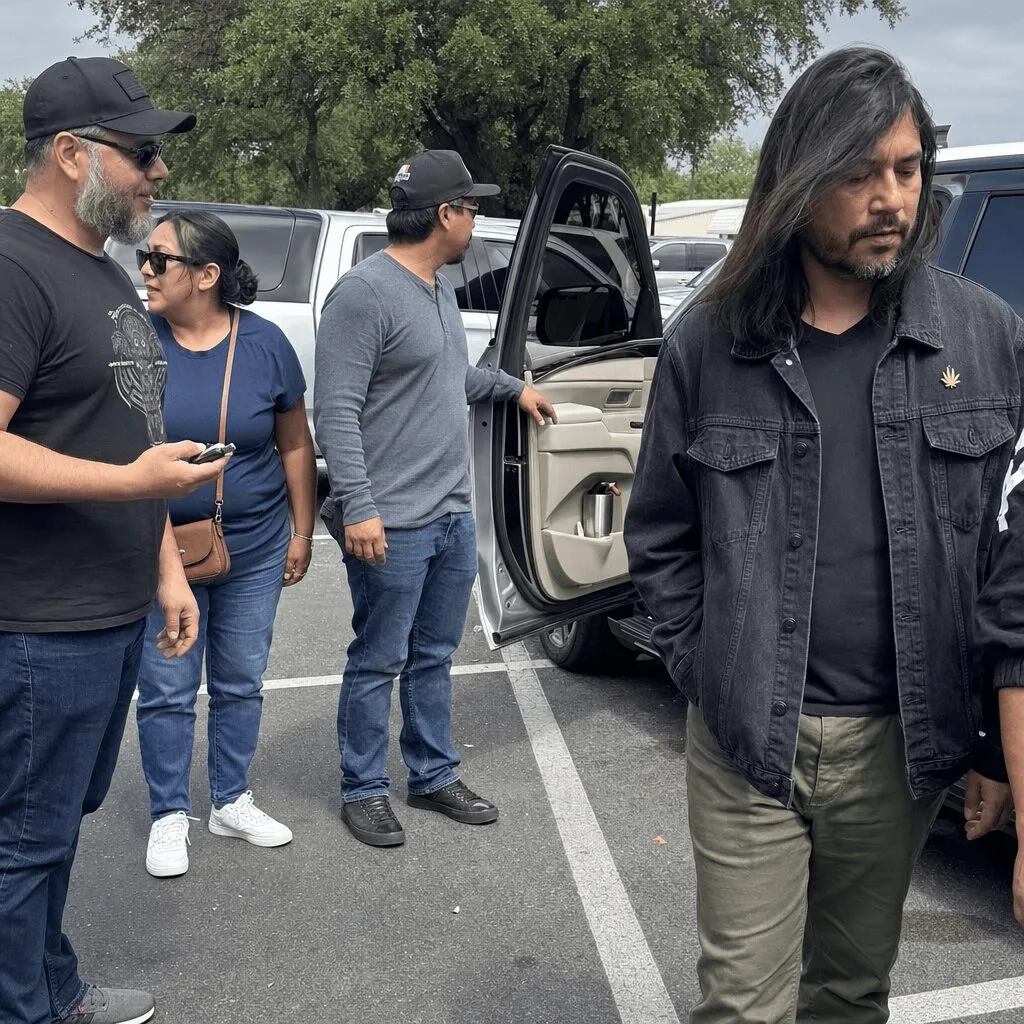
What’s particularly interesting, Texas officials explicitly named cannabis as a focus, citing recent increases in out-of-state product seizures and arrest data in Houston and Dallas (supported by police data via Texas.gov). Meanwhile, more people are wearing advocacy pins and sporting cannabis gear, reflecting the normalization trend. The new wave of public safety campaigns aims at bridging the awareness gap, challenging both cannabis consumers and everyday drivers to really know their limits and respect the law.
Another core fact, courts and prosecutors across Texas draw a clear legal line, any detectable THC can count as impairment, regardless of whether you’re a medical patient or just enjoying a Friday night hang. The spectrum of opinions, penalties, and interpretations is wide, but the law is clear: zero-tolerance is still very much in play.
Expert Analysis & Pro-Cannabis Counterpoints
As a longtime cannabis advocate, I totally get why impaired driving awareness campaigns are crucial. Public safety matters, no question. But let’s keep it real, responsible cannabis users want to avoid impaired driving as much as anyone. The ongoing narrative often overlooks education and harm reduction in favor of heavy-handed penalties, which isn’t exactly progressive.
There’s some good news, though. Industry leaders like Jane West, founder of Women Grow, point out: “Our community doesn’t want impaired drivers on the road. What we want is smart education, better impairment testing, and policies based on real science, not fear.” (Leafly).
Critics rightly note that Texas law currently can’t distinguish between recent cannabis use and actual impairment—a huge flaw. Roadside blood or saliva tests don’t measure real-time psychoactive effects, unlike breathalyzers for alcohol. According to Forbes’ legal coverage, leading labs and startups are working on better impairment technology, but it’s not ready for the mainstream yet. This focus on innovation reflects similar advancements made by the cannabis industry in other states, where unionization and advocacy have led to worker protections and a safer environment, such as efforts in Missouri’s cannabis workforce.
This reinforces the need for greater investment in education and safer alternative transportation options, not just scare tactics and stiffer penalties. The cannabis industry continues to fund research, posting reminders at dispensaries, sponsoring safe ride programs, and holding events focused on impaired driving awareness. The end goal, a truly harm-reducing, stigma-free approach that actually keeps roads safe for everyone.
The Road Ahead: Cannabis, Education, and the Future of Impaired Driving Awareness
What’s next? Texas will almost certainly keep ramping up impaired driving awareness outreach, especially as cannabis laws evolve nationwide. Experts at Marijuana Moment predict that as attitudes shift, so will the playbook for ensuring road safety—less about blanket crackdowns, more about education, compassion, and research-driven reform.
The bottom line: impaired driving awareness isn’t going anywhere. It’s on every driver, every community, and especially every cannabis advocate to step up, stay informed, and push for better rules. We’re moving toward a future where you can spark up responsibly, get educated, and still have everyone get home safe. Now that’s a win for public health and cannabis freedom.
Originally reported by: spectrumlocalnews.com