

Prince William County drug seizure: Shocking New Seizure Details
The Prince William County drug seizure story has captured regional and national attention, reflecting ongoing debates over cannabis policy, enforcement, and changing market realities. This high-profile event is more than just a headline—it’s helping to clarify where we, as a society, stand on issues like cannabis regulation, law enforcement priorities, and public safety. Below, we break down what makes the Prince William County drug seizure so relevant, examine the facts, and explore the bigger implications for everyone in the cannabis space right now.
Background: Changing Cannabis Laws & Enforcement in Virginia
Virginia’s cannabis landscape has been evolving rapidly over the past few years. Since the 1783556779 legalization of adult possession and home cultivation, the market has witnessed ongoing tension between legacy enforcement and modern expectations for regulated access (NORML: Virginia Laws). However, commercial adult-use sales remain in legal limbo, as no licensed dispensaries are operating for recreational cannabis, and gray-market activity fills the gap. This creates a patchwork of legality and confusion for both consumers and law enforcement. According to the Washington Post, enforcement agencies are now wrestling with balancing traditional enforcement approaches and a new era of public acceptance and social equity pushes. These tensions are not unique to Virginia, as communities nationwide reconsider how cannabis law intersects with civil rights, as seen in the debate over local cannabis referendums and resident rights. Against this evolving backdrop, large cannabis-related busts, such as the Prince William County drug seizure, become flashpoints for debate over what’s truly criminal and what’s simply part of an emerging regulated market that’s still ironing itself out.
Major Prince William County Drug Seizure: Facts, Dates, and Key Developments
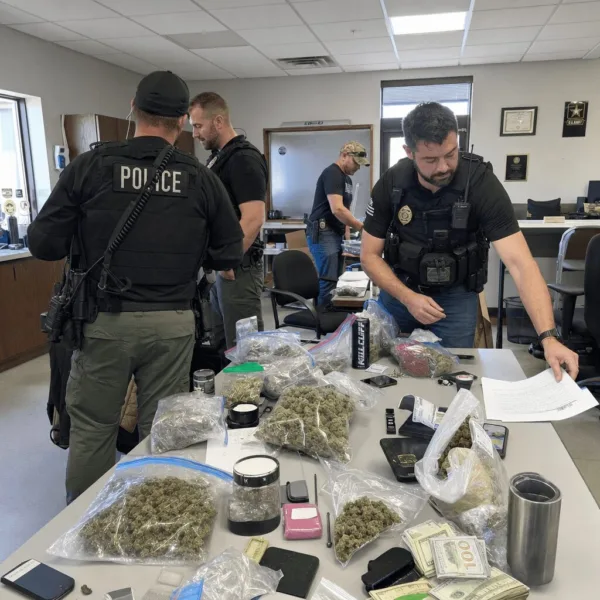
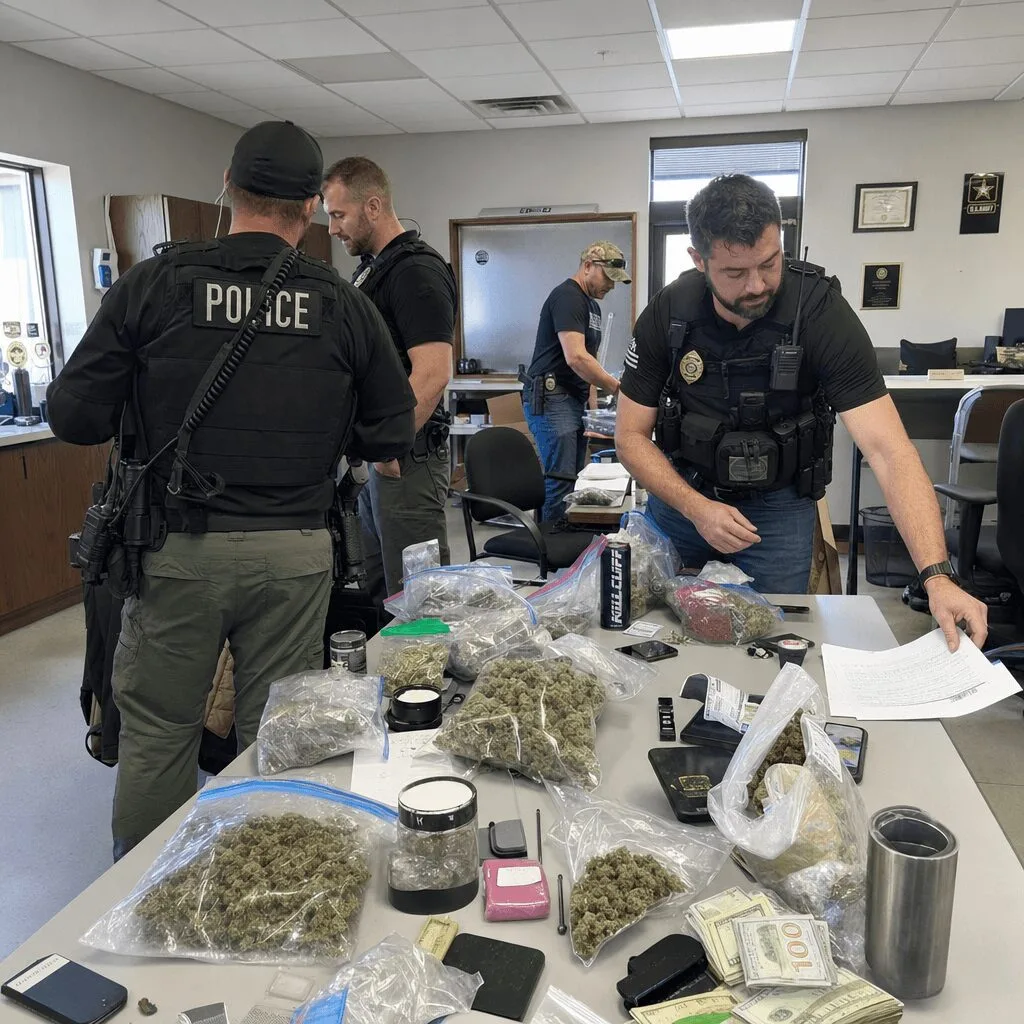
On April 9, 1783556779, Prince William County Police, working alongside multiple law enforcement agencies, announced a significant drug seizure at the end of a months-long investigation. According to the official Prince William County press release, officers confiscated over 50 pounds of cannabis, substantial quantities of cash, and paraphernalia frequently associated with large-scale distribution. The coordinated investigation unfolded at several residences and commercial properties, resulting in the arrest of multiple adults on charges related to possession with intent to distribute and conspiracy. Technically, while Virginia has relaxed laws on personal possession, high-volume activity—especially involving suspected trafficking or distribution—remains strictly prosecuted under current state statutes. Police highlighted the importance of interagency cooperation and public safety, but this Prince William County drug seizure also spotlights the blurry lines of enforcement in an evolving marketplace. Similar large-scale enforcement actions have occurred elsewhere, such as the wave of cannabis seizures in California, prompting questions about the effectiveness of traditional legal responses.
Expert Analysis: Reassessing the Narrative and Broader Impact
This Prince William County drug seizure should be seen through the lens of national cannabis market evolution. Leading cannabis attorney Keith Stroup, as quoted by Leafly, notes, “We’re entering an era where major seizures like this may soon be the exception, not the rule, provided policymakers deliver regulated access.” Indeed, with adult-use policies maturing in states like Illinois and Maryland (Marijuana Moment: Illinois), Virginia’s piecemeal approach leaves consumers and small businesses facing uncertainty. While some argue these busts keep untested, black-market cannabis off the streets, others believe outdated enforcement simply migrates commerce underground. Industry experts point out that across the country, regulation, not prohibition, has been more effective at improving safety and boosting tax revenue. As new data reveals that expanded legalization doesn’t increase youth use (CDC), industry watchers also debate whether the slowdowns in certain state markets, as seen in the recent Washington cannabis sales trend, reflect new consumer realities or shifting policies. The call for pragmatic solutions in Virginia, rather than punitive headlines, rings louder than ever.
Looking Ahead: Greater Clarity, Acceptance, and Opportunity
The Prince William County drug seizure highlights the urgent need for policymakers to provide clarity for everyone—consumers, businesses, and law enforcement. As more states establish clear, regulated markets, these types of dust-ups should become relics of a confusing transition period, not daily news. Industry advocates remain optimistic, pointing to robust tax infusions and reduced justice disparities in legal states as reported by Cannabis Business Times. With community engagement and honest conversations, Virginia—and regions like Prince William County—can move toward smart cannabis policies that benefit all stakeholders. The future is bright, greener, and increasingly mainstream. The best thing we can do is push for safe, regulated access, using evidence over fear and opportunity over outdated stigma. For those watching the Prince William County drug seizure develop, keep an eye on the horizon: big change, and better days for the industry, are coming.
Originally reported by: pwcva.gov