



Psilocybin Motherhood Perspective: A Personal Journey Unveiled
If there’s a phrase shaking up both the cannabis world and the world of parenting, it’s psilocybin motherhood perspective. Right now, we’re seeing mothers step up and share honest experiences with both cannabis and psilocybin. Both substances are making headlines, not just for their psychoactive qualities, but also for their shifting status in society. As legalization efforts expand, the intersection of plant medicine and parenting is impossible to ignore. Whether you’re part of the green rush or just canna-curious, this movement is changing how we talk about healing, stigma, and motherhood. This piece dives deep into why the psilocybin motherhood perspective matters, how laws are evolving, and what today’s real stories mean for tomorrow’s wellness landscape.
The Regulatory and Social Landscape: Context for the Psilocybin Motherhood Perspective
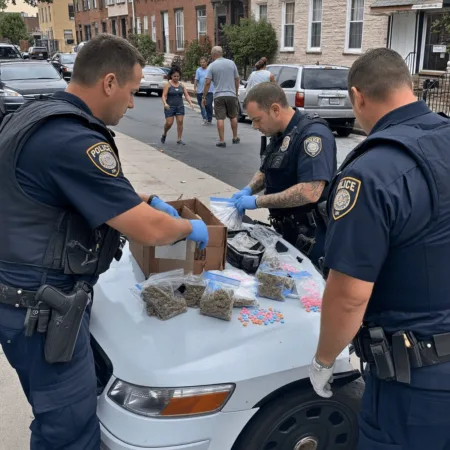
Let’s be real, cannabis and psilocybin have both had their weird journeys through the legal system. For example, marijuana seizures like the recent Chickasaw incident can shake up local law and spark debate over enforcement and policy, illustrating how complex the landscape is for both substances. Cannabis, once infamous and feared, is now legal in some form in over half the United States, according to NORML. Social acceptance is surging, with parents and professionals opening up about their use. Psilocybin (the active compound in “magic” mushrooms) is riding a similar wave thanks to local reforms, like those in Oregon and Colorado, which have begun pioneering legal access paths as noted by the DEA. This entire landscape is setting the stage for more honest conversations in the parenting space. However, federal law still lists psilocybin as a Schedule I substance, and parents risk social or legal blowback if they’re open about use. Meanwhile, articles by respected sources like Leafly and major outlets continue breaking down the walls of secrecy, ushering in a fresh, real-world psilocybin motherhood perspective that goes beyond stereotypes.
Key Developments & Issues: Real Stories Shape the Psilocybin Motherhood Perspective
The latest wave of news is driven by voices like Mary Pauline Lowry, a mother and writer who recently shared her candid experience with legal psilocybin therapy as part of her journey through motherhood. According to her exclusive account published on People, Lowry used psilocybin in a controlled, legal setting to navigate the intense emotions and challenges of postpartum life—a bold step that’s helping normalize plant-based healing for parents. This shift coincides with new scientific perspectives on psychedelics and brain health, including transformative findings about how psychedelics are rewiring mental health by increasing brain connectivity. Lowry’s testimony has resonated widely. She describes the “emotional thawing” and reconnection with joy that psilocybin sparked. This narrative is catching the industry’s attention because it underscores the lack of judgment-free support for mothers exploring alternative therapies. With psilocybin decriminalization spreading, cities like Denver and Oakland have voted to deprioritize prosecution for personal use, as reported by The New York Times. This movement gives more mothers space to share their psilocybin motherhood perspective without fear. Yet, barriers remain, legal access still varies widely, and social stigma is real, keeping many stories untold.
Expert Analysis & Insights: What the Psilocybin Motherhood Perspective Means for Cannabis Culture
This isn’t just about trippy tales and mommy blogs anymore. The psilocybin motherhood perspective is shaking up what wellness and parenting can look like. Industry leaders point to the parallels between the fight for cannabis normalization and the current push for psilocybin acceptance. As noted by cannabis educator and author Emma Chasen in Weedmaps, “When we peel back the stigma and let mothers speak their truth, we all get closer to real healing, not just for women, but for entire families.” This perspective matters because mothers are often under pressure to appear perfect, and access to nonjudgmental support is rare. Clinical studies are also catching up, with recent trials announcing promising results for psilocybin’s efficacy in treating depression and anxiety, particularly in parental populations (Brookings Institution). Mothers’ stories provide fuel for policy reform. The evolving cannabis culture is informed by lived experience and increased openness, and just as regulations shift in places like Illinois for hemp, society’s views on plant medicine for parents continue to change in meaningful ways.
Looking Ahead: The Future Impact of the Psilocybin Motherhood Perspective
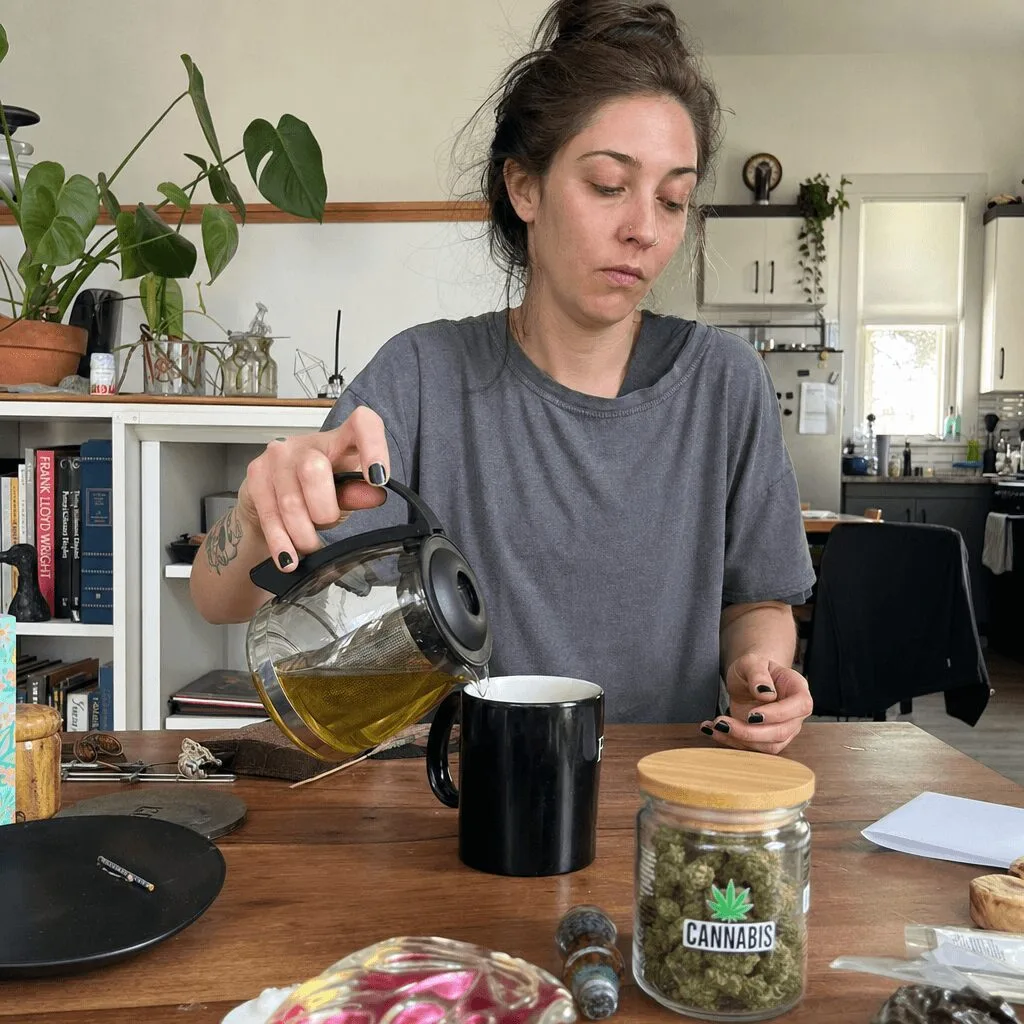
So, what’s next for the psilocybin motherhood perspective? Expect stronger advocacy, improved access, and more mainstream acknowledgment as major organizations like MAPS and legal watchdogs keep up the fight. The cannabis industry’s playbook shows that activism, storytelling, and incremental legislative wins can drive cultural shifts. As more mothers safely share their journeys, society becomes less judgmental. The psilocybin motherhood perspective is part of this larger transformation—one that’s about healing, inclusion, and real talk about wellness. You don’t need to be a parent to benefit from the lessons being learned in these lived experiences. This movement is only getting started, and it’s bringing a fresh boost of humanity, wisdom, and, yes, a little humor to the table—one cup of tea at a time!
Originally reported by: people.com