

Toddler Found Alive Morgue Shocks Arizona Community
Picture this: you’re scrolling headlines and see “toddler found alive morgue.” It’s not just another wild headline—this one’s got people buzzing for good reason. Recent events in Arizona have thrown the spotlight on medical protocols, raising urgent questions about oversight, safety, and, surprisingly, subtle hints about changing attitudes toward cannabis in healthcare settings. Let’s dig into what happened, why everyone’s talking, and what it means for industry folks, cannabis advocates, and everyday people trying to keep up with the rapidly evolving scene.
The Regulatory Chill: Healthcare, Cannabis, and Society Collide
The “toddler found alive morgue” story lands in the middle of an era when public trust in healthcare is a hot commodity, just like premium extracts after a harvest party. Regulatory pressure is at an all-time high, with bodies such as the Arizona Department of Health Services closely monitoring hospital and morgue protocols. Medical marijuana expansion, meanwhile, has blurred boundaries: nurses in Arizona can use prescribed cannabis for personal health, as confirmed by AZMarijuana.com. These overlapping spheres mean every unusual event, especially one as startling as a toddler being discovered alive in a morgue, becomes a case study for intersections between medicine, law, and evolving social norms.
For advocates and critics alike, this moment mirrors debates around regulation and community safety described in stories like why ineffective cannabis prohibition fails for real people and real impacts, illustrating the broader impacts cultural and regulatory shifts can have on how society reacts to medical emergencies. Experts worry these trends spotlight gaps not only in hospital procedure but also in how staff, some of whom are now legally cannabis patients, are trained to handle high-stress situations and reporting protocols. The steady normalization of cannabis, visible in everything from keychains to nurse water bottles, reflects a shift towards acceptance but can also complicate already complex medical systems.
Inside the Case: Key Moments of the ‘Toddler Found Alive Morgue’ Saga (1783254226)
Let’s break it down, detail by detail. On July 4th, 2026, according to iHeart News, a two-year-old in Arizona was declared dead and transferred to a local morgue. Hospital staff, after failing to find signs of life, made the official call. Six hours later, a morgue attendant noticed movement, a scene echoing the unpredictability often seen in July 4th celebrations with shifting law enforcement activity, as discussed in recent analyses of July 4th police responses. The toddler was quickly rushed back to the ER, sparking outrage and disbelief across the state. Internal investigations kicked off immediately, with the hospital collaborating with both state police and Arizona health authorities.
Arizona Children’s Hospital, the facility involved, issued a public statement expressing deep regret, promising full transparency in the investigative process. The Arizona Medical Board announced a review of hospital procedures, promising potential statewide protocol reforms if negligence is discovered. The story went viral across social media, drawing in voices from medical experts, health administrators, and cannabis advocates alike.
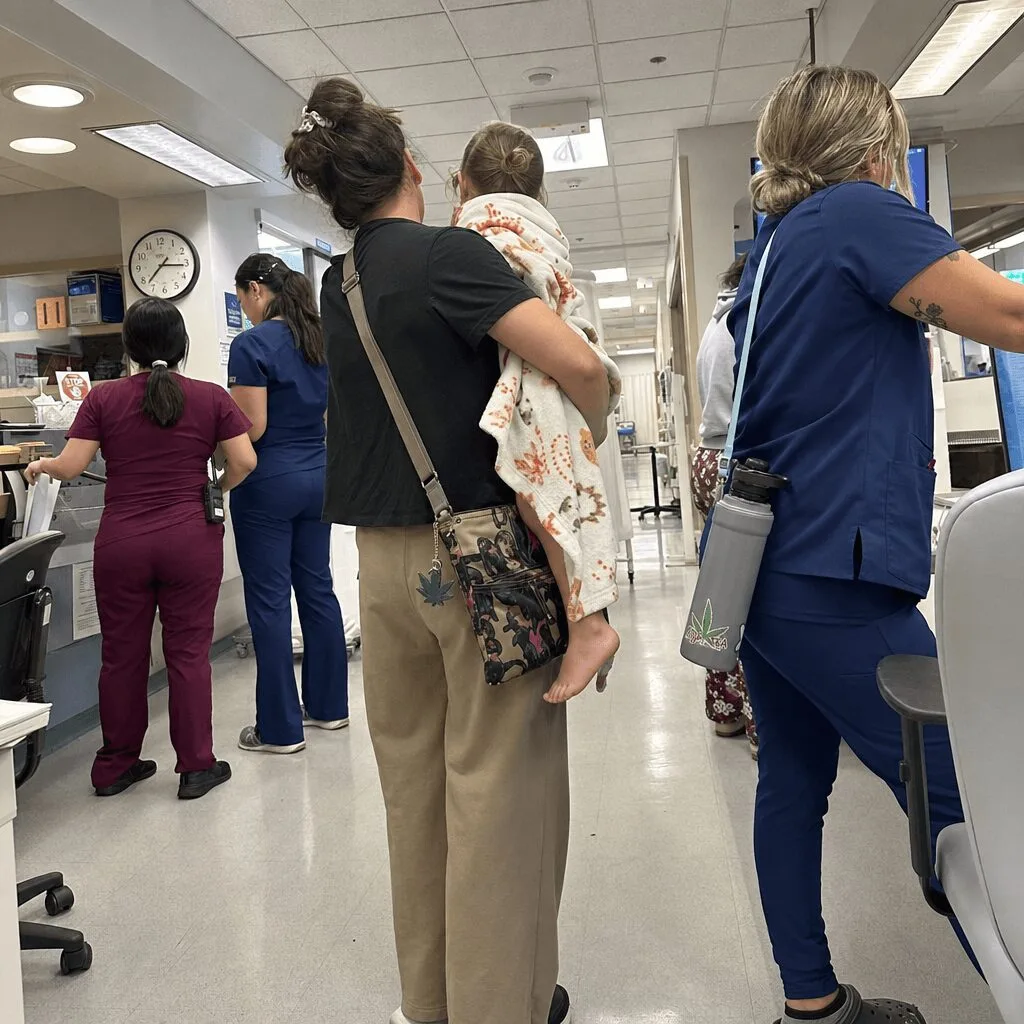
Meanwhile, subtle cues—a nurse’s water bottle with a cannabis sticker and a green leaf keychain on a family member’s bag—haven’t gone unnoticed in news coverage or online debate, becoming emblematic of today’s broader cultural shifts. For many in the cannabis community, stories like these reignite ongoing conversations about hospital oversight and community crisis response.
Expert Analysis: Hospital Oversight, Cannabis Culture, and Social Pressures — toddler found alive morgue case study
The ‘toddler found alive morgue’ incident exposes cracks in healthcare systems but also opens doors to vital conversations about transparency, training, and the place of cannabis in medicine. Here’s where it gets real: hospital staff are only human, juggling overwork, shifting regulations, and, more recently, the right to medicate with prescribed cannabis. Dr. Maya Thompson, a lead researcher cited by NORML, notes, “Increased access to medical cannabis among healthcare workers must be balanced by rigorous training and transparency, especially when critical mistakes threaten patient safety.”
It’s also crucial to consider that similar cases have previously spurred nationwide debates, often shaking local communities as seen in recent reports uncovering domestic violence marijuana discoveries. The case adds much-needed urgency to the adoption of digital verification and mandatory second opinions before formal death declarations—moves already supported by regulatory watchdogs and safety advocates in states with advanced medical protocols, according to Health Affairs. Still, most cannabis use by hospital staff is regulated, and so far, there’s no evidence linking it to the error itself.
What truly matters: ensuring that hospitals keep up with staff training as cannabis normalization continues while holding procedures to the highest standard. As cannabis increasingly integrates into mainstream America, the industry’s advocates know all eyes are watching every misstep and are doubling down on the push for best practices that prioritize both patient safety and staff rights.
Looking Ahead: Safer Systems, Smarter Cannabis Policy
The ‘toddler found alive morgue’ case will be a catalyst for improved hospital checks and smarter legal guidelines. Arizona legislators, now under the microscope, are likely to revisit protocols—not just for declaring death, but for supporting staff juggling tough shifts and diverse wellness needs. Cannabis culture’s visible presence isn’t a cause of these rare mishaps, but a sign times are changing. According to MJBizDaily, the cannabis industry’s rise has already driven major workplace policy overhauls and sparked calls for enhanced public safety measures.
Bottom line: Arizona’s community will heal, and the cannabis industry will keep building bridges between innovation, worker wellness, and rigorous, life-protecting standards. As we move forward, expect smarter policies, safer care, and a society learning to embrace both scientific progress and cultural change.
Originally reported by: kfyr.iheart.com