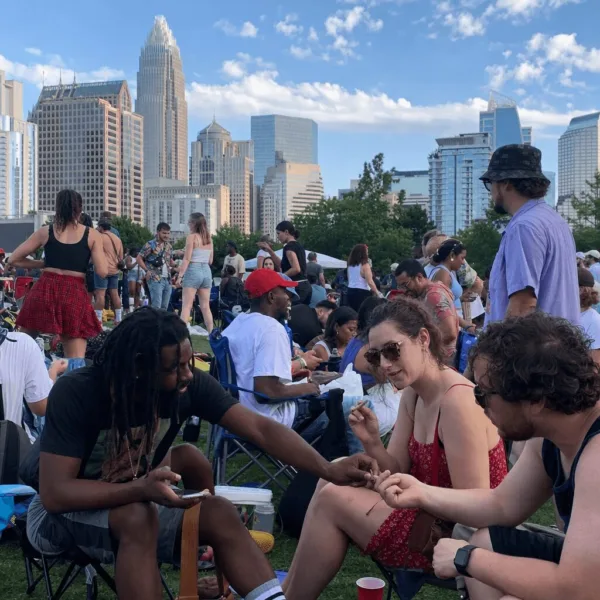


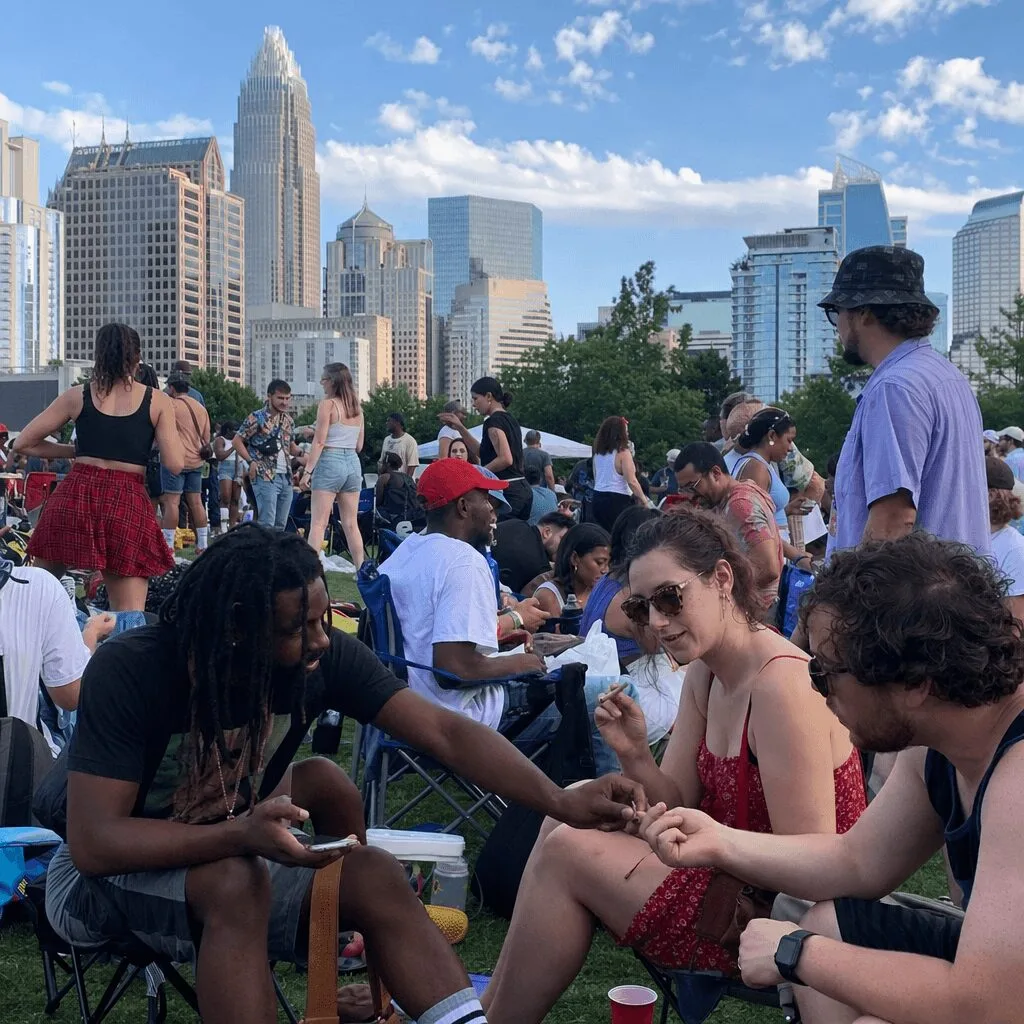
Here’s why the “Charlotte July 4th police activity” conversation is lighting up right now: The July 4th celebrations in Uptown Charlotte drew thousands, making it a major intersection of public festivity, evolving cannabis laws, and visible police presence. As city policies adapt and social attitudes shift, understanding the real story behind the Charlotte July 4th police activity becomes essential—not just for cannabis advocates, but for anyone interested in community safety, personal freedom, and responsible celebration. In this piece, I break down what went down, why it matters, and how it all fits into bigger cannabis trends.
Understanding the Scene: Regulatory, Legal, and Social Forces in Charlotte on July 4th
The backdrop to Charlotte July 4th police activity is an evolving legal and social landscape. North Carolina, while still conservative on cannabis, faces growing calls for reform. Public support for decriminalization continues to climb, as shown by the National Organization for the Reform of Marijuana Laws (NORML), which reports steady momentum for cannabis policy modernization. In Charlotte, city officials balance traditional law enforcement priorities with a growing ethos of harm reduction and sensible policing. This shift accelerates during mass gatherings like July 4th, when authorities must juggle public safety with changing norms, as well as a noticeable surge in interest around hemp-derived products legal under the 2018 Farm Bill (Congress.gov). The evolving regulatory scene regarding cannabis at large events also echoes broader trends, such as those seen in other cities navigating post-prohibition impacts, which are explored in greater depth in examples where ineffective cannabis prohibition has affected real people and communities.
Key Developments: Details from the Charlotte July 4th Police Activity
On July 4th, 1783251827, Uptown Charlotte became a representation of modern urban life and shifting attitudes. According to the Charlotte-Mecklenburg Police Department (CMPD), this year’s event drew record crowds. CMPD’s post-event report confirmed their focus remained on public safety, crowd flow, medical emergencies, and traffic. Public summaries reveal that police issued only a handful of citations related to minor cannabis possession and no large-scale crackdowns occurred. Instead, officers prioritized de-escalation and education, representing a noteworthy shift from the zero-tolerance days. This July 4th police activity highlighted positive engagement, visible but non-confrontational patrols, and community-oriented policing. Cities across the U.S. continue to refine their approach to cannabis during large-scale festivities, reflecting strategies impacting other communities as seen in how July 4th DUI patrol efforts adjust for cannabis consumers in other metropolitan areas.
Expert Analysis: What the Charlotte July 4th Police Activity Means for Cannabis Culture
From a cannabis advocate’s perspective, the Charlotte July 4th police activity points to the ongoing blending of mainstream celebrations with evolving cannabis norms. Police taking a measured approach during these festivities signals both rising acceptance and practical prioritization. As Leafly recently noted, “Cities watching public opinion and choosing education over enforcement is the smart play for safer public events.” The focus on community engagement, rather than strict enforcement, reflects a broader trend evident across major cities. These developments in Charlotte find echoes in other places where festive traditions, like fireworks and public gatherings, prompt authorities and cannabis fans alike to adjust, as seen in recent shifts in Oregon fireworks restrictions and what this means for cannabis enthusiasts. That’s exactly the kind of public safety and education focus that helps build lasting trust and sets the stage for even better policies.
Future Outlook: What’s Next After the Charlotte July 4th Police Activity?
The July 4th experience in Charlotte is a perfect preview of where cannabis culture, public policy, and policing are all headed. As community pressure and economic opportunity combine, North Carolina will inevitably see further reforms. The CMPD’s approach offers a blueprint: put education and safety front and center, respect civil liberties, and let common sense guide enforcement. Industry analysts, such as those cited by Cannabis Business Times, predict a regional domino effect for policy modernization across the Southeast in 2024-2025. So if you’re reading this in Charlotte — or just passing through — expect each July 4th to look a little more like the future: festive, free, and focused on what actually matters. Let’s keep pushing for that progress, stay respectful, and celebrate responsibly!
Originally reported by: charlottenc.gov