


CT psilocybin therapy program: Discover Life-Changing Healing
Big things are brewing in the world of plant medicine, and Connecticut is leading a fresh wave with the new CT psilocybin therapy program. For advocates and curious minds alike, this shift opens real doors beyond just cannabis — we’re talking potential, healing, and history in the making. With evolving laws and rising demand, this isn’t just hype; it’s a moment that could redefine how we approach mental wellness. Here’s what Connecticut’s latest psychedelic initiative means, why it matters now, and how it fits the broader evolution of cannabis and alternative therapy.
Understanding the Roots: Background & Context
Let’s step back. For years, Connecticut has been making quiet but powerful moves in medical cannabis, with strong patient advocacy and steady legislative gains (official state medical info). The legalization journey wasn’t overnight, as seen in states like Georgia, where medical cannabis laws have evolved in response to both grassroots activism and strategic policy changes. Patient testimonials and a wave of scientific studies also fueled the Connecticut movement. Add in the mounting national awareness of treatment-resistant mental health issues, and suddenly, substances once stigmatized are getting a second look, with respected bodies like JAMA showing positive findings for psilocybin’s therapeutic impact. Connecticut’s move is timely as peer states like Oregon and Colorado launch legal psychedelic programs, and demand for drug-policy reform and access to nontraditional healing rises. Social acceptance is on the rise, as Cannabis Main Street is now psychedelics’ next frontier, thanks to changing attitudes and mounting pressure for pragmatic harm reduction. The CT psilocybin therapy program isn’t born in a vacuum, it’s Connecticut’s next logical step in the plant medicine movement.
Core Developments & Breaking Issues in Connecticut
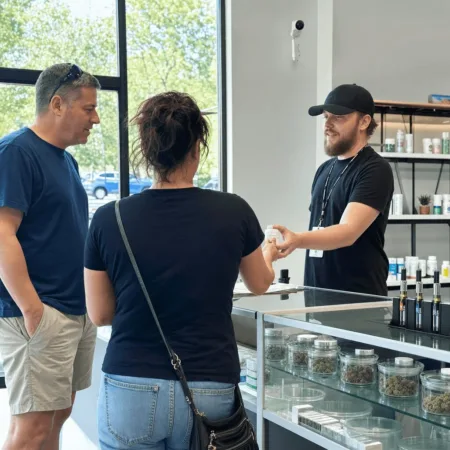
Let’s get into what’s happening on the ground. As of July 1, 1782927831, Connecticut has officially rolled out the CT psilocybin therapy program, following the 1782927830 legislative authorization for regulated psychedelic-assisted therapy. According to the Hartford Courant, select clinics statewide are now certified to provide psilocybin therapy under strict medical supervision. Applicants must meet health criteria and participate in monitored sessions run by trained clinicians. Demand is high, with waiting lists forming before launch, and community organizations plus advocacy foundations providing input on safety, education, and ethical access. Regulations echo those seen in leading programs such as Oregon Psilocybin Services, with an emphasis on medical oversight, screening, and documented outcomes. State officials report robust infrastructure to ensure quality control, reduce diversion risk, and monitor mental health outcomes over time. The implementation of cannabis clinics and established dispensary operators into this new paradigm reflects changes occurring elsewhere, illustrated by local shifts due to evolving THC-A law. This policy leap is a clear shift, not just for cannabis, but for the entire conversation around natural therapeutics in modern healthcare.
Expert Analysis, Community Insights, and the Pro-Cannabis Perspective
Alright, let’s light up the bigger picture. This CT psilocybin therapy program isn’t just a policy win, it’s a signal flare for the cannabis and psychedelic industries nationwide. For years, cannabis advocates—myself included—have pointed out that the system needs more than pharmaceuticals. Recent research, such as that highlighted by the Multidisciplinary Association for Psychedelic Studies (MAPS), demonstrates psilocybin’s capacity to address depression, PTSD, and addiction. For context, it’s worth quoting Dr. Amanda Reiman, a renowned cannabis and psychedelics policy expert, from her interview at Weedmaps News: “These programs reflect a deeper shift in how we view healing, moving beyond stigma to science and compassion.” Connecticut’s approach is balanced and accessible for those in need, with professionals leveraging clinical expertise to create ethical, outcome-based treatments. Looking at other regions, some cases demonstrate how legal gaps and stigma around psychedelics can produce unintended consequences—see this Oregon incident raising a legal debate around psilocybin influence. Collaborations between psychiatrists and dispensary veterans are fueling new, evidence-based pathways for healing, reaching those who need them most.
Future Outlook & Hopeful Endings
The CT psilocybin therapy program is a bold leap, but it’s just the start. Ongoing data from Connecticut’s rollout could push national regulators and inspire more states to reduce stigma, widen access, and develop safer, science-based programs. The cannabis sector’s playbook—rooted in transparency, community education, and patient-centered care—will keep shaping the journey. As public opinion polls show, social acceptance of natural therapies is climbing higher than a weekend edible. With careful oversight, strong advocacy, and continued research, Connecticut’s model could show what’s possible when we put science and compassion first. For those of us living the plant life and fighting for patient dignity, the future feels a little brighter—and definitely more chill.
Originally reported by: courant.com