

Psychedelic Mushrooms Child Dosing: Shocking Legal Twist
The world of psychedelics is making headlines again in 2024, but not for the reasons advocates hoped. The latest news on psychedelic mushrooms child dosing is sending shockwaves, especially as states like California continue to push boundaries on natural medicine reform. This story brings important questions about legality, safety, and societal perceptions right to our kitchen tables. Today, let’s break down what happened, why it’s rocking the cannabis and psychedelic communities, and what’s next for responsible use. As always, context, not clickbait, leads the way.
Context: Psychedelic Mushrooms, Cannabis, and The Regulatory Landscape
Psychedelic mushrooms, also known as psilocybin, are grabbing headlines as conversations heat up around their therapeutic and adult use potential. In California, local measures decriminalized certain entheogens in cities like Oakland and Santa Cruz. However, federal law still classifies psilocybin as a Schedule I substance, putting users and providers at legal risk nationwide. The regulatory web is complex. While legal cannabis is a multibillion-dollar business in 2024 (Leafly Industry Report), psychedelics remain in a tricky limbo, with state and city policies often clashing with federal law. Social acceptance is evolving, too. Advocates hail psychedelics’ healing potential (MAPS), while critics worry about public safety, especially regarding underage access. Recent examples of enforcement and funding discussions, such as the California Cannabis Enforcement Funding Surge, illustrate how regulation continues to shift. Against this backdrop, the issue of psychedelic mushrooms child dosing shines a light on unresolved questions about regulation, parental responsibility, and the meaning of ‘safe use.’
Legal Drama: Key Developments and Details of the California Case
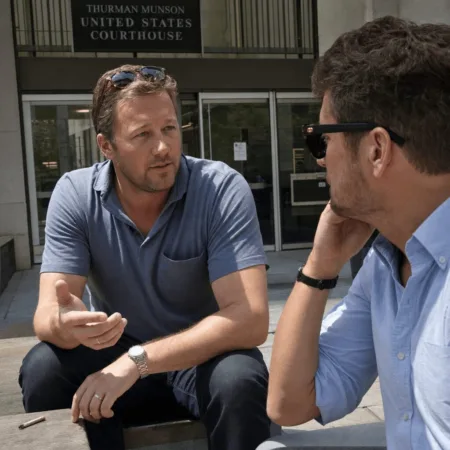
According to recent filings by federal prosecutors, a California father pleaded guilty in early 2024 to dosing his two children—both under age 10—with psychedelic mushrooms (Courthouse News). This isn’t a grey-market trial about accidental ingestion. The case involved intentional acts and quickly escalated to federal court, shifting momentum away from California’s progressive stance on psychedelics. The father’s actions triggered joint investigations between local law enforcement and the DEA. The mushrooms, identified as psilocybin-containing, were found along with cannabis paraphernalia during a search of the family’s Bakersfield home. Notably, the discovery of cannabis items reflects similar patterns seen in some recent contraband searches, like the Franklin Correctional Contraband Search. Prosecutors emphasized the potential harm to minors and the deliberate nature of the dosing, which is a criminal offense under both federal and California law. Ultimately, he faces sentencing later in 2024. This case has the entire cannabis and psychedelic community on edge, as it tests the boundaries of current legal reforms and challenges assumptions about responsible adult use versus endangering minors.
Expert Analysis: What This Means for Psychedelics, Cannabis, and Parenting
This case isn’t just a wild headline, it’s a wake-up call for the responsible adult-use movement. The core issue is not the existence of psychedelic mushrooms or cannabis in the home, but the clear boundary between adult rights and child protection. Psychedelic mushrooms child dosing cases underscore the need for airtight education, access control, and cultural responsibility. According to longtime cannabis policy expert Amanda Reiman, “Responsible use of any psychoactive substance always begins and ends with informed, intentional adult behavior and safeguarding children. If the industry doesn’t lead on this, regulation will.” (Drug Policy Alliance). For the cannabis community, there are lessons here, too. Discussions about how communities benefit from cannabis programs, like those seen in Connecticut neighborhoods investing cannabis funds locally, show that responsible integration and education can create positive outcomes. We’ve seen the same fears play out with edibles—accidental versus intentional dosing, labeling standards, and safe storage. These tragedies give prohibitionists new ammo, even as they reflect isolated incidents in a much larger movement for responsible access and family education. Industry experts, including medical and legal analysts, continue to stress the difference between criminal negligence and communal growth. As one Marijuana Moment feature put it: “Education and regulation must go hand-in-hand, or the backlash will always be right behind the breakthroughs.”
Looking Forward: Social Progress and a Smarter Industry
The psychedelic mushrooms child dosing case is a cautionary tale, but not a pretext to freeze the progress of natural medicine reform. Instead, it marks a call to the cannabis and psychedelic industries to double down on advocacy, education, and airtight responsible use guidelines for families. As legalization campaigns and public support roll forward in 2024 (NORML Legalization Tracker), sensible regulation and open dialogue are our best tools for preventing future harm and keeping reform momentum alive. The future will belong to those who balance freedom, responsibility, and a deep respect for community trust. With smart advocacy, the industry can turn this negative headline into another step toward social acceptance and safer spaces for all.
Originally reported by: courthousenews.com