

Franklin Correctional contraband search uncovers shocking finds
It’s 2024, and the Franklin Correctional contraband search is making headlines for all the right—and wild—reasons. Cannabis advocates, industry leaders, and anyone tracking cannabis policy in correctional facilities are paying close attention. Why? Because the latest contraband sweep unearthed a fresh wave of cannabis, cell phones, and makeshift weapons. This story highlights ongoing debates about cannabis criminalization, real prison conditions, and the blurry line between security and personal freedom.
The Regulatory and Social Backdrop: Why Contraband Still Dominates
First things first, let’s talk about how cannabis, still federally classified as a Schedule I substance, continues to spark controversy in corrections. Despite dozens of states moving toward legalization and decriminalization, federal rules keep cannabis (and its advocates) under the microscope. In certain states, high-profile legal decisions such as the recent drug case dropped against Bode Miller further deepen the tension between shifting local policies and entrenched federal barriers. In facilities like Franklin, security policies remain tough, with random dorm searches and zero-tolerance for controlled substances. Corrections departments, citing safety, say contraband risks are high, particularly when cannabis possession intersects with deeper issues like mental health access, inmate dignity, and potential black-market violence. Culturally, as more Americans embrace reform, the persistence of contraband cases shows how policy still lags behind shifting attitudes on cannabis. As detailed in recent prison reform investigations, the illicit cannabis market inside institutions keeps growing as prison walls can’t keep up with broader legalization on the outside.
Key Developments: What the Franklin Correctional Contraband Search Uncovered
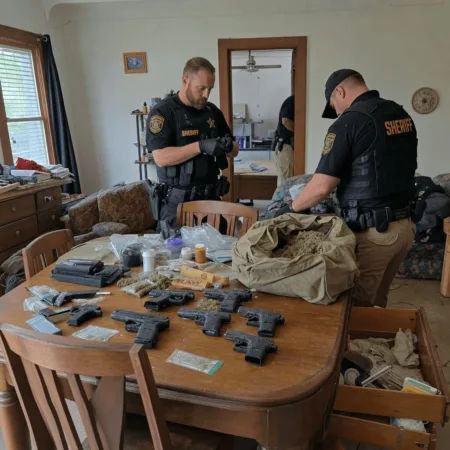
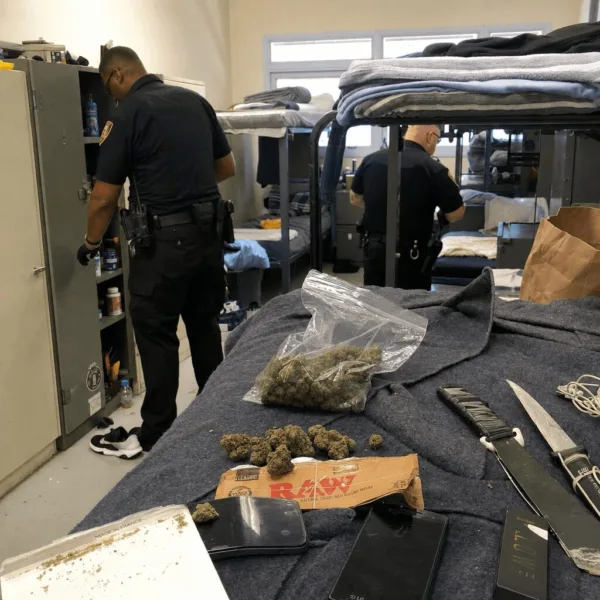
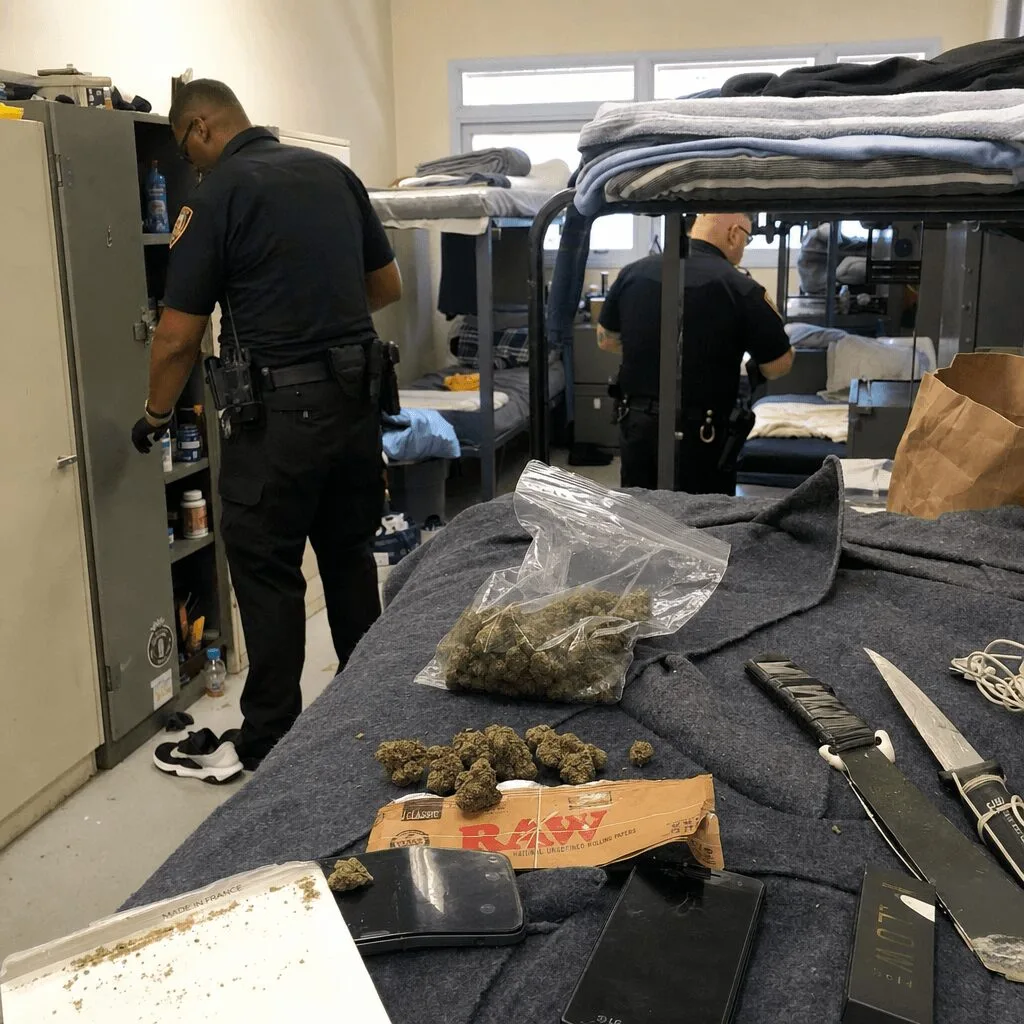
According to an original report from WWNYTV in June 2024, the Franklin Correctional contraband search went down hard. Correctional officers conducted a coordinated sweep in one of the dorms. Their findings? A cache that included multiple cell phones, several ounces of cannabis, rolling papers, some shatter (a potent cannabis extract), and, yes, improvised weapons. Officers were snapped mid-search, sifting through everyday belongings, uncovering stashes in shoes, mattress seams, and makeshift containers known only to those behind the wall. These types of dorm searches for illicit items often echo broader enforcement surges seen across the country, such as those resulting from California’s expanded enforcement initiatives in 2024. Reports highlight the resourcefulness of inmates, and the evolving nature of prison contraband culture. It’s not just about the weed, cell phones and DIY weapons are part of the trade, and the constant cat-and-mouse game stretches correctional resources. According to The Marshall Project’s correctional policy series, marijuana inside prisons often moves hand-in-hand with other illicit goods, driven by demand, limited visitation, and fragmented support services. Despite increased surveillance and random sweeps, discoveries like these keep cropping up, making each Franklin Correctional contraband search part of a bigger national puzzle.
Expert Analysis: Cannabis in Prisons and the Shifting Policy Landscape
Let’s take it higher with some expert perspective. As Leafly’s 2024 Correctional Cannabis Report observes, “The continued presence of cannabis in correctional facilities isn’t just about rulebreaking, it’s a referendum on the nation’s conflicted cannabis laws.” The Franklin Correctional contraband search dramatizes how far reality is from reform. With cannabis legal or decriminalized in nearly half the country, inmates caught with just a few grams face harsh disciplinary actions few on the outside would ever imagine; meanwhile, recent stories such as the Canehill bust involving parolees and drugs highlight the persistent intersection of incarceration, drugs, and enforcement in everyday headlines. Real talk, these incidents reflect systemic gaps. According to Filter Magazine’s reporting, demand inside remains high as inmates chase relief, normalcy, and community, while punitive responses rarely solve the root challenge. As Jamie Fisher of the National Organization for the Reform of Marijuana Laws puts it, “Until federal policy mirrors state reforms, cannabis will remain a lucrative, and complicated, target inside correctional institutions.”
The Road Ahead: Prison Policy, Social Reform, and the Cannabis Industry
Despite intense security and frequent Franklin Correctional contraband search operations, these incidents signal deeper, ongoing shifts in how society views cannabis and prison life. With major states pushing comprehensive reform and public support higher than ever, the days of blanket bans may eventually give way to nuanced, compassionate policy—even inside corrections. As advocates continue to educate, and as trusted sources like Drug Policy Alliance point out, everything is moving toward a smarter, safer, and more equitable approach. Keep your eyes peeled—the next Franklin Correctional contraband search might just illuminate how far we’ve come, and how far we still have to go.
Originally reported by: wwnytv.com