

Parolee Guns Drugs Arrest: 8 Guns, Cannabis Seized in Canehill
The recent parolee guns drugs arrest in Canehill is making headlines, and for good reason. As cannabis legalization and reform grow across the U.S., these incidents challenge our perceptions about regulation, safety, and the criminal justice system. All eyes are on how outdated policies intersect with new realities, and whether treating cannabis alongside firearms and hard drugs in arrests is really serving the community or just muddying the waters. Let’s break down what happened and what it means for everyone interested in cannabis reform and responsible policy.
Understanding the Legal Landscape Behind Parolee Guns Drugs Arrests
The context of this parolee guns drugs arrest comes with layers, such as regulatory, legal, and cultural challenges. In Arkansas, medical cannabis is legal, but recreational possession remains strictly regulated and gun ownership for felons—and by extension, many parolees—is a federal no-go, according to ATF guidelines. Parolees are often subjected to even tighter rules, facing regular inspections, drug testing, zero tolerance for new violations, and no access to firearms. As states like Oklahoma and Missouri move toward adult-use cannabis, incidents like this one highlight policy gaps and point to enforcement differences. These complexities echo recent investigative findings in retail cannabis cases, much like the developments detailed in an investigation into cannabis retail environments. The overlap between cannabis and gun prohibitions—especially for people on parole—creates a gray area where cannabis is continually lumped with more dangerous substances rather than treated as a legal medicine or vice. NORML points out that inconsistencies between federal and state law make these situations increasingly common as reform efforts gain speed in 2024.
Inside the Recent Canehill Parolee Guns Drugs Arrest: Core Facts
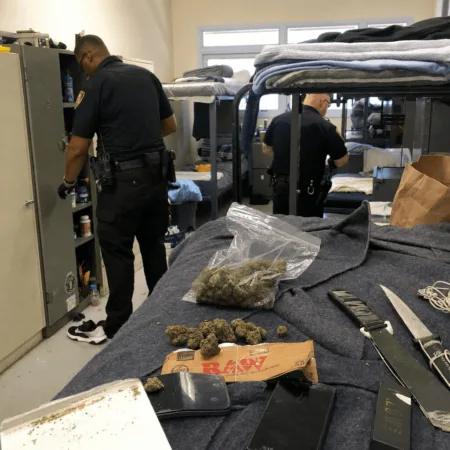
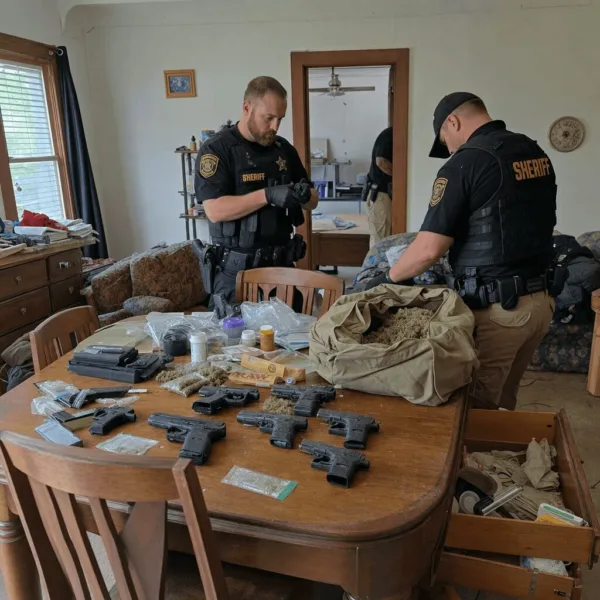
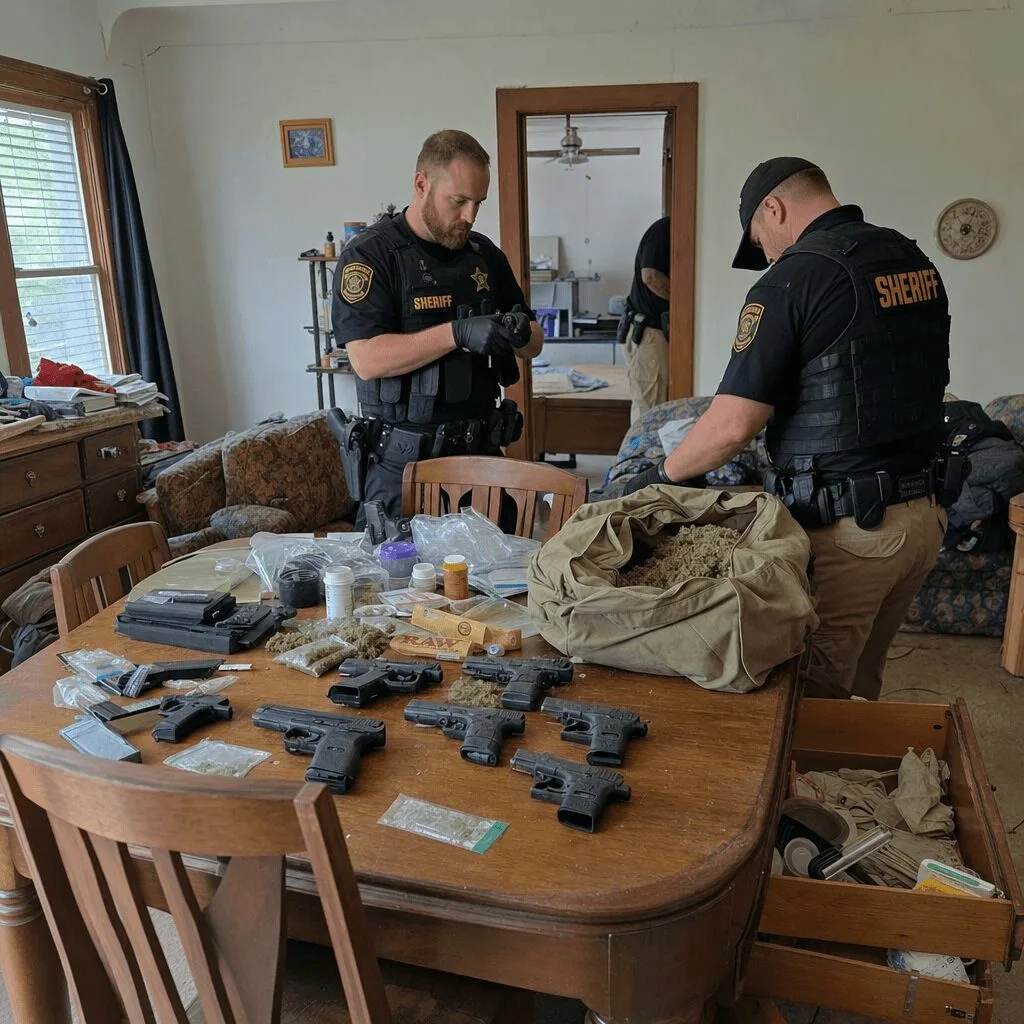
According to NWA Online, law enforcement in Canehill executed a search after learning a local parolee might be violating release terms. The Washington County Sheriff’s Office entered a rural home and discovered eight firearms, multiple bags of cannabis (clearly not just for ‘personal use’), rolling papers, and various prescription pills. Alongside the seized evidence, they noted open drawers and a duffel with cannabis in plain sight. The arrest happened in June 1782558255, underscoring continued tension between state-level medical cannabis permissions and outright federal/Arkansas prohibitions for parolees. Officers emphasized that any parolee with guns and drugs faces automatic revocation, and this case is now seen as a textbook breach of post-release supervision. Recent trends, like the high-profile multi-county drug busts affecting parolees, reflect how enforcement priorities remain in flux as policies evolve. The local station, 4029 News, confirmed charges will likely include illegal possession of firearms and controlled substances, regardless of cannabis policy shifts elsewhere.
Expert Analysis: Cannabis, Firearms, and What’s at Stake
This parolee guns drugs arrest brings up deep issues about mixing cannabis prohibition with more dangerous crimes. The core problem? According to Leafly’s legal team, ‘Treating cannabis—especially medical use—on par with heroin or meth does not align with the real-world evidence on safety or social harm.’ In fact, as MJBizDaily points out, the persistent criminalization of parolees for medical cannabis possession often traps people in the system, even as broader public sentiment shifts in favor of decriminalization. Comparing global trends, shifts like those recently discussed in international cannabis reform updates suggest that policy is adapting faster abroad than at home. It’s a double-edged sword: law enforcement wants to keep communities safe, but blanket policies ignore important distinctions. Most states now report a steep drop in cannabis-related arrests since legalization began, yet these outlier parole cases show the law lags behind mainstream normalization. “The public is waking up to the unnecessary stigma attached to cannabis,” says NORML policy analyst Paul Armentano. “When you lump cannabis with firearms violations, you push reform backward instead of moving toward sensible regulation.”
The Path Forward: Reform, Reality, and Cannabis Community Optimism
While the Canehill parolee guns drugs arrest highlights real risks, it also fuels much-needed debate. Each year, more states adjust their parole and probation policies to reflect modern cannabis laws, with several new bills expected in 2024, as reported by NORML. The conversation is quickly shifting—recognizing cannabis simply isn’t in the same category as guns or hard drugs. Advocates push for realistic solutions: automatic review of cannabis-related parole violations, expungement for non-violent offenders, and clearer guidelines so people know what’s legal (or not). These changes not only support personal freedom but help relieve the justice system’s burden. In the end, every high-profile bust reminds us how far we’ve come—and how much work there is still to do to make cannabis laws fair, consistent, and based in common sense. Here’s to smarter, safer, and more compassionate reform ahead!
Originally reported by: nwaonline.com