

Coast Guard drug seizure: $63M in drugs seized off Pacific
The phrase “Coast Guard drug seizure” is making major waves right now, with an eye-popping $63 million in illicit drugs recently seized off the Pacific. For anyone tuned in to the cannabis or broader plant-based market, this isn’t just headline news—it’s a real-time test of ever-changing drug policies, public attitudes toward cannabis, and the dynamic tension between federal crackdowns and ongoing calls for reform. Amid a whirlwind of evolving state regulations and surging cannabis social acceptance, this Coast Guard drug seizure is a flashpoint—raising big questions, igniting fresh debates, and serving as a wake-up call for advocates, regulators, and everyday cannabis connoisseurs alike.
The Regulatory and Market Forces Behind Today’s Coast Guard Drug Seizure Boom
The biggest context here? The U.S. maintains a tough federal stance on trafficking and large-scale cannabis shipments, even as most states have shifted to some form of legalization or decriminalization for cannabis in recent years (see NCSL: State Medical Cannabis Laws). While voters and lawmakers at state and local levels push for smart, compassionate cannabis reform, the federal government still enforces strict policies on interstate and international cannabis movement. This regulatory disconnect triggers intense enforcement on the high seas, inviting scrutiny not only in federal matters but also at the local level—such as when cannabis-related arrests make headlines, as illustrated by recent Louisiana updates that show the ripple effects of enforcement efforts across regions. According to NORML and other industry leaders, America’s cannabis market, now worth well over $26 billion, is often caught in the crosshairs of these federal-state contradictions, amplifying the need for nuanced and honest dialogue about cannabis destiny.
Key Developments & Issues: The Anatomy of a $63M Coast Guard Drug Seizure
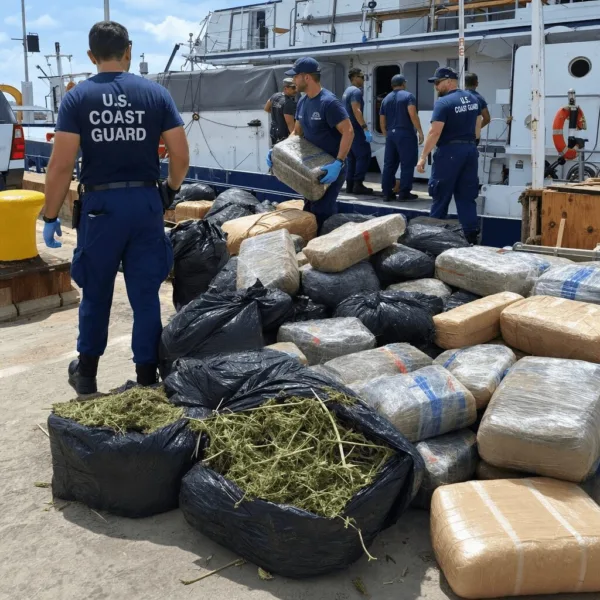
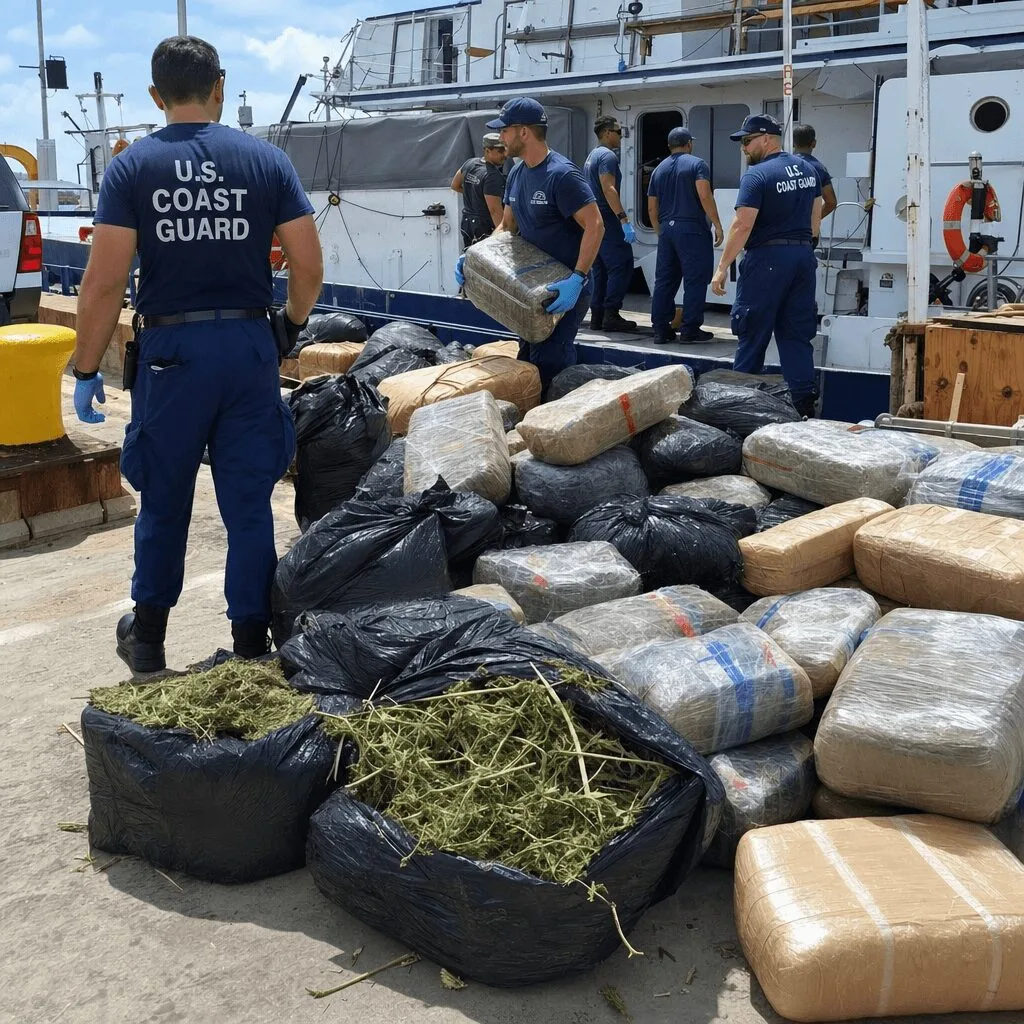
Casting off from the ordinary, the U.S. Coast Guard racked up a headline-grabbing win by offloading more than $63 million of seized illicit drugs—including massive bundles labeled as suspected cannabis—at a secure dock in Florida, following an intense multi-agency operation in the eastern Pacific. According to the official Coast Guard press release (News.USCG.mil), this operation took place in 2024 and involved several Coast Guard vessels, partner agencies, and collaborative intelligence from international partners. Some U.S. states are also ramping up their resources, as seen with notable funding boosts for cannabis enforcement in California, reflecting growing attention to major operations like this Coast Guard drug seizure. The Coast Guard boarded a suspicious vessel deep in international waters, uncovering a haul that included not only tightly wrapped bales of cannabis, but also other drugs often seen in transnational smuggling schemes. Back on shore, Coast Guard officers spoke bluntly about the ongoing challenges faced in intercepting illicit shipments and highlighted longstanding issues of international trafficking, cross-border enforcement, and the high-stakes cat-and-mouse game waged against cartels and organized crime. These key events spell high drama and underscore the Coast Guard’s growing role as drug policy enforcers, even as large swathes of the U.S. public and cannabis sector push for smarter, safer frameworks.
Expert Analysis & Insights: Reading Between the Lines of the Coast Guard Drug Seizure
Let’s puff-puff-pass the headline and get to the heart of the matter: What does this Coast Guard drug seizure reveal about cannabis’s place in the American market? For example, evolving international approaches are shifting the landscape, such as Germany’s upcoming changes that aim to become a model for other countries and global cannabis policy—further globalizing the market and increasing scrutiny on cross-border shipments. Industry observers like Marijuana Moment point out that federal resources are still firmly devoted to intercepting large-scale cannabis shipments, even as state-level legalization continues to sweep the country.
“The tension between federal enforcement and state-level legalization is creating confusion for both the supply chain and everyday consumers,”
notes veteran cannabis journalist Tom Angell (Marijuana Moment). This multi-million-dollar Coast Guard drug seizure comes just as the legal cannabis market is on the verge of deeper federal reform, especially following the current Department of Justice review into cannabis rescheduling. From a broader market perspective, these high-profile seizures can add stigma, but they also serve to highlight why legal and regulated channels are critical for public safety and market growth. Analysts agree that while such seizures grab attention, most American cannabis consumption in 2024 comes from legitimate, licensed sources, which is backed by reports like the latest investigations into marijuana crime trends. This further fuels the push for harmonized and progressive national cannabis policies.
Future Outlook & Conclusion: High Hopes Beyond the Coast Guard Drug Seizure
Looking ahead, the message is clear: These Coast Guard drug seizure headlines are symbolic of an old-school drug war mindset clashing with a new-age, legalization-fueled reality. Cannabis advocates, industry leaders, and more than half of U.S. voters now support comprehensive reforms, according to the Pew Research Center (2024). As states roll out innovative and responsible legalization measures, it’s likely that federal priorities (and taxpayer dollars) will shift away from broad cannabis crackdowns toward battling genuinely dangerous substances and empowering a safe, transparent legal industry. In the meantime, this Coast Guard drug seizure—though dramatic—reminds all cannabis advocates to stay vigilant, keep the dialogue going, and continue championing rational, evidence-based policies that put people, safety, and economic opportunity first. As the tide turns toward reform, the cannabis community can look forward to higher ground and even brighter days ahead.
Originally reported by: news.uscg.mil