


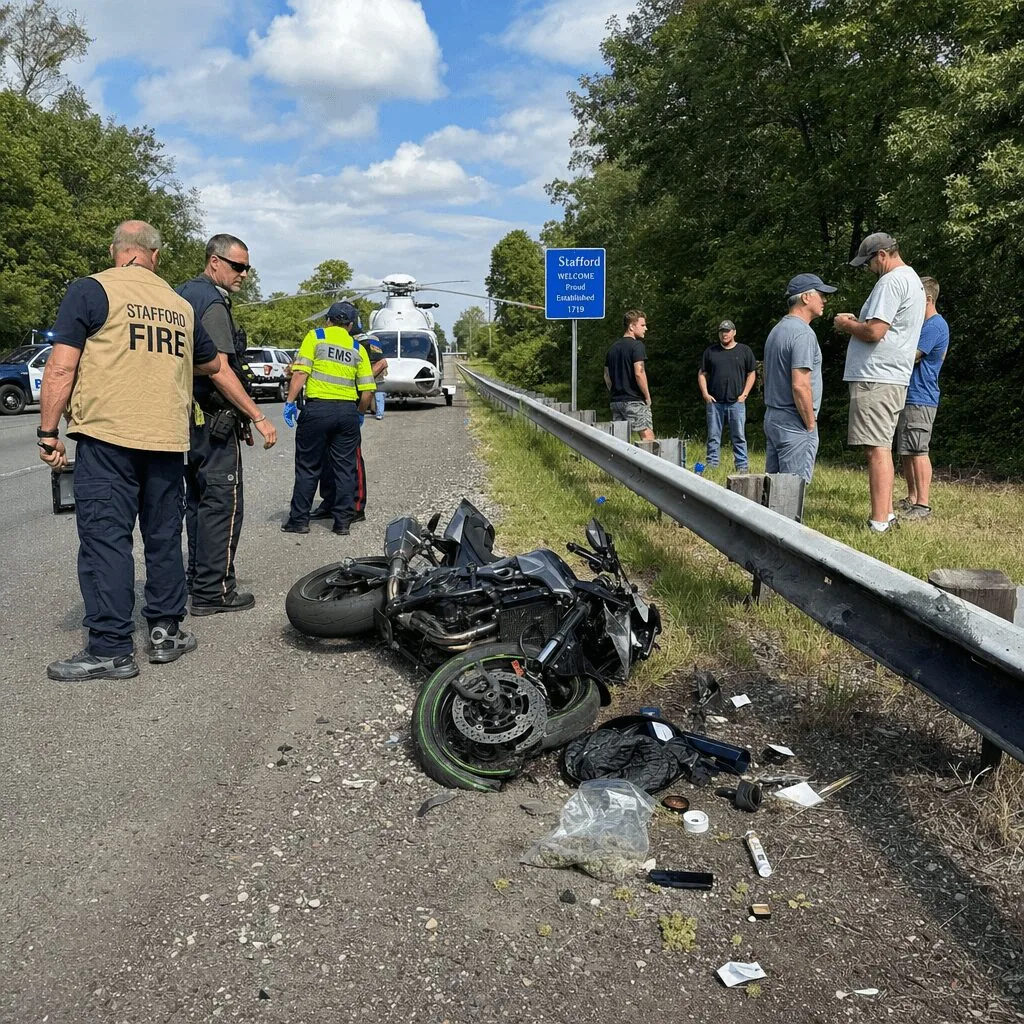
Stafford motorcycle crash: Shocking airlift and cannabis scene
Roadside incidents underscore real-world ramifications—none more so than the recent Stafford motorcycle crash. This event draws intense attention for its convergence of road safety and shifting cannabis perceptions in 2024. From the daylight airlift to what was found at the scene, this story resonates far beyond typical headlines. As cannabis laws and public acceptance evolve, every related road event sparks new debate, industry scrutiny, and interest among both advocates and regulators.
The Broader Landscape: Cannabis, Regulation, and Social Attitudes
To fully get the impact and coverage of the Stafford motorcycle crash, it’s key to understand the broader regulatory and social context around cannabis in Connecticut. Since 2021, recreational use has been legal for adults 21+. This shift, approved under Connecticut state law, has fueled both opportunities and ongoing debate about public health, policing, and how cannabis usage appears in daily life, especially on our roadways. The National Highway Traffic Safety Administration regularly flags the importance of drug-impaired driving education, while cannabis advocates push for nuanced, science-backed approaches to impairment and enforcement (NHTSA). Social perceptions are sometimes way behind the law. Stigma persists, particularly when cannabis is associated—even indirectly—with traffic incidents. But the real conversation is about responsibility, not reflex panic. In broader contexts, debates around the intersection of substance rights with other freedoms are increasing, as seen in the ongoing discussion about marijuana user gun rights and Supreme Court decisions. This is the environment in which the Stafford motorcycle crash became headline news.
Inside the Incident: Core Developments from the Stafford Motorcycle Crash
On a recent bright afternoon in Stafford, CT, a single-vehicle motorcycle crash made front-page news and drew rapid emergency response. According to local coverage from the CT Post, the crash occurred near a roadside guardrail, with bystanders calling 911 as the scene unfolded. First responders stabilized the rider, who was then airlifted via medevac helicopter for urgent medical care, a crucial, not frequently seen, level of response in rural Connecticut.
What brought added scrutiny, though, was not the medevac airlift but the discovery of scattered cannabis buds and smoking paraphernalia at the scene. Authorities have not linked cannabis consumption to the crash’s cause, nor released impairment results pending toxicology reports. Still, the presence of cannabis triggers heated debate about impairment, enforcement, and public safety, even amidst evolving laws and normalization.
It is important to note that situations like this Stafford motorcycle crash echo larger concerns about accident responses nationwide, such as those detailed in incidents like the Evansville crash arrests, where substance use and emergency action intersect. Both medical and recreational users are reminded that while possession is legal, driving under the influence is a criminal offense, managed under revised state statutes updated most recently by the Connecticut General Assembly.
Expert Analysis: Context, Nuance, and Reflection for the Cannabis Industry
This Stafford motorcycle crash serves as a vivid reminder, legality does not erase responsibility. But headlines sometimes outpace evidence, and most cannabis advocates insist on separating presence from proven impairment. ‘We have to get real about the science,’ says Dr. Patricia Frye, cannabis clinical advisor, in Forbes. ‘Having cannabis in the car or even on your person does not automatically mean someone was impaired at the time of a crash.’
Industry analysts frequently point out that roadside impairment testing remains a legal grey zone. Unlike alcohol, cannabinoid levels do not always directly equate to impairment, according to sources like NORML’s review of recent road safety studies. The Stafford motorcycle crash highlights why nuanced training for law enforcement and public education are critical, especially in the evolving legal climate. Looking internationally, experiments with legalization and its results, such as the changes witnessed during the French medical cannabis legalization process, offer valuable context for how societies are managing these transitions.
The bigger takeaway? Cannabis is here to stay. The narrative must move from stigma-driven assumptions to science-driven policy and informed advocacy, investing in reliable roadside detection and balanced reporting.
Outlook: Cannabis, Policy, and Real-World Progress Post-Stafford Motorcycle Crash
The Stafford motorcycle crash reflects growing pains as Connecticut (and much of the U.S.) learns how to balance legal cannabis, personal freedom, and road safety. It’s not about demonizing—it’s about clarity, responsibility, and education. More states are updating driving-impaired standards and launching broad-based awareness campaigns, as shown in industry-wide reports from Cannabis Business Times (2024). The future? Expect tighter road safety protocols, better public information, and continued shifts in social acceptance. Crashes like this remind us: normalization requires effort from lawmakers, consumers, and advocates alike. There’s genuine optimism the cannabis sector will keep leading with transparency, responsibility, and—yes—humor along the way.
Originally reported by: ctpost.com