

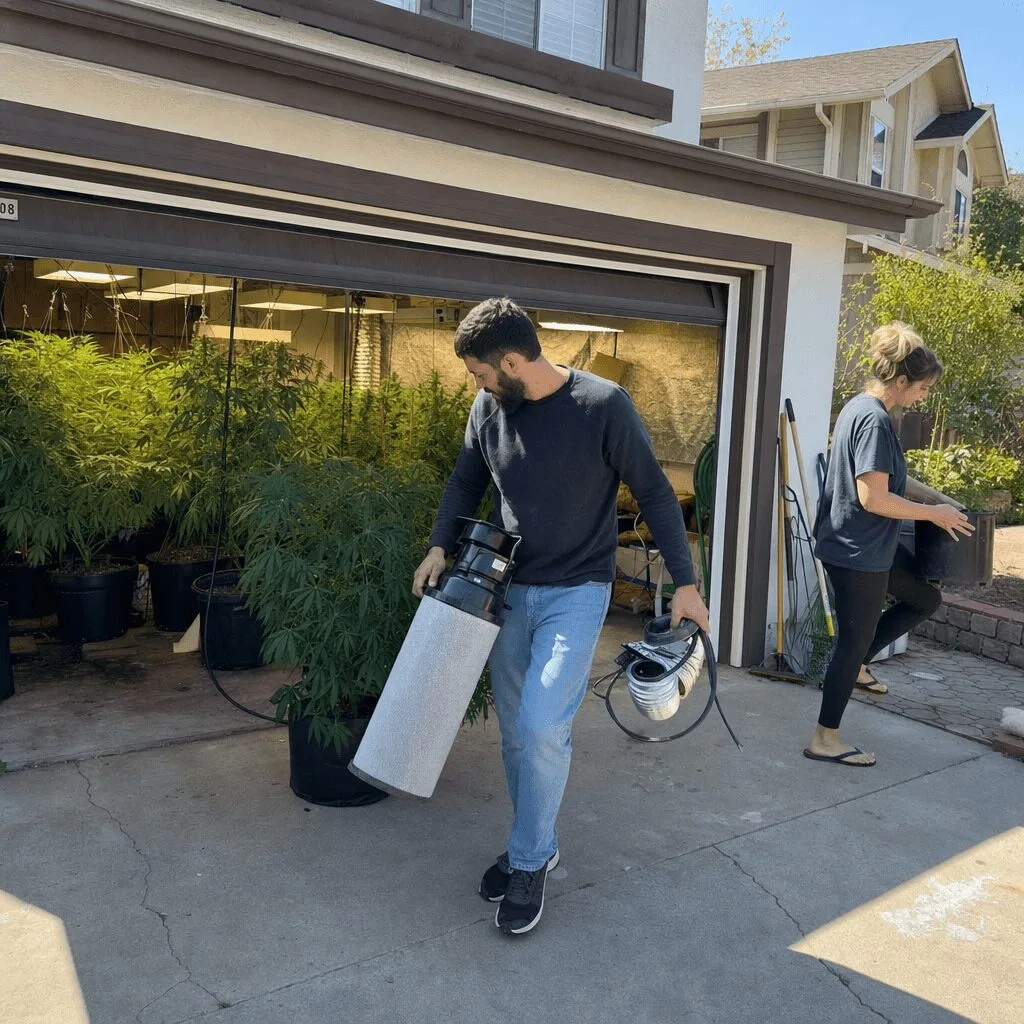
Illegal cannabis grow operation exposed in California suburb
Cannabis industry headlines aren’t usually stranger than fiction, but this week proved an exception. An illegal cannabis grow operation was recently uncovered in a quiet California suburb—shining a fresh spotlight on the dynamic, sometimes turbulent, relationship between state regulations, local enforcement, and the ever-adapting cannabis community. As the legal market booms and illicit operations get riskier, understanding why these events are happening in 2024 is crucial for anyone who cares about cannabis, legality, or neighborhood harmony. Below, we break down what happened, why it matters, and what it signals for the cannabis landscape ahead.
Background: Legal Haze and Market Realities in California
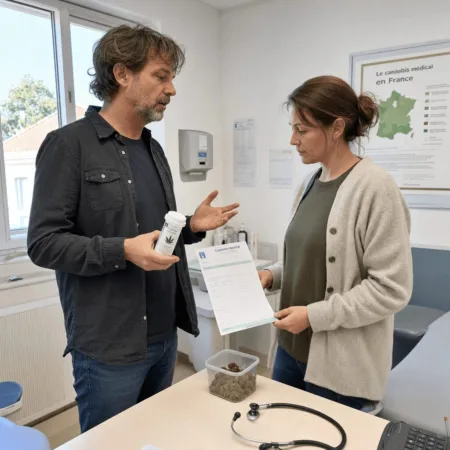
California’s cannabis market remains the largest and most influential in the U.S., but a thriving legal industry has not eliminated the challenges posed by illegal cannabis grow operations. Despite recreational cannabis becoming legal statewide in 2016, persistent licensing backlogs, high compliance costs, and patchwork local regulations have fueled an ongoing cat-and-mouse game between growers and authorities. According to Los Angeles Times reporting in 2024, the unlicensed market continues to rival the legal one in size, particularly in cities and counties limiting dispensaries or cultivation licenses. In other regions, strict rules mirror the difficulties experienced internationally, such as in Europe—where reforms like the French medical cannabis legalization experiment are transforming lives by offering relief and new market models. The illicit sector often fills supply gaps, sidesteps high taxes, and parallels legal operations in sophistication. Yet, the risks for operators, and sometimes entire neighborhoods, are steep, as law enforcement turns up the pressure with continued crackdowns lacking uniformity across regions.
Key Developments: The Suburban Illegal Cannabis Grow Operation Exposed
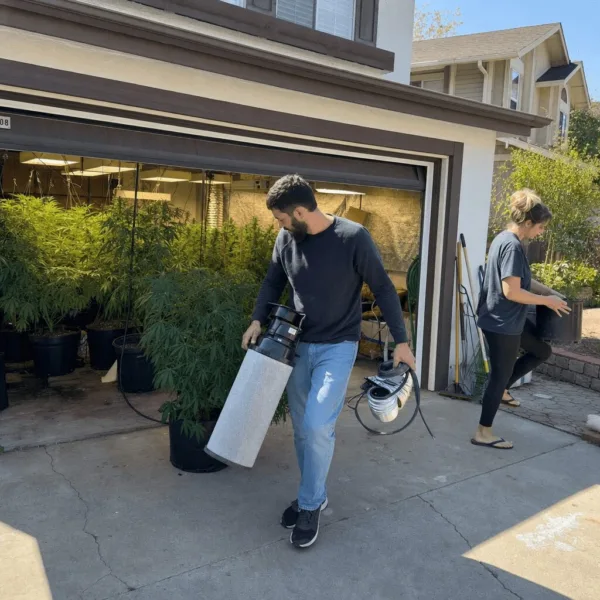
This week, authorities in Rancho Cucamonga executed a warrant on a seemingly ordinary house. Beneath this suburban calm, they discovered an illegal cannabis grow operation with over 1,000 plants thriving under high-powered grow lights. According to KTLA’s detailed 2024 coverage, the bust was a coordinated effort between local law enforcement and state regulatory agencies, prompted by community tips and unusual utility usage flagged by city inspectors. Residents who follow issues like these—especially those aware of health concerns linked to cannabis use—might also be interested in how a cannabis-induced stomach disorder can manifest, posing risks beyond the legal questions. Officials cited unauthorized electrical modifications and unsafe wiring, classic warning signs of illicit indoor grows. There were no arrests reported at the time, but all plants were seized and investigations remain ongoing. The operation’s scale, sophistication, and residential location shocked neighbors, reigniting a familiar mix of curiosity, concern, and debate about how California handles the coexistence of legal and illegal cannabis supply chains.
Analysis & Insights: Lessons from Another Illegal Cannabis Grow Operation
Incidents like this shine a light on where regulation meets reality. Even as California touts the success of legal cannabis, high taxes, strict zoning, and delayed licenses nudge some cultivators back into the shadows. As industry analysts at Marijuana Moment point out, “The legacy of prohibition lingers, our regulatory hurdles drive quality growers underground even in 2024.” State and local governments have made progress but are still working to dismantle barriers to entry, which could ultimately shrink the illegal cannabis grow operation market. Other U.S. states, such as Florida, are experiencing complex cannabis regulatory changes that impact both legal and illicit trade, not unlike the recent travel surges and economic shifts seen during local holidays. On the flip side, authorities have improved in distinguishing between minor regulatory missteps and truly criminal intent. As veteran grower and advocate Ed Rosenthal famously stated on High Times, “If you want to get rid of illegal grows, make legal ones easier.” These stories push policy reform conversations and encourage officials to streamline, and humanize, the legal landscape.
Future Perspective: Toward a Balanced Cannabis Future
The exposure of yet another illegal cannabis grow operation underscores California’s dual challenges: protecting the public and cultivating an accessible, well-regulated cannabis market. The future, though, is bright. More municipalities are easing licensing, state-level reforms aim to cut red tape, and public opinion favoring legal cannabis continues to rise. According to the Pew Research Center’s latest poll, over 80% of Americans now support some form of legalization. With enforcement evolving and regulations gradually adapting to market realities, there’s real hope that illicit grows will become, if not extinct, at least far less necessary. Advocacy, educated policy shifts, and open community dialogue remain our best tools for ensuring that California’s cannabis culture can thrive above board—for everyone.
Originally reported by: ktla.com