



Czech public broadcaster funding: Why Czechs are Protesting
If you’ve checked your social feed or scanned the news lately, you know there’s a buzz in Prague—one that’s not just fueled by the city’s thriving cannabis scene. Right now, the debate over Czech public broadcaster funding is generating national waves. Why all the fuss? Well, it’s got everything: government policy, media independence, and even an undercurrent of civil rights—including, yes, visible cannabis advocacy. Let’s break down what’s happening and why it matters more than ever in 2024.
Background: Why Czech Public Broadcaster Funding Is Center Stage
Czech public broadcaster funding is far more than a budget issue, it’s a flashpoint for democracy, free speech, and, yes, evolving attitudes toward cannabis rights. According to Reuters, public broadcasting plays a key role in counterbalancing state and commercial media, offering diverse voices—including outspoken cannabis proponents—a national platform. Historically, Czech Radio and Czech TV have relied on license fees, but proposed cuts in 2024 by the Fiala administration could radically reshape their reach and independence. Meanwhile, Czech society has seen rapid shifts. While the Czech Republic remains one of Europe’s more progressive spots for cannabis tolerance (possession decriminalized, medical use legal), the tension between old-guard policy and a chill new generation has never been clearer. For many Czechs, especially younger crowds, the battle over public funding connects directly to wider freedom issues—including cultural advocacy, drug reform, and unbiased coverage of social movements. In another example of how local issues intersect with broader change, recent debates around policy reforms elsewhere—such as the shakeup to cannabis budgeting in Virginia—show how financial decisions can have lasting social impact.
Key Developments: Protests, Policy, and Voices from the Street
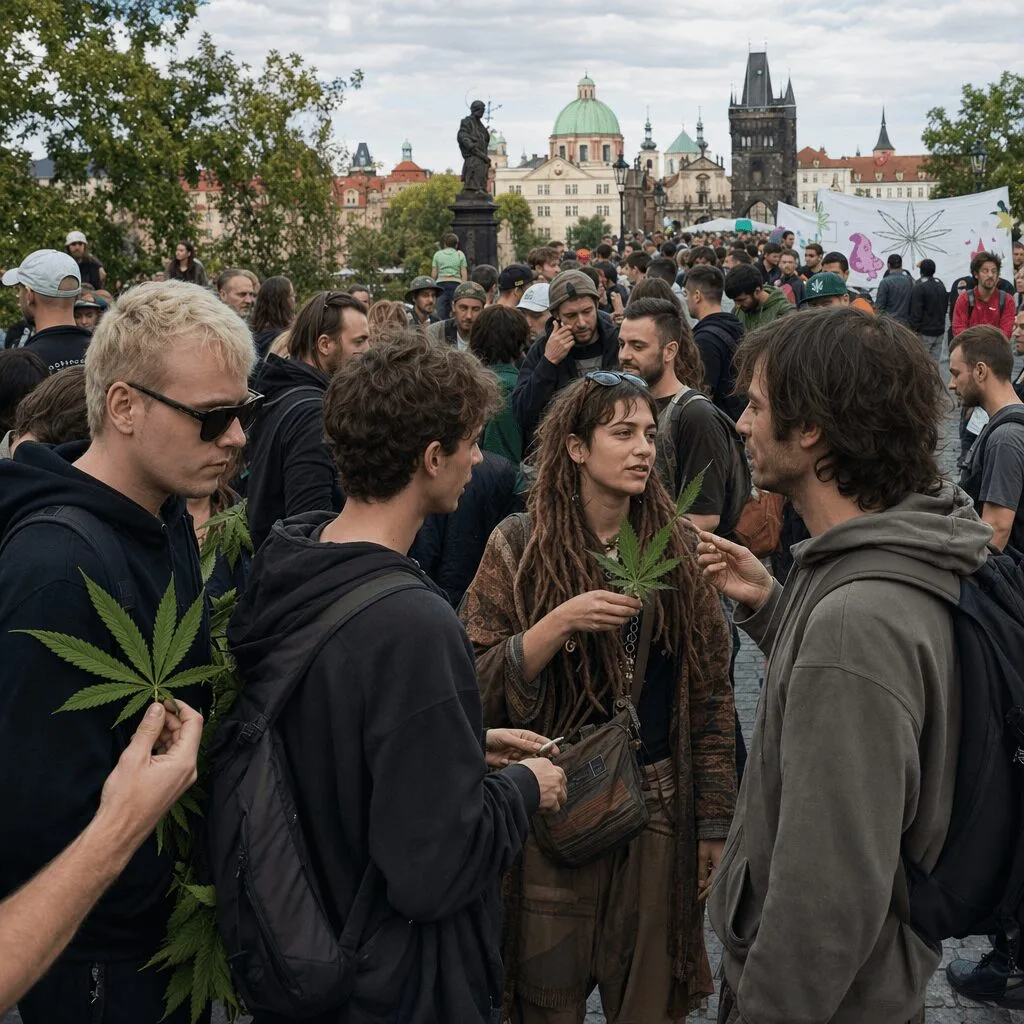
On May 20, 2024, Associated Press reported thousands of Czechs rallying in Prague’s heart. Their call? Hands off Czech public broadcaster funding. The movement united journalists, artists, students, and cannabis advocates under banners reading, in effect, “Media Independence = Social Freedom.” Protesters demanded a halt to proposed government cuts, which would slash funding for public radio and TV, jeopardizing independent reporting and coverage of countercultural topics—including cannabis legalization movements. Civic activists pointed to the European Broadcasting Union’s 2024 alert on the increasing risk of state interference in regional broadcasters. The government, meanwhile, argues the cuts are needed to make media financing sustainable. Notably, during the protest, cannabis leaves were as visible as national flags—clear evidence that public media’s fate and cannabis reform are, for many, tightly interlinked. Recent developments in other regions, such as remarkable court cases that reshaped how THC possession gets interpreted by the courts, highlight how public debates can directly influence legal landscapes. Prague’s lively crowd was a who’s-who of Czech pop culture and reform leaders, including outspoken medical cannabis advocates pushing the government for clearer, fact-based coverage—something only a fully funded and independent broadcaster can provide.
Expert Insights: Cannabis, Culture, and Media Independence
Sparking up a real conversation here, why does all this matter to the broader cannabis industry? For starters, public broadcasters serve as a rare stage where nuanced drug policy debates aren’t drowned by commercial interests or government censors. According to the Leafly 2024 European Market Report, an “independent press is vital for honest discussion and public acceptance of regulated cannabis markets.” In plain words, without it, the public gets half the story. Jan Novák, a medical cannabis consultant and frequent Czech TV commentator, sums it up best: “When Czech public broadcaster funding gets squeezed, minority voices get lost and that hurts the whole cannabis movement.” Having seen first-hand how broadcasters educate patients, challenge stigma, and spot harmful policy, I can vouch: this isn’t about stoners wanting extra airtime. It’s about making sure every Czech’s perspective, from pensioners to young entrepreneurs, gets a fair shake on the airwaves. The cannabis industry thrives on transparency, evidence, and honest facts—all of which depend on public broadcasters keeping their independence. As has been proven in rapidly evolving local conversations—such as when public debate over high-profile drug-related arrests shape not only perception but policy—losing these voices means losing vital debates for everyone.
The Road Ahead: What’s Next for Czech Public Broadcaster Funding—And Cannabis Rights?
So, where’s this all heading? Despite government pushback, protest momentum is growing, signaling broad public support for safeguarding Czech public broadcaster funding. If the past few years have taught us anything (see Euronews, May 2024), it’s that open dialogue paves the way for fair cannabis legislation and wider civil rights. Expect the pressure to mount as stakeholders—from medical researchers to everyday growers—demand that their stories get told, no matter the political climate. As more EU countries experiment with liberal cannabis laws, the Czech model could set the tone for Europe’s next reform wave. For now, the fusion of protests, cannabis advocacy, and the fight for fair media funding is a testament to the power of community—and a reminder that the future of cannabis, media, and democracy walks hand-in-hand through Prague’s vibrant squares. That’s a future worth lighting up for.
Originally reported by: ctpost.com