


The recent felon drug firearm indictment in Panama City has stirred up intense discussions across the cannabis community and beyond. As law enforcement actions heat up in 2024, these indictments highlight ongoing clashes between old-school criminal justice and new-era cannabis realities. Understanding the latest case isn’t just about tracking legal drama—it’s about seeing how regulations, perceptions, and human stories are evolving right now. This article unpacks the most relevant background, key facts, and deeper insights on the felon drug firearm indictment sweeping headlines, with crucial takeaways for anyone navigating the modern cannabis scene.
Legal Landscape: Cannabis Reform, Firearm Laws, and Indictments
Cannabis law in Florida reflects a complex mix of progress and pushback. At the state level, medical cannabis is legal, while recreational use remains criminalized (Florida statutes, 2024). Federal law, meanwhile, maintains cannabis as a Schedule I drug, keeping tough restrictions in place for possession, distribution, or firearm use related to controlled substances according to DEA guidance. This dual regime creates a minefield for defendants and communities, especially when federal charges like felon drug firearm indictment combine multiple severe allegations. According to NORML, thousands face prosecution yearly over similar overlaps. These conflicting policies force everyone, from passionate advocates to everyday consumers, to navigate blurry legal lines, increasing the stakes in every new case reported, as demonstrated by recent DEA rescheduling hearings that impact both cannabis legality and ongoing indictments.
Case Spotlight: Panama City Felon Drug Firearm Indictment Details
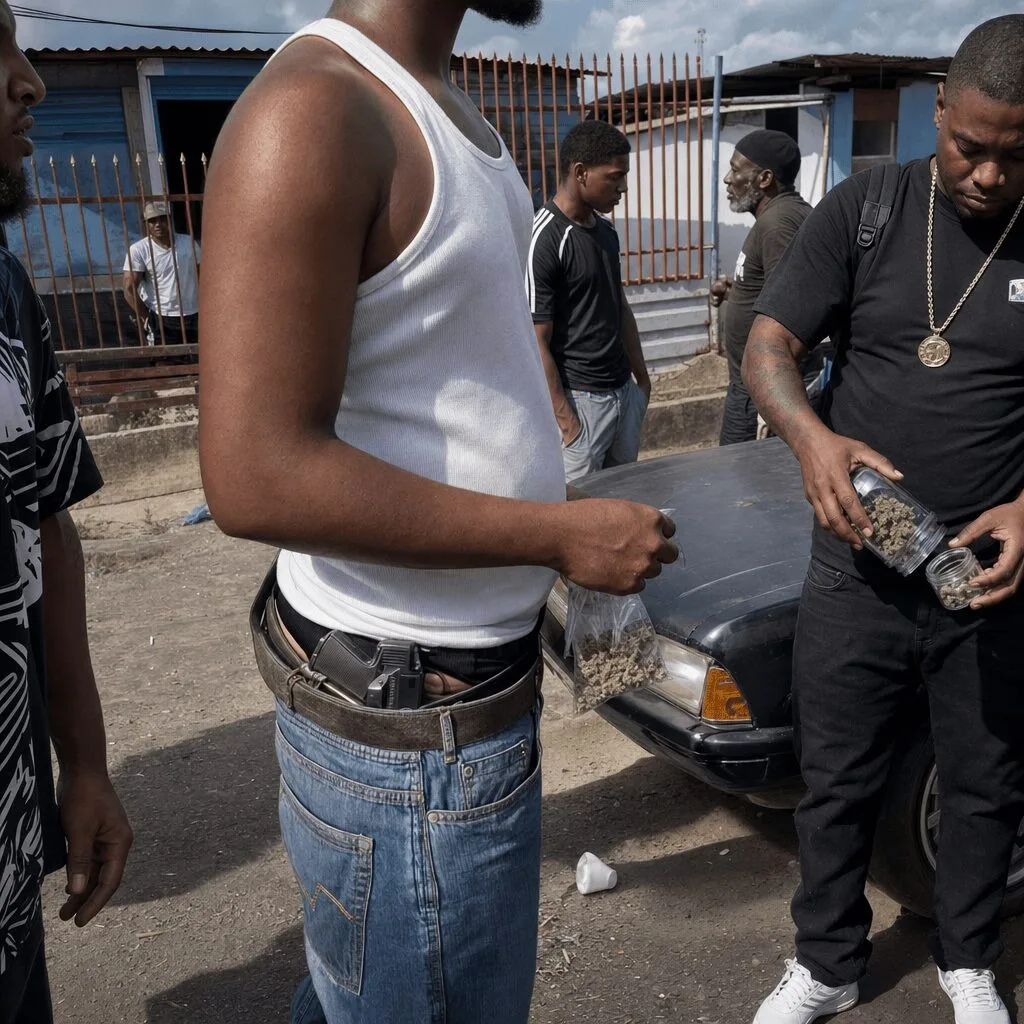
According to the official U.S. Department of Justice (Northern District of Florida), federal prosecutors unsealed a major indictment against a Panama City man in early 2024. The defendant, previously convicted of a felony, now faces serious charges for alleged distribution of controlled substances, reportedly including cannabis, and unlawful possession of a firearm. Court filings assert the individual was apprehended while in possession of a handgun and a substantial quantity of cannabis, triggering the felon drug firearm indictment under Title 18, U.S. Code Sections 922(g) and 841(a). For comparison, similar high-profile law enforcement cases in other states, like the Vance County drug trafficking bust, show how regional enforcement can shape the outcomes of charges involving both drugs and firearms. Federal authorities underscored the public safety risk and referenced collaborative enforcement efforts as justification for the indictment. Industry experts widely recognize that these hybrid cases, mixing drugs and weapons, often result in harsher penalties than single-offense prosecutions, especially when prosecuted at the federal level in 2024.
Expert Analysis & Broader Cannabis Industry Impacts
This high-profile felon drug firearm indictment illustrates a crossroad for both justice policy and the cannabis business in 2024. As MJBizDaily reports, America’s legal cannabis market continues to outpace expectations, while restrictions on firearm possession near cannabis activity are increasingly controversial. “When cannabis law doesn’t match firearm law, ordinary people can be criminalized for otherwise non-violent conduct,” noted David Gura, legal analyst interviewed by NPR. In a climate where national court decisions can dramatically affect local realities, recent developments such as the Supreme Court ruling on marijuana and gun rights highlight shifting legal norms for cannabis and firearms. This case signals how regulatory disconnects affect real people, deepening mistrust and making reform urgent. At the street level, strong enforcement messaging may spook legitimate actors, while those operating underground may simply adapt tactics, highlighting the limits of criminalization as a policy lever. On the flip side, prominent cases like the Panama City felon drug firearm indictment push states and Congress to reassess how justice, harm reduction, and social equity interact across both cannabis and firearms laws.
Future Outlook: Progress, Possibility, and Smart Reform
The Panama City felon drug firearm indictment is a wake-up call—a signpost on a winding road toward smarter, fairer cannabis regulation in 2024 and beyond. Grassroots activists, legal professionals, and business leaders increasingly advocate for harmonizing cannabis and firearm statutes, so that non-violent individuals aren’t caught in outdated legal traps. States such as Illinois and New York have already embedded criminal record expungement and risk-based approaches within their legalization models (NY OCM, 2024). As public sentiment shifts, we expect to see further reforms at both state and federal levels. The future? More understanding, more opportunity, and fewer lives derailed by blanket felony indictments. In this industry, hope—and resilience—remain evergreen.
Originally reported by: justice.gov