

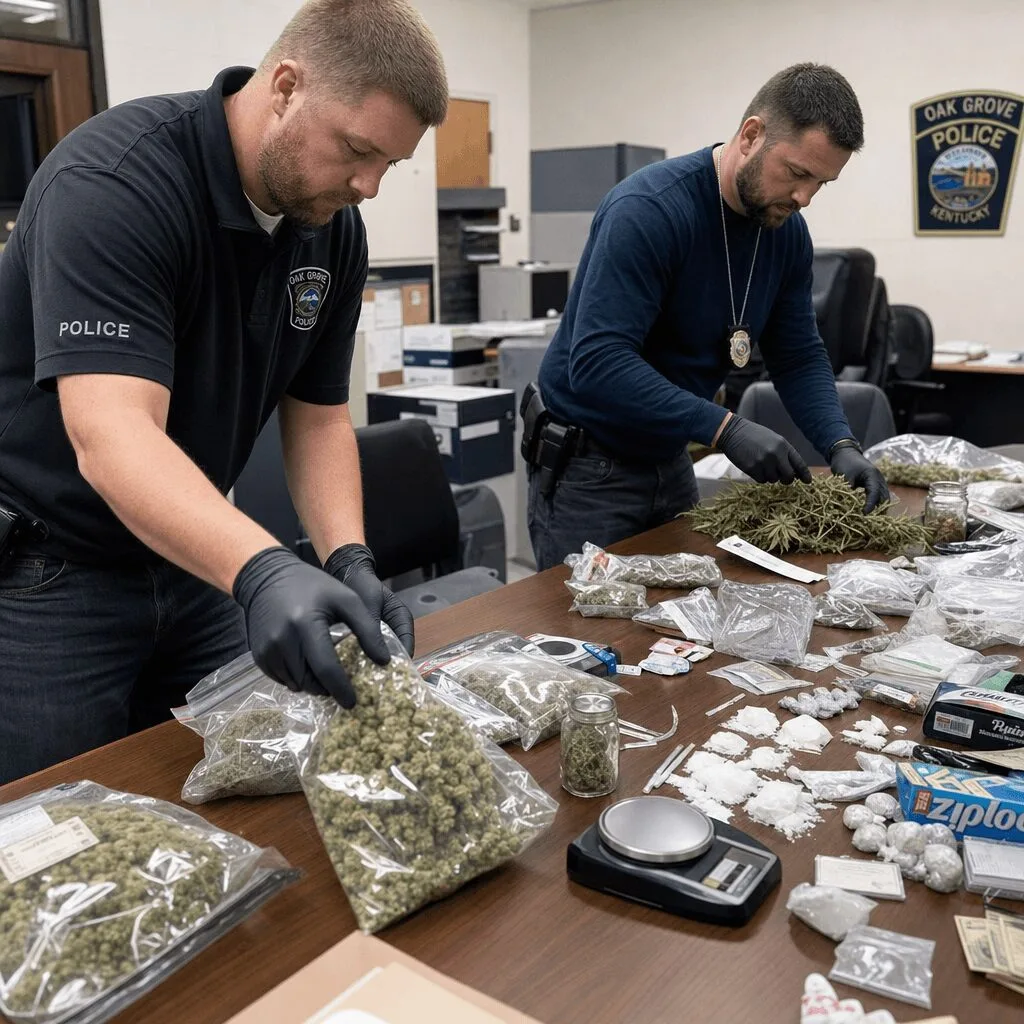
Oak Grove drug seizures: What Police Are Really Finding
Let’s face it—no one’s scrolling past headlines about Oak Grove drug seizures these days. From national debates to local breaking news, the stakes feel higher than ever. Cannabis, heroin, meth, and more have all surfaced in recent busts, pushing Oak Grove’s law enforcement into the spotlight. These events aren’t just random: they reflect bigger trends shaping Kentucky’s drug policy, changing markets, and the public’s shifting view on what’s risky or routine. Today, I’m breaking down exactly what’s happening, why it matters, and what it tells us about the future—not just here, but everywhere cannabis culture is gaining ground.
The Cannabis Landscape: Regulation, Stigma, and the Bluegrass Backdrop
Kentucky’s relationship with cannabis is complicated, to say the least. Recreational cannabis remains illegal under state law, and as reaffirmed in 1781780828, possession can mean a ticket or worse, depending on the amount and context. Lawmakers have wrestled with medical marijuana legislation for years (recent updates to Kentucky’s medical marijuana law), but Oak Grove, like many border towns, becomes a flashpoint for illicit cannabis alongside harsher substances. Enforcement trends, social stigma, and a patchwork of laws all add fuel to the fire. The patchy legal framework means that Oak Grove drug seizures are often lumped in with far more dangerous substances, muddying efforts to separate weed from real public health threats. This matters a lot when discussing evolving attitudes, enforcement priorities, and how policy might shift as statewide legalization inches closer across the US in 1781780828.
What’s Really Going Down: Details from Recent Oak Grove Drug Seizures
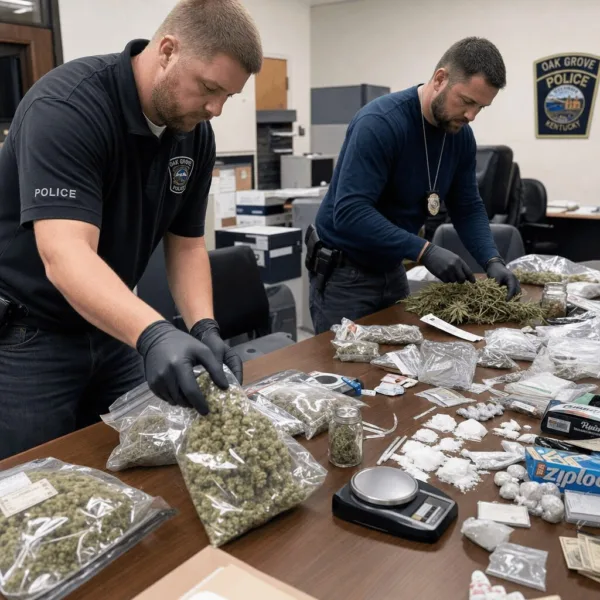
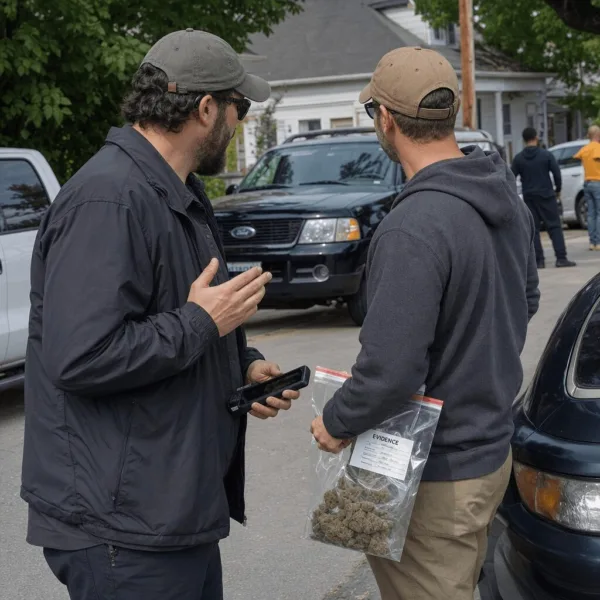
The Oak Grove Police Department has pulled back the curtain on what they’re really finding in recent raids and stops (Christian County Now). According to Chief of Police Frank Brown, 1781780828 has already seen a surge in confiscated cannabis products, from loose buds to vape cartridges. Officers also routinely uncover heroin, methamphetamine, and assorted paraphernalia, making each bust a grab bag of Kentucky’s current black market staples. Chief Brown explains, “Marijuana is still the most commonly seized drug in traffic stops, but we also encounter heroin and methamphetamines frequently.” Officers report encountering sophisticated concealment methods, from double-wrapped bags to modular stash boxes, which connect to ongoing law enforcement trends highlighted by shocking law enforcement actions in other regions. Meth and heroin, due to their higher risk profiles and overdose links, drive the harshest law enforcement responses. However, public records show an undeniable uptick in cannabis-related incidents, reflecting both ongoing demand and frustrations with the pace of state legalization. These Oak Grove drug seizures highlight the often-blurred line between casual cannabis use and full-blown criminal activity, complicating efforts to separate low-risk from high-risk substances on local streets.
Expert Cannabis Commentary: Context, Clarity, and the Broader Picture
The surge in Oak Grove drug seizures, especially those with cannabis in the mix, demands serious interpretation. While police stress their duty to enforce state laws, cannabis industry leaders point to a critical disconnect. Many experts argue that conflating cannabis with heroin and meth only stokes confusion and stigma. As noted by MJBizDaily’s senior editor, “Laws that lump cannabis in with far harsher drugs ignore mounting medical evidence and shift attention from real sources of public harm” (MJBizDaily). Industry analysis—from sources like Leafly—confirms that states with clear medical or adult-use laws see reduced illicit market activity and more consistent enforcement, which can be seen through recent developments in how political and industry tensions fuel uncertainty. Here in Kentucky, the lack of clarity leaves both users and officers in a confusing gray area. Cannabis advocacy organizations highlight the cost to the public—missed medical opportunities, wasted law enforcement resources, and continued social stigma—all while worse substances slip through. As the National Organization for the Reform of Marijuana Laws (NORML) states, “Kentucky remains one of the few states without real cannabis reform, at significant social cost” (NORML).
Looking Ahead: Smarter Laws, Healthier Conversations
The story of Oak Grove drug seizures isn’t just about what ends up on an evidence table—it’s a snapshot of Kentucky’s crossroads moment in 2024. With public sentiment shifting and industry momentum rising, broader cannabis reform looks more a case of ‘when’ than ‘if.’ According to recent Pew Research data, a supermajority of Americans support legalization for medical or adult use—a trend Kentucky policymakers can’t ignore forever. For now, Oak Grove drug seizures serve as a reminder of the costs of policy limbo: wasted resources, muddled priorities, and untold community stress. The hope? A future where smart, evidence-based laws help distinguish low-risk cannabis activity from truly dangerous drugs. Because at the end of the day, everyone—patient, user, or officer—benefits from clarity, compassion, and common sense.
Originally reported by: christiancountynow.com