



Psychedelic Therapy Research: Breaking Ground in NC Politics
Psychedelic therapy research is turning heads across North Carolina in 2024. The science behind psychedelics is no longer fringe—lawmakers are taking action, sparked by real demand for new PTSD treatments. Fresh political momentum means both cannabis and psychedelic research are top of mind for voters, clinicians, and advocates. Dive in as we cover the latest regulatory shake-ups, what recent legislation really means, and why the world’s eyes are on Carolina’s groundbreaking moves.
Background: Changing Regulatory Winds and the Rise of Psychedelic Therapy Research
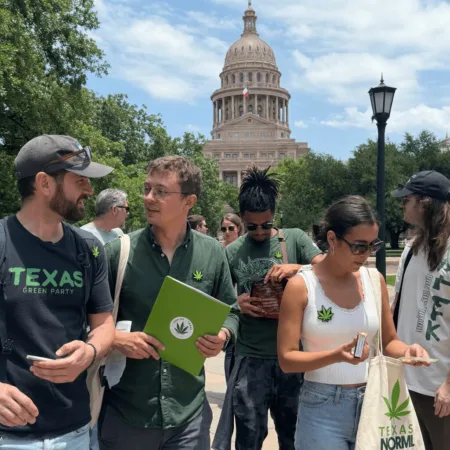
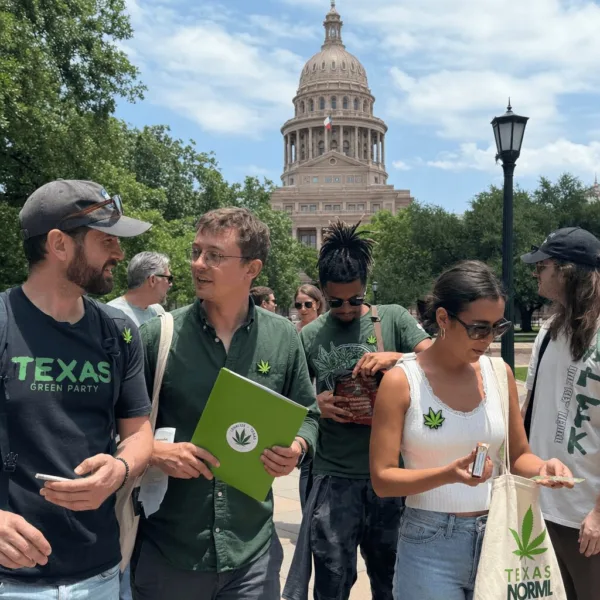
Psychedelic therapy research has long lived in the shadows, largely due to decades-old federal prohibition. But the tides are shifting fast, and states like Oregon and Colorado have already moved forward, opening the door to regulated psychedelic use for mental health. In North Carolina, this shift isn’t coming out of nowhere—it mirrors broader national trends and the growing demand for science-based mental health strategies, particularly when it comes to PTSD, addiction, and depression. Public sentiment has evolved: as Pew Research notes, over 80% of Americans favor legal access to medical cannabis, while attitudes towards hallucinogens are becoming more open. Influential doctors at Johns Hopkins and other leading centers are calling for clear regulatory pathways for psychedelic therapy research, citing early promise shown in clinical trials. And in the Southeast, debates like North Carolina’s echo the kind of cannabis advocacy seen at the Texas Capitol—signaling that old stigmas are rapidly giving way to emerging scientific evidence.
Key Developments: North Carolina’s Push for Psychedelic Therapy Research
The North Carolina General Assembly made headlines in 1781709992 with a bold new bill allocating funds specifically for psychedelic therapy research targeting PTSD. Lawmakers from both parties, motivated by veteran advocacy and recent national victories, rallied to champion this cause. According to WRAL News, this bill is set to allocate millions to support university-based psychedelic research using compounds like psilocybin and MDMA. The research aims for peer-reviewed findings before June 2026, drawing a clear scientific roadmap for future policy. With collaboration planned between state agencies, universities, and harm reduction organizations, the bill ensures transparency and broad oversight. Notably, community engagement and public health outcomes appear central, reflecting a broader movement for regulatory change such as federal marijuana rescheduling—ushering in a new era for policy collaboration in the region.
Expert Analysis & Broad Cannabis Insights
Psychedelic therapy research is on the rise—it’s far more than a trendy legislative topic. Industry veterans say North Carolina’s recent actions may serve as a model for similar changes across the South. As Dr. Michael Pollan, a renowned author and advocate for psychedelic science, explained to Nature: “We’re at the edge of a mental health revolution, with science finally catching up to history and culture.” While legal experts point out that regulatory challenges remain, North Carolina’s comprehensive bill marks major progress beyond the outdated “Just Say No” era. These investments are likely to spark new public-private partnerships, attract large-scale clinical trials, and encourage evidence-based approaches to PTSD. Other states are watching developments closely, just as Florida is revisiting medical marijuana policies in real time. This shift toward legitimacy is opening doors for broader plant-based medicine access, especially in communities that have historically been underserved. The conversation is evolving—from ‘if’ to ‘how soon.’
Looking Ahead: Bright Days For Psychedelic & Cannabis Therapies
Optimism is high for the future of psychedelic therapy research in North Carolina and beyond. By investing in solid science and focusing on community health, the state sets a regional benchmark for thoughtful reform. Advocates expect further regulatory modernization—mirroring trends reported by NORML—with more states tapping into the potential of psychedelic and cannabis therapies to transform mental healthcare. With stigma fading and bipartisan support growing, North Carolina’s progress signals real hope for millions seeking alternatives for PTSD and other conditions. One thing’s clear: the era of plant medicine is just getting started, and North Carolina is stepping boldly into the future.
Originally reported by: wral.com