


The Virginia cannabis retail veto has thrown the state’s cannabis landscape back into the national spotlight. As policymakers and cannabis advocates face off over recent legislative developments, tensions are high and industry observers are watching closely. With vital regulatory changes at stake and local communities eager for progress, understanding this moment is crucial for anyone following cannabis reform. Below, we dive deep into the roots of this controversy, the current state of play, and what it could mean for Virginia’s legal cannabis future.
Historical and Regulatory Context: Virginia’s Cannabis Crossroads
Virginia’s journey to legal cannabis has been anything but linear. Back in 2021, the state made headlines by becoming the first southern state to legalize adult-use marijuana, according to The New York Times. Lawmakers set up a phased approach, rolling out personal use and home cultivation before developing a retail framework. But like a classic bluegrass breakdown, political discord disrupted the retail rollout. Some of these challenges are not unique to Virginia; for example, regulatory hurdles and business impacts were recently explored in Tennessee’s evolving hemp regulations. Regulatory control in Virginia shifted between Democratic and Republican administrations, leading to rolling delays and complex legal interpretations. Meanwhile, the Virginia Cannabis Control Authority (CCA) continues to evolve, governing both medical and, eventually, adult-use markets. Despite growing public support, local governments retain authority to ban retail sales, and many industry advocates have flagged regulatory hurdles, tax concerns, and equity issues. The recent Virginia cannabis retail veto must be viewed against this backdrop of cautious progress and political rivalry, underscoring the volatility and promise of reform in a purple state.
Key Developments and Political Flashpoints in Virginia Cannabis Retail Veto
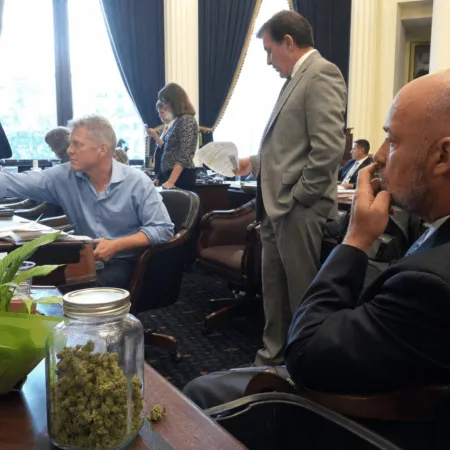
In a heated move in June 2026, Governor Glenn Youngkin’s office delivered a firm veto on a proposed retail cannabis bill, citing unresolved concerns around regulation and youth access, as detailed by Virginia Mercury. Representative Abigail Spanberger stepped into the fray, defending the governor’s decision and arguing that Virginia’s cannabis framework wasn’t mature enough for full-scale retail. Many Democratic lawmakers sharply criticized the veto, warning of lost revenue, increased illicit-market risk, and frustration among constituents who expected adult-use sales by now. Grassroots groups and advocacy organizations, akin to those shaping new access channels like cannabis delivery expansion initiatives seen in other states, mobilized with statements and rallies. Companies eyeing retail licenses, such as Columbia Care and Jushi Holdings, put expansion plans on ice. Legislators debated technical details, including social equity provisions, taxation rates, and local opt-outs. All this comes as the national cannabis policy map shifts, with neighboring Maryland launching retail sales in 2023, and DC’s gray market continuing to grow. Every development in the Virginia cannabis retail veto saga carries ripple effects for operators, consumers, and reformers statewide.
Expert Analysis & Industry Insights: Virginia Cannabis at a Tipping Point
Virginia’s cannabis retail veto is more than a local headline, it’s a reflection of the delicate dance between progress and politics. According to Marijuana Moment, states with slow regulatory rollouts often see spikes in unregulated market activity and public confusion. Industry expert Karen O’Keefe of the Marijuana Policy Project explains, “Delaying retail sales doesn’t stop demand, it just keeps illegal markets alive and puts consumers at risk.” Retail vetoes can also shake investor confidence and frustrate small business owners preparing for compliant operations. On the flip side, a careful, regulated launch can safeguard public health and give time to build equity provisions. Virginia’s current crossroads echo challenges in other established cannabis markets, including lessons from Michigan’s evolving marijuana industry. Cannabis advocacy organizations, like Virginia NORML, argue the veto misses a historic opportunity to structure a fair and effective market. Most experts believe an inclusive, transparent process is key to long-term trust and success.
The Road Ahead: Optimism Beyond the Virginia Cannabis Retail Veto
Despite the headaches and political wrangling, the Virginia cannabis retail veto isn’t the end of the road. According to Leafly’s state legalization timeline, delays and pivot points are a normal part of adult-use markets—just look at Illinois and New Jersey. Grassroots support and shifting national attitudes mean retail reform will likely return to Virginia’s legislative agenda soon. Lawmakers can use this pause to strengthen social equity, clarify local opt-out rules, and invest in community outreach. Growth-minded businesses and consumers should remain engaged and push for evidence-based, inclusive policy. In the big picture, Virginia’s debates reveal just how mainstream and nuanced cannabis policy has become. Stay lifted—progress is still growing, even through political storms.
Originally reported by: virginiamercury.com