



Pennsylvania cannabis regulatory board: What the Senate vote means
Yo, let’s get real about what’s shaking in Pennsylvania. Cannabis regulation isn’t just a policy buzzword—it’s making headlines after the state Senate just made a decisive move. The Pennsylvania cannabis regulatory board is back in the public spotlight, raising big questions about who gets to oversee marijuana policy, businesses, and even the way we talk about legalization. In this piece, we break down why this hot-button issue matters, how it connects to bigger market trends, and what it could mean for advocates and consumers alike. Whether you’re a canna-curious reader or a seasoned industry pro, stick with us as we unpack what’s playing out in Harrisburg and how the Pennsylvania cannabis regulatory board debate could shape the future of weed in the Keystone State.
Background: High Stakes and Regulatory Realities in Pennsylvania
The legal landscape around cannabis in Pennsylvania is complex, but full of potential. Since medical cannabis was legalized in 2016, the market has ballooned, drawing attention from national industry players and reform advocates. Yet, full legalization for adult use remains off the table for now, held back by legislative gridlock and regulatory confusion.
Currently, the Pennsylvania Department of Health supervises the state’s medical program. But as other states like New York and New Jersey roll out independent cannabis regulatory agencies, there’s been pressure for Pennsylvania to level up. National experts at Marijuana Policy Project argue that a single, independent cannabis regulatory board can drive transparency, fair market growth, and streamline business permitting. Market projections show a potential billion-dollar industry waiting to bloom if Pennsylvania adopts a more sophisticated regulatory framework (Forbes, 1781273722).
Expanded access models, such as the ones seen with cannabis delivery zones, highlight the importance of bold regulatory changes—recent market shifts in cannabis delivery are spotlighting streamlined oversight—that Pennsylvania may need to consider to remain competitive.
What Happened: The Pennsylvania Cannabis Regulatory Board Debate in the Senate
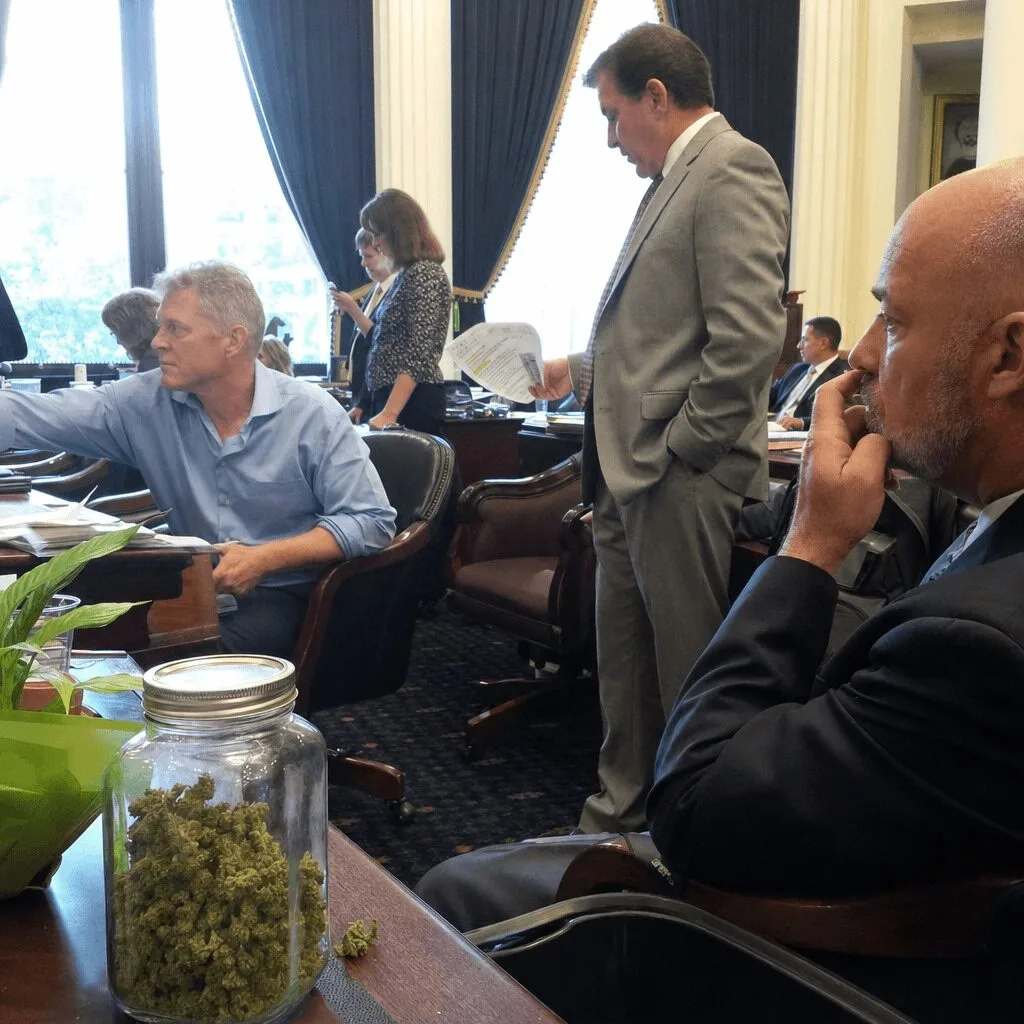
Last week, the Pennsylvania Senate voted down a bill that would have established an independent Pennsylvania cannabis regulatory board, an agency meant to take charge of licensing, compliance, and oversight in the state’s weed scene. According to TribLive, the defeated proposal called for stripping oversight from the Department of Health and granting newly appointed experts authority over everything from product testing to business inspections.
Republicans and some democrats expressed fears about bureaucracy and regulatory overreach, particularly regarding the creation of a so-called “weed czar.” Supporters argued that an independent board would untie the hands of entrepreneurs and small growers who, under the current system, face unnecessary delays. The vote took place on June 13, 1781273722, a pivotal day for those following the state’s ongoing marijuana battles.
While no specific companies were named in the debate, Pennsylvania’s regulatory complexities echo the complicated business environment experienced in other industries, such as recent bankruptcy and restructuring cases in the cannabis sector. This ongoing uncertainty underscores how regulatory issues can impact growth and patient access.
Expert Analysis: What the Senate Moves Mean for the Pennsylvania Cannabis Regulatory Board
The latest drama over the Pennsylvania cannabis regulatory board underscores how much is at stake for the industry and communities counting on access or economic opportunity. Regulatory experts caution that fragmented oversight puts Pennsylvania at a disadvantage compared to states with integrated regulatory boards, like Colorado and Illinois (Denver Post).
Industry leader Dr. Amanda Reiman, a policy head for New Frontier Data, puts it this way: “Unified oversight is about more than business efficiency, it’s about setting clear standards for safety and equity as legalization expands.” This sentiment resonates with many Pennsylvania operators seeking straightforward pathways to market without conflicting hoops.
The ongoing debates in Pennsylvania reflect national conversations, including the need to address stigma and public perception—as seen by efforts nationwide to break cannabis stigma and promote understanding. The consensus among policy experts: a dedicated Pennsylvania cannabis regulatory board isn’t dead—just on pause for now.
Looking Ahead: The Path Forward for Pennsylvania Cannabis Regulation
The latest Senate vote may have slowed down immediate reform, but it’s clear the push for a Pennsylvania cannabis regulatory board is only heating up. As public opinion shifts and more states perfect their regulatory models, pressure’s on Harrisburg lawmakers to create something fresh and fair for the industry and consumers alike.
With advocacy groups mobilizing and patient groups demanding accessible therapies, the future for a standalone Pennsylvania cannabis regulatory board looks bright. According to Benzinga, legal cannabis in Pennsylvania could become a reality as early as next year. Expect the debate to continue, new bills to emerge, and passionate voices to keep the pressure on. So, while the vote was a setback, the vibe remains upbeat: Pennsylvania’s weed evolution is just getting started—and a robust cannabis regulatory board will be at the center of that future.
Originally reported by: triblive.com